Breaking News
ताज़ा खबर
ताजी बातमी
সর্বশেষ সংবাদ
சமீபத்திய செய்தி
తాజా వార్త
તાજા સમાચાર
ਤਾਜ਼ਾ ਖ਼ਬਰ
Oil Hovers Above $100 as Geopolitical Tensions Simmer, Peace Efforts Stall
भू-राजनीतिक तनाव के बीच तेल $100 के पार, शांति प्रयासों में कोई बड़ी सफलता नहीं
भू-राजकीय तणावामुळे तेलाचे भाव $100 च्या वर, शांतता प्रयत्नांना यश नाही
ভূ-রাজনৈতিক উত্তেজনার মধ্যে তেলের দাম $১০০ ছাড়াল, শান্তি প্রচেষ্টায় নেই কোনও বড় অগ্রগতি
புவிசார் அரசியல் பதற்றங்களுக்கு மத்தியில் $100-க்கு மேல் எண்ணெய் விலை, அமைதி முயற்சிகளில் முன்னேற்றம் இல்லை
భూ-రాజకీయ ఉద్రిక్తతల మధ్య $100 మార్క్ దాటిన చమురు, శాంతి ప్రయత్నాల్లో పురోగతి లేదు
ભૌગોલિક રાજકીય તણાવ વચ્ચે તેલ $100 ની ઉપર, શાંતિ પ્રયાસોમાં કોઈ મોટી સફળતા નહીં
ਭੂ-ਰਾਜਨੀਤਿਕ ਤਣਾਅ ਦਰਮਿਆਨ ਤੇਲ $100 ਦੇ ਪਾਰ, ਸ਼ਾਂਤੀ ਯਤਨਾਂ ਵਿੱਚ ਕੋਈ ਵੱਡੀ ਸਫਲਤਾ ਨਹੀਂ
By AI News Desk
🕐 23 April 2026, 02:53 PM
💹 Finance
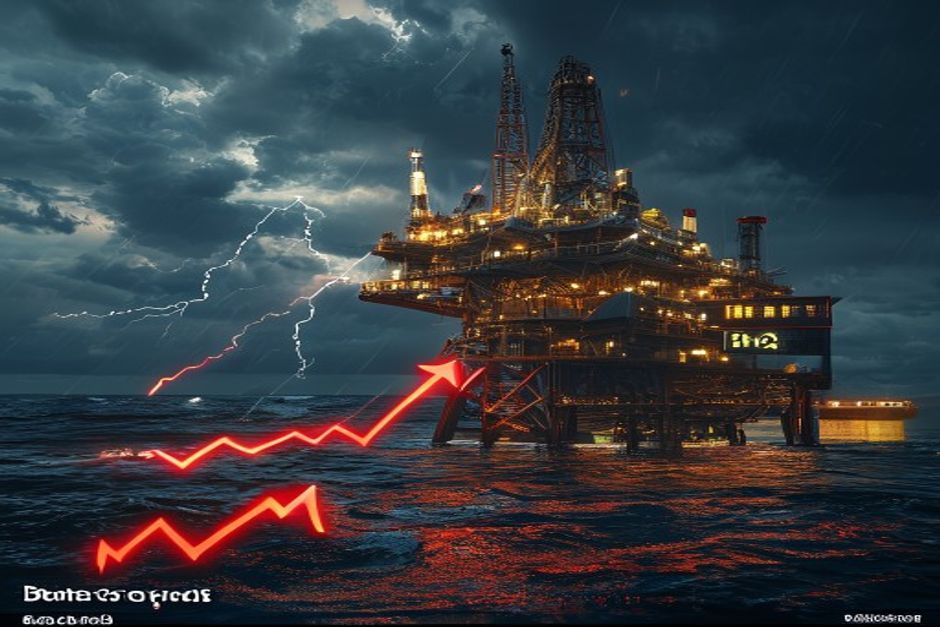
Global oil prices remained precariously perched above the $100 a barrel mark this week, reflecting persistent geopolitical anxieties and a lack of visible progress on de-escalation fronts. The fragile market sentiment is largely driven by ongoing international disputes and concerns over supply chain stability. Despite the elevated price point, which has implications for inflation and economic growth worldwide, there were no significant public announcements indicating a breakthrough in ongoing peace negotiations.
Market Reacts to Unsettled Geopolitical Landscape
The benchmark West Texas Intermediate (WTI) crude oil futures saw trading activity hover near critical resistance levels, while Brent crude, the international oil benchmark, also experienced similar price action. Analysts attribute this sustained high pricing to a confluence of factors, including the lingering effects of supply disruptions and the constant threat of further instability in key oil-producing regions. The lack of a clear path towards resolution in several international conflicts has investors on edge, prompting them to factor in a 'risk premium' into oil prices. This premium accounts for potential future supply interruptions.
Adding to the complex geopolitical picture, reports emerged regarding Iran's alleged maritime actions. In this context, the White House made it clear that the administration's stance on these reports does not suggest a violation of existing cease-fire agreements or de-escalation understandings. This statement, while aimed at clarifying the administration's stance, did little to quell the underlying market apprehension. The delicate balance of international relations means that even nuanced statements can have ripple effects across global financial markets.
The sustained high cost of oil continues to be a significant concern for economies around the globe. It directly impacts transportation costs, manufacturing expenses, and ultimately, consumer prices. As central banks grapple with rising inflation, the energy sector's price volatility presents an added challenge to achieving economic stability. The coming weeks will be crucial in observing whether diplomatic efforts can gain traction or if the market will continue to price in prolonged geopolitical uncertainty, keeping oil prices elevated.
इस सप्ताह वैश्विक तेल की कीमतें $100 प्रति बैरल के निशान से ऊपर बनी रहीं, जो लगातार भू-राजनीतिक चिंताओं और तनाव कम करने के मोर्चों पर प्रगति की कमी को दर्शाता है। बाजार की कमजोर भावना मुख्य रूप से चल रहे अंतरराष्ट्रीय विवादों और आपूर्ति श्रृंखला की स्थिरता को लेकर चिंताओं से प्रेरित है। ऊंचे मूल्य बिंदु के बावजूद, जिसका मुद्रास्फीति और दुनिया भर में आर्थिक विकास पर प्रभाव पड़ता है, शांति वार्ता में किसी बड़ी सफलता का संकेत देने वाली कोई महत्वपूर्ण सार्वजनिक घोषणा नहीं हुई थी।
बाजार अनसुलझे भू-राजनीतिक परिदृश्य पर प्रतिक्रिया करता है
वेस्ट टेक्सास इंटरमीडिएट (WTI) क्रूड ऑयल फ्यूचर्स ने महत्वपूर्ण प्रतिरोध स्तरों के पास ट्रेडिंग गतिविधि देखी, जबकि ब्रेंट क्रूड, अंतरराष्ट्रीय तेल बेंचमार्क, ने भी इसी तरह की मूल्य कार्रवाई का अनुभव किया। विश्लेषकों का मानना है कि आपूर्ति में व्यवधान के स्थायी प्रभाव और प्रमुख तेल उत्पादक क्षेत्रों में और अधिक अस्थिरता के लगातार खतरे के कारण यह निरंतर उच्च मूल्य निर्धारण हुआ है। कई अंतरराष्ट्रीय संघर्षों के समाधान के लिए एक स्पष्ट मार्ग की कमी निवेशकों को चिंतित कर रही है, जिससे वे तेल की कीमतों में 'जोखिम प्रीमियम' को शामिल करने के लिए प्रेरित हो रहे हैं। यह प्रीमियम संभावित भविष्य की आपूर्ति बाधाओं को ध्यान में रखता है।
जटिल भू-राजनीतिक तस्वीर में, ईरान की कथित समुद्री कार्रवाइयों को लेकर रिपोर्टें सामने आईं। इस संदर्भ में, व्हाइट हाउस ने स्पष्ट किया कि राष्ट्रपति ट्रम्प इन बताई गई जब्ती को किसी भी मौजूदा युद्धविराम समझौते या तनाव कम करने की समझ का उल्लंघन नहीं मानते हैं। यह बयान, हालांकि प्रशासन के रुख को स्पष्ट करने के उद्देश्य से था, बाजार की अंतर्निहित घबराहट को शांत करने में कुछ खास नहीं कर सका। अंतर्राष्ट्रीय संबंधों का नाजुक संतुलन का मतलब है कि सूक्ष्म बयान भी वैश्विक वित्तीय बाजारों पर प्रभाव डाल सकते हैं।
तेल की निरंतर उच्च लागत दुनिया भर की अर्थव्यवस्थाओं के लिए एक महत्वपूर्ण चिंता का विषय बनी हुई है। यह सीधे तौर पर परिवहन लागत, विनिर्माण व्यय और अंततः उपभोक्ता मूल्य को प्रभावित करता है। जैसे-जैसे केंद्रीय बैंक बढ़ती मुद्रास्फीति से जूझ रहे हैं, ऊर्जा क्षेत्र की मूल्य अस्थिरता आर्थिक स्थिरता प्राप्त करने के लिए एक अतिरिक्त चुनौती पेश करती है। यह देखने के लिए कि क्या राजनयिक प्रयास गति पकड़ सकते हैं या बाजार जारी भू-राजनीतिक अनिश्चितता को जारी रखेगा, जिससे तेल की कीमतें ऊँची बनी रहेंगी, आने वाले सप्ताह महत्वपूर्ण होंगे।
जागतिक तेल बाजारपेठेत या आठवड्यात किमती $100 प्रति बॅरलच्या वर स्थिरावल्या आहेत. हे भू-राजकीय तणाव आणि शांतता प्रयत्नांमधील प्रगतीच्या अभावाचे प्रतिबिंब आहे. बाजारातील ही अनिश्चितता प्रामुख्याने चालू असलेल्या आंतरराष्ट्रीय विवादामुळे आणि पुरवठा साखळीतील स्थिरतेच्या चिंतेमुळे निर्माण झाली आहे. तेलाच्या वाढत्या किमतींचा जागतिक महागाई आणि आर्थिक विकासावर परिणाम होण्याची शक्यता आहे, तरीही शांतता वाटाघाटींमध्ये कोणतीही ठोस प्रगती झाल्याची सार्वजनिक घोषणा झालेली नाही.
बाजारपेठ भू-राजकीय परिस्थितीवर प्रतिक्रिया देत आहे
वेस्ट टेक्सास इंटरमीडिएट (WTI) आणि ब्रेंट क्रूड या दोन्ही प्रमुख तेलाच्या बेंचमार्क्सच्या किमतीत चढ-उतार दिसून आले. विश्लेषकांच्या मते, पुरवठ्यातील व्यत्यय आणि प्रमुख तेल उत्पादक प्रदेशांमधील अस्थिरतेच्या सततच्या धोक्यामुळे तेलाच्या किमती उच्च पातळीवर टिकून आहेत. अनेक आंतरराष्ट्रीय संघर्षांवर तोडगा निघण्याची स्पष्ट चिन्हे नसल्यामुळे गुंतवणूकदार चिंतेत आहेत, ज्यामुळे तेलाच्या किमतींमध्ये 'जोखीम प्रीमियम' समाविष्ट केला जात आहे. हा प्रीमियम भविष्यातील संभाव्य पुरवठा व्यत्ययांना विचारात घेतो.
या गुंतागुंतीच्या भू-राजकीय परिस्थितीत, इराणच्या कथित सागरी कारवाईबद्दलही अहवाल समोर आले आहेत. या संदर्भात, व्हाईट हाऊसने स्पष्ट केले आहे की राष्ट्राध्यक्ष ट्रम्प या कथित जप्तींना कोणत्याही विद्यमान युद्धविराम कराराचे किंवा तणाव कमी करण्याच्या समजुतीचे उल्लंघन मानत नाहीत. हे विधान प्रशासनाची भूमिका स्पष्ट करण्याचा उद्देश ठेवत असले तरी, बाजारातील चिंतेचे वातावरण कमी करण्यात फारसा उपयोग झाला नाही. आंतरराष्ट्रीय संबंधांचे नाजूक संतुलन हे दर्शवते की अगदी सामान्य विधानांचेही जागतिक वित्तीय बाजारांवर दूरगामी परिणाम होऊ शकतात.
तेलाच्या या सातत्याने वाढणाऱ्या किमती जगभरातील अर्थव्यवस्थांसाठी चिंतेचा विषय बनल्या आहेत. याचा थेट परिणाम वाहतूक खर्च, उत्पादन खर्च आणि अंतिम ग्राहक किमतींवर होतो. वाढत्या महागाईचा सामना करत असलेल्या मध्यवर्ती बँकांसाठी, ऊर्जा क्षेत्रातील किमतींमधील अस्थिरता आर्थिक स्थिरता प्राप्त करण्यासाठी एक अतिरिक्त आव्हान आहे. पुढील आठवड्यात हे पाहणे महत्त्वाचे ठरेल की राजनैतिक प्रयत्नांना यश मिळते की बाजारपेठ भू-राजकीय अनिश्चिततेच्या पार्श्वभूमीवर तेलाच्या वाढत्या किमती कायम ठेवते.
বিশ্ব বাজারে অপরিশোধিত তেলের দাম প্রতি ব্যারেল $১০০ ছাড়িয়ে গেছে, যা চলমান ভূ-রাজনৈতিক উদ্বেগ এবং উত্তেজনা হ্রাসের প্রচেষ্টায় অগ্রগতির অভাবকে প্রতিফলিত করছে। বাজারের এই অস্থিরতা মূলত আন্তর্জাতিক বিরোধ এবং সরবরাহ শৃঙ্খলার স্থিতিশীলতা নিয়ে উদ্বেগের দ্বারা চালিত। তেলের উচ্চ মূল্যের প্রভাব বিশ্বব্যাপী মুদ্রাস্ফীতি এবং অর্থনৈতিক প্রবৃদ্ধির উপর পড়বে, তবে শান্তি আলোচনায় কোনও বড় সাফল্যের ইঙ্গিত দিয়ে কোনও উল্লেখযোগ্য জনসমক্ষে ঘোষণা আসেনি।
বাজার ভূ-রাজনৈতিক পরিস্থিতি নিয়ে উদ্বিগ্ন
ওয়েস্ট টেক্সাস ইন্টারমিডিয়েট (WTI) এবং ব্রেন্ট ক্রুডের মতো প্রধান তেলের বেঞ্চমার্কগুলির দামে অনুরূপ প্রবণতা দেখা গেছে। বিশ্লেষকদের মতে, সরবরাহ ব্যাহত হওয়ার দীর্ঘস্থায়ী প্রভাব এবং প্রধান তেল উৎপাদনকারী অঞ্চলগুলিতে আরও অস্থিরতার ক্রমাগত হুমকির কারণে তেলের দাম এই উচ্চ স্তরে রয়েছে। বেশ কয়েকটি আন্তর্জাতিক সংঘাতের সমাধানে কোনও স্পষ্ট পথ না থাকায় বিনিয়োগকারীরা উদ্বিগ্ন, যার ফলে তারা তেলের দামে 'ঝুঁকি প্রিমিয়াম' যুক্ত করছে। এই প্রিমিয়াম ভবিষ্যতের সম্ভাব্য সরবরাহ বাধাগুলি বিবেচনা করে।
এই জটিল ভূ-রাজনৈতিক পরিস্থিতিতে, ইরানের কথিত সামুদ্রিক কার্যকলাপ নিয়েও প্রতিবেদন প্রকাশিত হয়েছে। এই বিষয়ে, হোয়াইট হাউস স্পষ্ট করেছে যে প্রেসিডেন্ট ট্রাম্প এই ধরনের কোনও Reported আটককে কোনও বিদ্যমান যুদ্ধবিরতি চুক্তি বা উত্তেজনা হ্রাস সংক্রান্ত বোঝাপড়ার লঙ্ঘন হিসাবে দেখছেন না। যদিও এই বিবৃতি প্রশাসনের অবস্থান স্পষ্ট করার উদ্দেশ্যে দেওয়া হয়েছিল, এটি বাজারের অন্তর্নিহিত উদ্বেগ কমাতে তেমন ভূমিকা রাখেনি। আন্তর্জাতিক সম্পর্কের সূক্ষ্ম ভারসাম্য বোঝায় যে সাধারণ বিবৃতিগুলিও বিশ্বব্যাপী আর্থিক বাজারে প্রভাব ফেলতে পারে।
তেলের এই ধারাবাহিক উচ্চ মূল্য বিশ্বজুড়ে অর্থনীতিগুলির জন্য একটি বড় উদ্বেগের কারণ হয়ে দাঁড়িয়েছে। এটি সরাসরি পরিবহন ব্যয়, উৎপাদন খরচ এবং শেষ পর্যন্ত ভোক্তা মূল্যকে প্রভাবিত করে। কেন্দ্রীয় ব্যাংকগুলি যখন ক্রমবর্ধমান মুদ্রাস্ফীতির মোকাবিলা করছে, তখন জ্বালানি খাতের মূল্যের অস্থিরতা অর্থনৈতিক স্থিতিশীলতা অর্জনের পথে একটি অতিরিক্ত বাধা তৈরি করেছে। আগামী সপ্তাহগুলি পর্যবেক্ষণ করা গুরুত্বপূর্ণ হবে যে কূটনৈতিক প্রচেষ্টা গতি পায় কিনা, অথবা বাজার দীর্ঘস্থায়ী ভূ-রাজনৈতিক অনিশ্চয়তার কারণে তেলের উচ্চ মূল্য বজায় রাখে কিনা।
உலகளாவிய எண்ணெய் விலை இந்த வாரம் ஒரு பீப்பாய் $100-க்கு மேல் நீடித்தது, இது தொடர்ச்சியான புவிசார் அரசியல் கவலைகளையும், பதற்றத்தைக் குறைக்கும் முயற்சிகளில் முன்னேற்றம் இல்லாததையும் பிரதிபலிக்கிறது. சந்தையின் இந்த நிலையற்ற தன்மை, முக்கியமாக நடந்து வரும் சர்வதேச மோதல்களாலும், விநியோகச் சங்கிலி ஸ்திரத்தன்மை குறித்த கவலைகளாலும் தூண்டப்படுகிறது. உயர்ந்த விலை, பணவீக்கம் மற்றும் உலகளாவிய பொருளாதார வளர்ச்சியைப் பாதிக்கும் என்றாலும், அமைதிப் பேச்சுவார்த்தைகளில் குறிப்பிடத்தக்க முன்னேற்றம் ஏற்பட்டதாக எந்தவொரு பொது அறிவிப்பும் இல்லை.
சந்தை புவிசார் அரசியல் சூழ்நிலையால் பாதிக்கப்பட்டுள்ளது
மேற்கத்திய டெக்சாஸ் இன்டர்மீடியட் (WTI) மற்றும் பிரெண்ட் கச்சா எண்ணெய் ஆகியவற்றின் எதிர்கால வர்த்தகத்தில் முக்கிய எதிர்ப்பு நிலைகளுக்கு அருகில் வர்த்தகம் காணப்பட்டது. விநியோகத் தடைகளின் நீடித்த விளைவுகள் மற்றும் முக்கிய எண்ணெய் உற்பத்திப் பிராந்தியங்களில் மேலும் ஸ்திரமின்மை ஏற்படும் தொடர்ச்சியான அச்சுறுத்தல்கள் காரணமாக விலைகள் உயர்வாக இருப்பதாக ஆய்வாளர்கள் கூறுகின்றனர். பல சர்வதேச மோதல்களைத் தீர்ப்பதற்கான தெளிவான பாதை இல்லாததால், முதலீட்டாளர்கள் கவலையடைந்துள்ளனர், இது எண்ணெய் விலைகளில் 'ஆபத்துக் கட்டணத்தை' சேர்க்கத் தூண்டுகிறது. இந்த கட்டணம் எதிர்கால விநியோகத் தடைகளைக் கருத்தில் கொள்கிறது.
இந்த சிக்கலான புவிசார் அரசியல் சூழ்நிலையில், ஈரானின் கடல்சார் நடவடிக்கைகள் குறித்த அறிக்கைகளும் வெளிவந்துள்ளன. இந்தச் சூழலில், அதிபர் டிரம்ப் இந்தத் தெரிவிக்கப்பட்ட பறிமுதல்களை எந்தவொரு தற்போதைய போர்நிறுத்த ஒப்பந்தத்தையும் அல்லது பதற்றத்தைக் குறைக்கும் புரிதலையும் மீறுவதாகக் கருதவில்லை என்று வெள்ளை மாளிகை தெளிவுபடுத்தியுள்ளது. இந்த அறிக்கை, நிர்வாகத்தின் நிலைப்பாட்டை தெளிவுபடுத்தும் நோக்கம் கொண்டது என்றாலும், சந்தையின் அடிப்படை கவலையைக் குறைக்க உதவவில்லை. சர்வதேச உறவுகளின் நுட்பமான சமநிலை, நுணுக்கமான அறிக்கைகள் கூட உலகளாவிய நிதிச் சந்தைகளில் தாக்கத்தை ஏற்படுத்தும் என்பதைக் குறிக்கிறது.
எண்ணெயின் தொடர்ச்சியான உயர் விலை உலகெங்கிலும் உள்ள பொருளாதாரங்களுக்கு ஒரு குறிப்பிடத்தக்க கவலையாக உள்ளது. இது போக்குவரத்துச் செலவுகள், உற்பத்திச் செலவுகள் மற்றும் இறுதியாக நுகர்வோர் விலைகளை நேரடியாகப் பாதிக்கிறது. மத்திய வங்கிகள் அதிகரித்து வரும் பணவீக்கத்துடன் போராடும்போது, எரிசக்தித் துறையின் விலை ஏற்ற இறக்கம் பொருளாதார ஸ்திரத்தன்மையை அடைவதில் ஒரு கூடுதல் சவாலாக உள்ளது. இராஜதந்திர முயற்சிகள் வேகம் பெறுமா அல்லது சந்தை நீண்டகால புவிசார் அரசியல் நிச்சயமற்ற தன்மையின் காரணமாக எண்ணெய் விலைகள் உயர்வாக இருக்குமா என்பதைக் கண்காணிக்க வரும் வாரங்கள் முக்கியமானதாக இருக்கும்.
ప్రపంచ చమురు ధరలు ఈ వారం బ్యారెల్కు $100 మార్క్ పైన కదిలాయి, ఇది నిరంతర భూ-రాజకీయ ఆందోళనలు మరియు ఉద్రిక్తతలను తగ్గించే ప్రయత్నాలలో స్పష్టమైన పురోగతి లేకపోవడాన్ని ప్రతిబింబిస్తుంది. మార్కెట్ యొక్క ఈ సందిగ్ధత ప్రధానంగా కొనసాగుతున్న అంతర్జాతీయ వివాదాలు మరియు సరఫరా గొలుసు స్థిరత్వంపై ఆందోళనల వల్ల నడపబడుతోంది. అధిక ధరలు ద్రవ్యోల్బణం మరియు ప్రపంచ ఆర్థిక వృద్ధిపై ప్రభావం చూపుతున్నప్పటికీ, శాంతి చర్చలలో గణనీయమైన పురోగతిని సూచించే బహిరంగ ప్రకటనలు ఏవీ రాలేదు.
మార్కెట్ అస్పష్టమైన భూ-రాజకీయ దృష్టాంతాన్ని పరిశీలిస్తోంది
వెస్ట్ టెక్సాస్ ఇంటర్మీడియట్ (WTI) మరియు బ్రెంట్ క్రూడ్ వంటి ప్రధాన చమురు బెంచ్మార్క్లు కీలక నిరోధక స్థాయిల వద్ద ట్రేడింగ్ కార్యకలాపాలను చూశాయి. సరఫరా అంతరాయాల దీర్ఘకాలిక ప్రభావాలు మరియు కీలక చమురు ఉత్పత్తి ప్రాంతాలలో మరిన్ని అస్థిరత ఏర్పడే నిరంతర ముప్పు కారణంగా ధరలు అధిక స్థాయిలో ఉన్నాయని విశ్లేషకులు పేర్కొంటున్నారు. అనేక అంతర్జాతీయ సంఘర్షణల పరిష్కారానికి స్పష్టమైన మార్గం లేకపోవడంతో, పెట్టుబడిదారులు ఆందోళన చెందుతున్నారు, ఇది చమురు ధరలలో 'రిస్క్ ప్రీమియం'ను జోడించడానికి దారితీస్తుంది. ఈ ప్రీమియం భవిష్యత్ సరఫరా అంతరాయాలను పరిగణనలోకి తీసుకుంటుంది.
ఈ సంక్లిష్ట భూ-రాజకీయ దృష్టాంతానికి, ఇరాన్ యొక్క ఆరోపణలు ఎదుర్కొన్న సముద్ర కార్యకలాపాలపై నివేదికలు కూడా వెలువడ్డాయి. ఈ నేపథ్యంలో, ఈ నివేదించబడిన స్వాధీనాలు ప్రస్తుత యుద్ధవిరామ ఒప్పందాన్ని లేదా ఉద్రిక్తతలను తగ్గించే అవగాహనను ఉల్లంఘించినట్లుగా అధ్యక్షుడు ట్రంప్ పరిగణించడం లేదని వైట్ హౌస్ స్పష్టం చేసింది. ఈ ప్రకటన, పరిపాలన యొక్క వైఖరిని స్పష్టం చేసే లక్ష్యంతో ఉన్నప్పటికీ, మార్కెట్ యొక్క అంతర్లీన ఆందోళనను తగ్గించడంలో పెద్దగా సహాయపడలేదు. అంతర్జాతీయ సంబంధాల సున్నితమైన సమతుల్యత, సూక్ష్మమైన ప్రకటనలు కూడా ప్రపంచ ఆర్థిక మార్కెట్లపై ప్రభావం చూపుతాయని సూచిస్తుంది.
చమురు యొక్క ఈ నిరంతర అధిక ధర ప్రపంచవ్యాప్తంగా ఉన్న ఆర్థిక వ్యవస్థలకు ఒక ముఖ్యమైన ఆందోళనగా మిగిలిపోయింది. ఇది నేరుగా రవాణా ఖర్చులు, తయారీ వ్యయాలు మరియు అంతిమంగా వినియోగదారుల ధరలను ప్రభావితం చేస్తుంది. పెరుగుతున్న ద్రవ్యోల్బణంతో కేంద్ర బ్యాంకులు పోరాడుతున్నందున, ఇంధన రంగం యొక్క ధరల అస్థిరత ఆర్థిక స్థిరత్వాన్ని సాధించడంలో అదనపు సవాలును అందిస్తుంది. దౌత్యపరమైన ప్రయత్నాలు ఊపందుకుంటాయా లేదా మార్కెట్ దీర్ఘకాలిక భూ-రాజకీయ అనిశ్చితి కారణంగా అధిక చమురు ధరలను కొనసాగిస్తుందా అని గమనించడానికి రాబోయే వారాలు కీలకం.
વૈશ્વિક તેલના ભાવ આ અઠવાડિયે બેરલ દીઠ $100 થી ઉપર રહ્યા હતા, જે સતત ભૌગોલિક રાજકીય ચિંતાઓ અને તણાવ ઘટાડવાના પ્રયાસોમાં પ્રગતિના અભાવને પ્રતિબિંબિત કરે છે. બજારની આ અસ્થિરતા મુખ્યત્વે ચાલી રહેલા આંતરરાષ્ટ્રીય વિવાદો અને સપ્લાય ચેઇનની સ્થિરતા અંગેની ચિંતાઓને કારણે છે. ઊંચા ભાવનો ફુગાવા અને વૈશ્વિક આર્થિક વૃદ્ધિ પર અસર થવાની શક્યતા છે, તેમ છતાં શાંતિ વાટાઘાટોમાં કોઈ મોટી સફળતા સૂચવતી કોઈ જાહેર જાહેરાત થઈ નથી.
બજાર ભૌગોલિક રાજકીય પરિસ્થિતિ પર પ્રતિક્રિયા આપે છે
વેસ્ટ ટેક્સાસ ઇન્ટરમીડિયેટ (WTI) અને બ્રેન્ટ ક્રૂડ જેવા મુખ્ય તેલ બેન્ચમાર્ક્સમાં સમાન ભાવ જોવા મળ્યા હતા. વિશ્લેષકોના મતે, પુરવઠામાં વિક્ષેપના કાયમી પ્રભાવો અને મુખ્ય તેલ ઉત્પાદક પ્રદેશોમાં વધુ અસ્થિરતાના સતત ભયને કારણે ભાવ ઊંચા સ્તરે ટકી રહ્યા છે. અનેક આંતરરાષ્ટ્રીય સંઘર્ષોના સમાધાન માટે કોઈ સ્પષ્ટ માર્ગ ન હોવાથી, રોકાણકારો ચિંતિત છે, જેના કારણે તેઓ તેલના ભાવમાં 'રિસ્ક પ્રીમિયમ' ઉમેરી રહ્યા છે. આ પ્રીમિયમ ભવિષ્યના સંભવિત પુરવઠા વિક્ષેપોને ધ્યાનમાં લે છે.
આ જટિલ ભૌગોલિક રાજકીય પરિસ્થિતિમાં, ઈરાનના કથિત દરિયાઈ કાર્યવાહી અંગેના અહેવાલો પણ સામે આવ્યા છે. આ સંદર્ભમાં, વ્હાઇટ હાઉસે સ્પષ્ટ કર્યું છે કે રાષ્ટ્રપતિ ટ્રમ્પ આ રિપોર્ટેડ જપ્તીઓને કોઈપણ હાલના યુદ્ધવિરામ કરાર અથવા તણાવ ઘટાડવાની સમજણનું ઉલ્લંઘન માનતા નથી. આ નિવેદન, વહીવટીતંત્રના વલણને સ્પષ્ટ કરવાના હેતુથી કરવામાં આવ્યું હોવા છતાં, બજારની અંતર્ગત ચિંતા ઘટાડવામાં બહુ મદદ કરી નથી. આંતરરાષ્ટ્રીય સંબંધોનું સૂક્ષ્મ સંતુલન સૂચવે છે કે સામાન્ય નિવેદનો પણ વૈશ્વિક નાણાકીય બજારો પર અસર કરી શકે છે.
તેલની આ સતત ઊંચી કિંમત વિશ્વભરના અર્થતંત્રો માટે એક મોટી ચિંતાનો વિષય બની રહી છે. તે સીધી રીતે પરિવહન ખર્ચ, ઉત્પાદન ખર્ચ અને આખરે ગ્રાહક ભાવને અસર કરે છે. જેમ જેમ કેન્દ્રીય બેંકો વધતી મોંઘવારી સામે ઝઝૂમી રહી છે, તેમ ઊર્જા ક્ષેત્રની ભાવની અસ્થિરતા આર્થિક સ્થિરતા પ્રાપ્ત કરવામાં વધારાનો પડકાર ઊભો કરે છે. આગામી સપ્તાહોમાં રાજદ્વારી પ્રયાસો વેગ પકડશે કે બજાર લાંબા ગાળાની ભૌગોલિક રાજકીય અનિશ્ચિતતાને કારણે ઊંચા તેલના ભાવ જાળવી રાખશે તે જોવું નિર્ણાયક રહેશે.
ਵਿਸ਼ਵਵਿਆਪੀ ਤੇਲ ਦੀਆਂ ਕੀਮਤਾਂ ਇਸ ਹਫ਼ਤੇ $100 ਪ੍ਰਤੀ ਬੈਰਲ ਦੇ ਨਿਸ਼ਾਨ ਤੋਂ ਉੱਪਰ ਰਹੀਆਂ, ਜੋ ਲਗਾਤ ਲਗਾਤਾਰ ਭੂ-ਰਾਜਨੀਤਿਕ ਚਿੰਤਾਵਾਂ ਅਤੇ ਤਣਾਅ ਘਟਾਉਣ ਦੇ ਮੋਰਚਿਆਂ 'ਤੇ ਕੋਈ ਸਪੱਸ਼ਟ ਤਰੱਕੀ ਨਾ ਹੋਣ ਨੂੰ ਦਰਸਾਉਂਦੀਆਂ ਹਨ। ਬਾਜ਼ਾਰ ਦੀ ਇਹ ਅਸਥਿਰਤਾ ਮੁੱਖ ਤੌਰ 'ਤੇ ਚੱਲ ਰਹੇ ਅੰਤਰਰਾਸ਼ਟਰੀ ਵਿਵਾਦਾਂ ਅਤੇ ਸਪਲਾਈ ਚੇਨ ਦੀ ਸਥਿਰਤਾ ਬਾਰੇ ਚਿੰਤਾਵਾਂ ਕਾਰਨ ਹੈ। ਉੱਚ ਕੀਮਤਾਂ ਦਾ ਮਹਿੰਗਾਈ ਅਤੇ ਵਿਸ਼ਵਵਿਆਪੀ ਆਰਥਿਕ ਵਿਕਾਸ 'ਤੇ ਅਸਰ ਪਵੇਗਾ, ਪਰ ਸ਼ਾਂਤੀ ਵਾਰਤਾਵਾਂ ਵਿੱਚ ਕੋਈ ਮਹੱਤਵਪੂਰਨ ਸਫਲਤਾ ਦਾ ਸੰਕੇਤ ਦੇਣ ਵਾਲੀ ਕੋਈ ਜਨਤਕ ਘੋਸ਼ਣਾ ਨਹੀਂ ਹੋਈ ਹੈ।
ਬਾਜ਼ਾਰ ਅਸਪਸ਼ਟ ਭੂ-ਰਾਜਨੀਤਿਕ ਦ੍ਰਿਸ਼ 'ਤੇ ਪ੍ਰਤੀਕਿਰਿਆ ਕਰ ਰਿਹਾ ਹੈ
ਵੈਸਟ ਟੈਕਸਾਸ ਇੰਟਰਮੀਡੀਏਟ (WTI) ਅਤੇ ਬ੍ਰੈਂਟ ਕਰੂਡ ਵਰਗੇ ਪ੍ਰਮੁੱਖ ਤੇਲ ਬੈਂਚਮਾਰਕਾਂ ਵਿੱਚ ਸਮਾਨ ਕੀਮਤਾਂ ਦੇ ਰੁਝਾਨ ਦੇਖੇ ਗਏ। ਵਿਸ਼ਲੇਸ਼ਕਾਂ ਦਾ ਕਹਿਣਾ ਹੈ ਕਿ ਸਪਲਾਈ ਵਿੱਚ ਰੁਕਾਵਟਾਂ ਦੇ ਲੰਬੇ ਸਮੇਂ ਦੇ ਪ੍ਰਭਾਵਾਂ ਅਤੇ ਮੁੱਖ ਤੇਲ ਉਤਪਾਦਕ ਖੇਤਰਾਂ ਵਿੱਚ ਹੋਰ ਅਸਥਿਰਤਾ ਦੇ ਲਗਾਤਾਰ ਖਤਰੇ ਕਾਰਨ ਕੀਮਤਾਂ ਉੱਚ ਪੱਧਰ 'ਤੇ ਬਣੀਆਂ ਹੋਈਆਂ ਹਨ। ਕਈ ਅੰਤਰਰਾਸ਼ਟਰੀ ਸੰਘਰਸ਼ਾਂ ਦੇ ਹੱਲ ਲਈ ਕੋਈ ਸਪੱਸ਼ਟ ਮਾਰਗ ਨਾ ਹੋਣ ਕਾਰਨ, ਨਿਵੇਸ਼ਕ ਚਿੰਤਤ ਹਨ, ਜਿਸ ਕਾਰਨ ਉਹ ਤੇਲ ਦੀਆਂ ਕੀਮਤਾਂ ਵਿੱਚ 'ਰਿਸਕ ਪ੍ਰੀਮੀਅਮ' ਸ਼ਾਮਲ ਕਰ ਰਹੇ ਹਨ। ਇਹ ਪ੍ਰੀਮੀਅਮ ਭਵਿੱਖ ਵਿੱਚ ਸੰਭਾਵੀ ਸਪਲਾਈ ਰੁਕਾਵਟਾਂ ਨੂੰ ਧਿਆਨ ਵਿੱਚ ਰੱਖਦਾ ਹੈ।
ਇਸ ਗੁੰਝਲਦਾਰ ਭੂ-ਰਾਜਨੀਤਿਕ ਸਥਿਤੀ ਵਿੱਚ, ਈਰਾਨ ਦੀ ਕਥਿਤ ਸਮੁੰਦਰੀ ਕਾਰਵਾਈਆਂ ਬਾਰੇ ਵੀ ਰਿਪੋਰਟਾਂ ਸਾਹਮਣੇ ਆਈਆਂ ਹਨ। ਇਸ ਸੰਦਰਭ ਵਿੱਚ, ਵ੍ਹਾਈਟ ਹਾਊਸ ਨੇ ਸਪੱਸ਼ਟ ਕੀਤਾ ਹੈ ਕਿ ਰਾਸ਼ਟਰਪਤੀ ਟਰੰਪ ਇਨ੍ਹਾਂ ਰਿਪੋਰਟ ਕੀਤੀਆਂ ਜ਼ਬਤੀਆਂ ਨੂੰ ਕਿਸੇ ਵੀ ਮੌਜੂਦਾ ਜੰਗਬੰਦੀ ਸਮਝੌਤੇ ਜਾਂ ਤਣਾਅ ਘਟਾਉਣ ਦੀ ਸਮਝ ਦੀ ਉਲੰਘਣਾ ਨਹੀਂ ਮੰਨਦੇ। ਭਾਵੇਂ ਇਹ ਬਿਆਨ ਪ੍ਰਸ਼ਾਸਨ ਦੇ ਰੁਖ ਨੂੰ ਸਪੱਸ਼ਟ ਕਰਨ ਦੇ ਉਦੇਸ਼ ਨਾਲ ਦਿੱਤਾ ਗਿਆ ਸੀ, ਇਸ ਨੇ ਬਾਜ਼ਾਰ ਦੀ ਅੰਦਰੂਨੀ ਚਿੰਤਾ ਨੂੰ ਘਟਾਉਣ ਵਿੱਚ ਕੋਈ ਵੱਡੀ ਭੂਮਿਕਾ ਨਹੀਂ ਨਿਭਾਈ। ਅੰਤਰਰਾਸ਼ਟਰੀ ਸਬੰਧਾਂ ਦਾ ਸੰਵੇਦਨਸ਼ੀਲ ਸੰਤੁਲਨ ਇਹ ਦਰਸਾਉਂਦਾ ਹੈ ਕਿ ਸੂਖਮ ਬਿਆਨ ਵੀ ਵਿਸ਼ਵ ਵਿੱਤੀ ਬਾਜ਼ਾਰਾਂ 'ਤੇ ਪ੍ਰਭਾਵ ਪਾ ਸਕਦੇ ਹਨ।
ਤੇਲ ਦੀ ਇਹ ਲਗਾਤਾਰ ਉੱਚ ਕੀਮਤ ਦੁਨੀਆ ਭਰ ਦੀਆਂ ਆਰਥਿਕਤਾਵਾਂ ਲਈ ਇੱਕ ਮਹੱਤਵਪੂਰਨ ਚਿੰਤਾ ਦਾ ਵਿਸ਼ਾ ਬਣੀ ਹੋਈ ਹੈ। ਇਹ ਸਿੱਧੇ ਤੌਰ 'ਤੇ ਆਵਾਜਾਈ ਖਰਚਿਆਂ, ਨਿਰਮਾਣ ਲਾਗਤਾਂ ਅਤੇ ਅੰਤ ਵਿੱਚ ਖਪਤਕਾਰਾਂ ਦੀਆਂ ਕੀਮਤਾਂ ਨੂੰ ਪ੍ਰਭਾਵਿਤ ਕਰਦਾ ਹੈ। ਜਿਵੇਂ-ਜਿਵੇਂ ਕੇਂਦਰੀ ਬੈਂਕ ਵੱਧ ਰਹੀ ਮਹਿੰਗਾਈ ਨਾਲ ਜੂਝ ਰਹੇ ਹਨ, ਊਰਜਾ ਖੇਤਰ ਦੀਆਂ ਕੀਮਤਾਂ ਦੀ ਅਸਥਿਰਤਾ ਆਰਥਿਕ ਸਥਿਰਤਾ ਪ੍ਰਾਪਤ ਕਰਨ ਵਿੱਚ ਇੱਕ ਵਾਧੂ ਚੁਣੌਤੀ ਪੇਸ਼ ਕਰਦੀ ਹੈ। ਆਉਣ ਵਾਲੇ ਹਫ਼ਤੇ ਇਹ ਦੇਖਣ ਲਈ ਅਹਿਮ ਹੋਣਗੇ ਕਿ ਕੀ ਕੂਟਨੀਤਕ ਯਤਨ ਤੇਜ਼ੀ ਫੜਦੇ ਹਨ ਜਾਂ ਬਾਜ਼ਾਰ ਲੰਬੇ ਸਮੇਂ ਦੀ ਭੂ-ਰਾਜਨੀਤਿਕ ਅਨਿਸ਼ਚਿਤਤਾ ਕਾਰਨ ਤੇਲ ਦੀਆਂ ਉੱਚੀਆਂ ਕੀਮਤਾਂ ਨੂੰ ਜਾਰੀ ਰੱਖਦਾ ਹੈ।

💬 Comments