Breaking News
ताज़ा खबर
Iranian Attack Damages Crucial Kuwaiti Power and Desalination Plant Amid Escalating Conflict
ईरानी हमले से कुवैत का महत्वपूर्ण बिजली और विलवणीकरण संयंत्र क्षतिग्रस्त, संघर्ष बढ़ा
By AI News Desk
🕐 05 April 2026, 04:02 PM
🕐 05 April 2026, 16:02
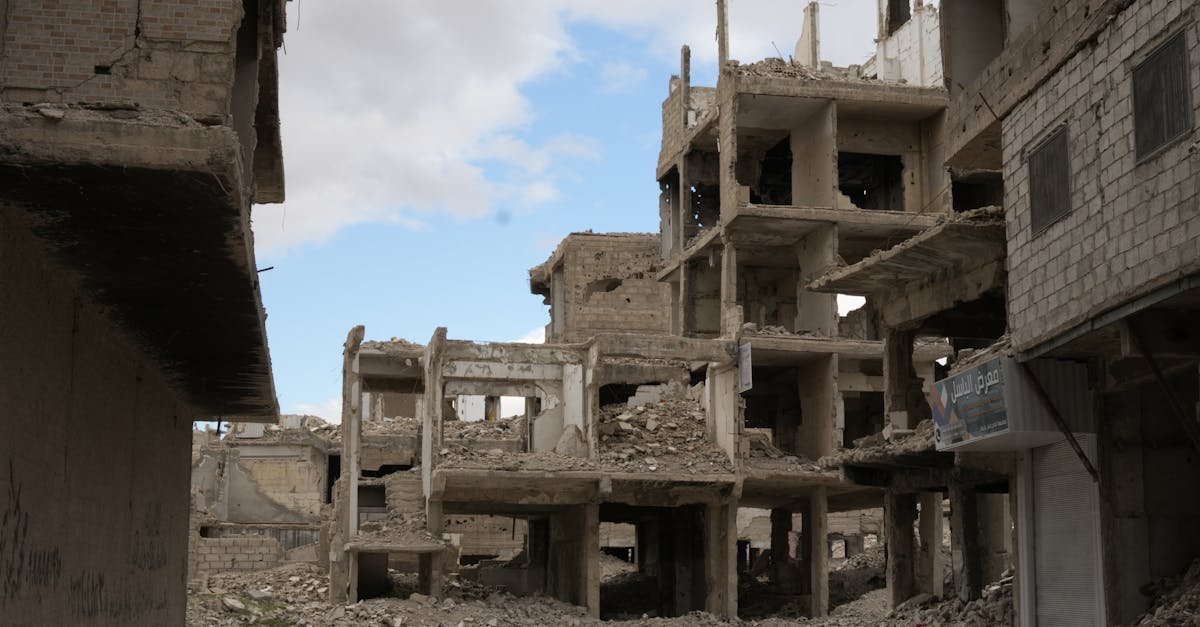
The recent escalation in the ongoing Iran war has taken a concerning turn with an Iranian attack on Friday causing significant damage to a vital power and water desalination plant in Kuwait, according to official reports. This incident underscores a worrying trend where both parties involved in the conflict are increasingly targeting civilian infrastructure, a move that could have dire humanitarian consequences and further destabilize the region, raising alarm bells across the international community.
Escalating Attacks on Civilian Infrastructure
The strike on Kuwait's crucial facility highlights a dangerous shift in military strategy, moving beyond purely military targets. Power and water desalination plants are indispensable for the daily lives of millions, providing essential utilities for homes, hospitals, and businesses. Damaging such infrastructure not only disrupts critical services but can also lead to widespread hardship, health crises, and economic paralysis in the affected areas. Officials in Kuwait have swiftly condemned the attack, emphasizing the indiscriminate nature of targeting non-military installations and the potential for a humanitarian catastrophe. The attack has drawn sharp criticism from various international bodies, which reiterate the importance of protecting civilian infrastructure during armed conflicts.
Analysts suggest that the deliberate targeting of civilian assets aims to exert maximum pressure on the adversary, crippling their ability to sustain war efforts or simply to inflict a high cost on the population. Such tactics, however, often backfire, drawing condemnation and potentially uniting international sentiment against the aggressor. International humanitarian law strictly prohibits attacks on civilian objects, and such actions often draw widespread condemnation from the global community, prompting calls for investigations and accountability. The incident in Kuwait serves as a stark reminder of the broader implications of regional conflicts, often spilling over national borders and impacting neighboring states that are not directly involved in the primary conflict.
The Iran war, which has seen periods of intense fighting and relative calm, appears to be entering a new phase of heightened aggression, with a visible increase in strikes against non-military targets. While details regarding the specific motivations behind this particular attack remain under investigation, it is clear that the conflict's scope is expanding, both geographically and in terms of the types of targets being engaged. This expansion threatens to drag more nations into the conflict's orbit, further complicating an already volatile geopolitical landscape. The international community is urged to intervene and de-escalate tensions swiftly to prevent further suffering, infrastructure damage, and a potential regional conflagration.
Repercussions from this attack could be far-reaching and long-lasting. Repairing a sophisticated power and water desalination plant is a complex and costly endeavor, requiring specialized expertise and significant resources. This could potentially leave large populations without adequate access to electricity and potable water for extended periods, exacerbating existing vulnerabilities. Economically, the damage could lead to significant financial strain on Kuwait, impacting its budget and potentially its ability to provide other essential services. This incident further complicates regional stability efforts and raises serious questions about the future trajectory of the Iran war, with fears that such actions could provoke robust retaliatory strikes and plunge the Middle East into deeper and more protracted turmoil, affecting global energy markets and supply chains.
चल रहे ईरान युद्ध में हालिया वृद्धि ने एक चिंताजनक मोड़ ले लिया है, जिसमें शुक्रवार को हुए एक ईरानी हमले से कुवैत में एक महत्वपूर्ण बिजली और जल विलवणीकरण संयंत्र को काफी नुकसान पहुंचा है, आधिकारिक रिपोर्टों के अनुसार। यह घटना एक परेशान करने वाले रुझान को रेखांकित करती है, जहां संघर्ष में शामिल दोनों पक्ष तेजी से नागरिक लक्ष्यों को निशाना बना रहे हैं। यह एक ऐसा कदम है जिसके गंभीर मानवीय परिणाम हो सकते हैं और यह क्षेत्र को और अस्थिर कर सकता है, जिससे अंतरराष्ट्रीय समुदाय में खतरे की घंटी बज गई है।
नागरिक बुनियादी ढांचे पर बढ़ते हमले
कुवैत की महत्वपूर्ण सुविधा पर हमला सैन्य रणनीति में एक खतरनाक बदलाव को उजागर करता है, जो केवल सैन्य लक्ष्यों से परे जा रहा है। बिजली और जल विलवणीकरण संयंत्र लाखों लोगों के दैनिक जीवन के लिए अपरिहार्य हैं, जो घरों, अस्पतालों और व्यवसायों के लिए आवश्यक उपयोगिताएँ प्रदान करते हैं। ऐसे बुनियादी ढांचे को नुकसान पहुँचाना न केवल सेवाओं को बाधित करता है बल्कि प्रभावित क्षेत्रों में व्यापक कठिनाई, स्वास्थ्य संकट और आर्थिक पक्षाघात का कारण भी बन सकता है। कुवैत के अधिकारियों ने इस हमले की निंदा की है, गैर-सैन्य प्रतिष्ठानों को निशाना बनाने की अंधाधुंध प्रकृति और संभावित मानवीय आपदा पर जोर दिया है। इस हमले ने विभिन्न अंतरराष्ट्रीय निकायों से कड़ी आलोचना को आकर्षित किया है, जो सशस्त्र संघर्षों के दौरान नागरिक बुनियादी ढांचे की सुरक्षा के महत्व को दोहराते हैं।
विश्लेषकों का सुझाव है कि नागरिक संपत्तियों को जानबूझकर निशाना बनाने का उद्देश्य विरोधी पर अधिकतम दबाव डालना है, जिससे युद्ध प्रयासों को बनाए रखने की उनकी क्षमता बाधित हो या बस आबादी पर भारी लागत थोपी जा सके। हालांकि, ऐसी रणनीति अक्सर विपरीत परिणाम देती है, निंदा को आकर्षित करती है और संभावित रूप से आक्रमणकारी के खिलाफ अंतरराष्ट्रीय भावना को एकजुट करती है। अंतर्राष्ट्रीय मानवीय कानून नागरिक वस्तुओं पर हमलों को सख्ती से प्रतिबंधित करता है, और ऐसे कार्य अक्सर वैश्विक समुदाय से व्यापक निंदा प्राप्त करते हैं, जिससे जांच और जवाबदेही की मांग होती है। कुवैत में हुई यह घटना क्षेत्रीय संघर्षों के व्यापक निहितार्थों की एक stark reminder है, जो अक्सर राष्ट्रीय सीमाओं से बाहर फैलते हैं और पड़ोसी राज्यों को प्रभावित करते हैं जो सीधे प्राथमिक संघर्ष में शामिल नहीं हैं।
ईरान युद्ध, जिसमें गहन लड़ाई और सापेक्ष शांति की अवधि देखी गई है, आक्रामकता के एक नए चरण में प्रवेश करता प्रतीत होता है, जिसमें गैर-सैन्य लक्ष्यों के खिलाफ हमलों में स्पष्ट वृद्धि हुई है। हालांकि इस विशेष हमले के पीछे के विशिष्ट उद्देश्यों के बारे में विवरण अभी भी जांच के अधीन हैं, यह स्पष्ट है कि संघर्ष का दायरा भौगोलिक रूप से और लक्षित किए जा रहे लक्ष्यों के प्रकार दोनों के संदर्भ में विस्तृत हो रहा है। यह विस्तार अधिक राष्ट्रों को संघर्ष की परिधि में खींचने की धमकी देता है, जिससे पहले से ही अस्थिर भू-राजनी परिदृश्य और जटिल हो जाता है। अंतरराष्ट्रीय समुदाय से आग्रह किया जाता है कि वह आगे के दुख, बुनियादी ढांचे के नुकसान और संभावित क्षेत्रीय आगजनी को रोकने के लिए तनाव को तुरंत कम करे।
इस हमले के दूरगामी और दीर्घकालिक परिणाम हो सकते हैं। एक परिष्कृत बिजली और जल विलवणीकरण संयंत्र की मरम्मत एक जटिल और महंगी परियोजना है, जिसके लिए विशेष विशेषज्ञता और महत्वपूर्ण संसाधनों की आवश्यकता होती है। इससे संभावित रूप से बड़ी आबादी बिजली और पीने योग्य पानी तक पर्याप्त पहुंच के बिना लंबे समय तक रह सकती है, जिससे मौजूदा कमजोरियाँ बढ़ सकती हैं। आर्थिक रूप से, क्षति से कुवैत पर महत्वपूर्ण वित्तीय दबाव पड़ सकता है, जिससे उसके बजट और संभवतः अन्य आवश्यक सेवाएँ प्रदान करने की उसकी क्षमता प्रभावित हो सकती है। यह घटना क्षेत्रीय स्थिरता प्रयासों को और जटिल करती है और ईरान युद्ध के भविष्य के प्रक्षेपवक्र के बारे में गंभीर सवाल उठाती है, इस आशंका के साथ कि ऐसे कार्य मजबूत जवाबी हमलों को भड़का सकते हैं और मध्य पूर्व को गहरे और अधिक लंबे समय तक चलने वाले अशांति में धकेल सकते हैं, जिससे वैश्विक ऊर्जा बाजारों और आपूर्ति श्रृंखलाओं पर भी असर पड़ेगा।
