Breaking News
ताज़ा खबर
ताजी बातमी
সর্বশেষ সংবাদ
சமீபத்திய செய்தி
తాజా వార్త
તાજા સમાચાર
ਤਾਜ਼ਾ ਖ਼ਬਰ
Webb's Little Red Dots: Are They Ancient Black Holes?
वेब के लिटिल रेड डॉट्स: क्या वे प्राचीन ब्लैक होल हैं?
वेबचे लिटिल रेड डॉट्स: ते प्राचीन कृष्णविवर आहेत का?
ওয়েবের ক্ষুদ্র লাল বিন্দু: এগুলি কি প্রাচীন ব্ল্যাক হোল?
வெப்பின் சிறிய சிவப்பு புள்ளிகள்: அவை பண்டைய கருந்துளைகளா?
వెబ్ యొక్క లిటిల్ రెడ్ డాట్స్: అవి పురాతన బ్లాక్ హోల్సా?
વેબના લિટલ રેડ ડોટ્સ: શું તે પ્રાચીન બ્લેક હોલ છે?
ਵੈਬ ਦੇ ਛੋਟੇ ਲਾਲ ਬਿੰਦੂ: ਕੀ ਉਹ ਪ੍ਰਾਚੀਨ ਬਲੈਕ ਹੋਲ ਹਨ?
By AI News Desk
🕐 29 July 2026, 08:33 PM
🛸 Space
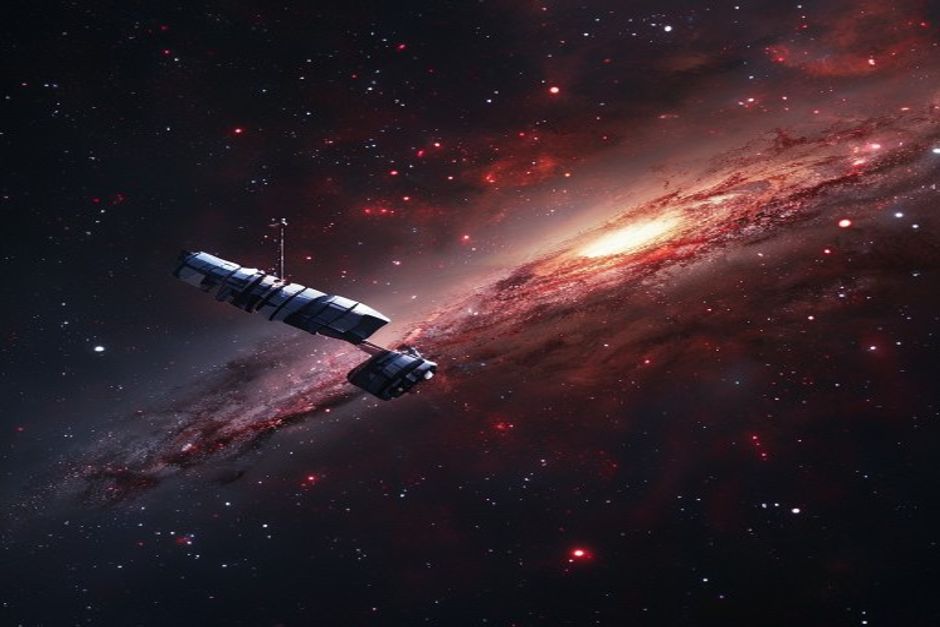
Since their groundbreaking discovery by NASA’s James Webb Space Telescope (JWST) in 2022, the mysterious 'little red dots' (LRDs) have captivated the astronomical community. These incredibly distant and compact red light sources present a significant puzzle, challenging our understanding of the early universe. Scientists are now leaning towards a prominent theory suggesting that these LRDs might be the colossal imprints of supermassive black holes, known as active galactic nuclei (AGN).
Unraveling the Early Universe's Secrets
The sheer distance of these objects places them in the very early epochs of cosmic history, a time when the universe was just beginning to form its first galaxies and stars. The JWST, with its unparalleled infrared capabilities, is uniquely positioned to observe these faint, ancient signals. The consistent red color and compact nature of the LRDs are key characteristics that have fueled the supermassive black hole hypothesis.
The Black Hole Connection
Active galactic nuclei are powered by supermassive black holes at the centers of galaxies that actively accrete matter. This process releases immense amounts of energy, often observable across the electromagnetic spectrum. If the LRDs are indeed AGN, they represent some of the earliest and most massive black holes to have formed, offering invaluable insights into how these cosmic giants grew so rapidly in the nascent universe.
Future Observations and Implications
Astronomers are eagerly awaiting further data from JWST and other observatories to confirm the nature of these enigmatic LRDs. If the black hole theory holds true, it would revolutionize our understanding of galaxy formation and the evolution of the universe's most massive structures. The findings could shed light on the mechanisms that allowed black holes to grow to such enormous sizes so early in cosmic history, fundamentally altering our cosmic narrative.
2022 में नासा के जेम्स वेब स्पेस टेलीस्कोप (JWST) द्वारा अपनी अभूतपूर्व खोज के बाद से, रहस्यमय 'लिटिल रेड डॉट्स' (LRDs) ने खगोलीय समुदाय को मोहित कर लिया है। ये अविश्वसनीय रूप से दूर और कॉम्पैक्ट लाल प्रकाश स्रोत एक महत्वपूर्ण पहेली पेश करते हैं, जो प्रारंभिक ब्रह्मांड की हमारी समझ को चुनौती देते हैं। वैज्ञानिक अब एक प्रमुख सिद्धांत की ओर झुक रहे हैं, जिसमें सुझाव दिया गया है कि ये LRDs सुपरमैसिव ब्लैक होल के विशाल निशान हो सकते हैं, जिन्हें सक्रिय गैलेक्टिक न्यूक्लिय (AGN) के रूप में जाना जाता है।
प्रारंभिक ब्रह्मांड के रहस्यों को खोलना
इन वस्तुओं की अत्यधिक दूरी उन्हें ब्रह्मांडीय इतिहास के बहुत प्रारंभिक युगों में रखती है, एक ऐसा समय जब ब्रह्मांड अपने पहले आकाशगंगाओं और सितारों का निर्माण शुरू कर रहा था। JWST, अपनी अद्वितीय अवरक्त क्षमताओं के साथ, इन मंद, प्राचीन संकेतों का निरीक्षण करने के लिए विशेष रूप से स्थित है। LRDs का लगातार लाल रंग और कॉम्पैक्ट प्रकृति प्रमुख विशेषताएं हैं जिन्होंने सुपरमैसिव ब्लैक होल परिकल्पना को बढ़ावा दिया है।
ब्लैक होल कनेक्शन
सक्रिय गैलेक्टिक न्यूक्लिय आकाशगंगाओं के केंद्रों में स्थित सुपरमैसिव ब्लैक होल द्वारा संचालित होते हैं जो सक्रिय रूप से पदार्थ जमा करते हैं। यह प्रक्रिया भारी मात्रा में ऊर्जा जारी करती है, जो अक्सर विद्युत चुम्बकीय स्पेक्ट्रम में देखी जाती है। यदि LRDs वास्तव में AGN हैं, तो वे ब्रह्मांड के नवजात शिशु में इतनी तेज़ी से बढ़ने वाले कुछ सबसे पुराने और सबसे बड़े ब्लैक होल का प्रतिनिधित्व करते हैं, जो इन ब्रह्मांडीय दिग्गजों के विकास की अमूल्य अंतर्दृष्टि प्रदान करते हैं।
भविष्य के अवलोकन और निहितार्थ
खगोलविद इन रहस्यमय LRDs की प्रकृति की पुष्टि करने के लिए JWST और अन्य वेधशालाओं से आगे के आंकड़ों का बेसब्री से इंतजार कर रहे हैं। यदि ब्लैक होल सिद्धांत सत्य साबित होता है, तो यह आकाशगंगा निर्माण और ब्रह्मांड की सबसे विशाल संरचनाओं के विकास की हमारी समझ में क्रांति लाएगा। निष्कर्ष ब्रह्मांडीय इतिहास में इतनी जल्दी ब्लैक होल के इतने बड़े आकार तक बढ़ने की अनुमति देने वाले तंत्र पर प्रकाश डाल सकते हैं, जिससे हमारे ब्रह्मांडीय कथा को मौलिक रूप से बदला जा सकता है।
2022 मध्ये नासाच्या जेम्स वेब स्पेस टेलीस्कोप (JWST) द्वारे शोधल्यापासून, रहस्यमय 'लिटिल रेड डॉट्स' (LRDs) खगोलशास्त्रीय समुदायाला आकर्षित करत आहेत. हे अत्यंत दूरचे आणि कॉम्पॅक्ट लाल प्रकाश स्रोत एक महत्त्वपूर्ण कोडे सादर करतात, जे प्रारंभिक विश्वाविषयीच्या आपल्या समजुतींना आव्हान देतात. शास्त्रज्ञ आता एका प्रमुख सिद्धांताकडे झुकत आहेत, ज्यानुसार हे LRDs सुपरमॅसिव्ह ब्लॅक होलचे विशाल ठसे असू शकतात, ज्यांना ॲक्टिव्ह गॅलेक्टिक न्यूक्लिआय (AGN) म्हणून ओळखले जाते.
प्रारंभिक विश्वाचे रहस्य उलगडणे
या वस्तूंचे प्रचंड अंतर त्यांना विश्वाच्या अगदी सुरुवातीच्या काळात ठेवते, जेव्हा विश्व प्रथम आकाशगंगा आणि तारे तयार करत होते. JWST, त्याच्या अतुलनीय इन्फ्रारेड क्षमतांसह, या अंधुक, प्राचीन संकेतांचे निरीक्षण करण्यासाठी विशेषतः स्थित आहे. LRDs चा सातत्यपूर्ण लाल रंग आणि कॉम्पॅक्ट स्वरूप ही प्रमुख वैशिष्ट्ये आहेत ज्यांनी सुपरमॅसिव्ह ब्लॅक होलच्या परिकल्पनेला बळ दिले आहे.
ब्लॅक होल कनेक्शन
ॲक्टिव्ह गॅलेक्टिक न्यूक्लिआय हे आकाशगंगांच्या मध्यभागी असलेल्या सुपरमॅसिव्ह ब्लॅक होलद्वारे संचालित होतात जे सक्रियपणे पदार्थ जमा करतात. ही प्रक्रिया प्रचंड प्रमाणात ऊर्जा बाहेर टाकते, जी अनेकदा इलेक्ट्रोमॅग्नेटिक स्पेक्ट्रममध्ये दिसून येते. जर LRDs खरोखरच AGN असतील, तर ते विश्वाच्या सुरुवातीच्या काळात वेगाने वाढलेल्या काही सर्वात जुन्या आणि सर्वात मोठ्या ब्लॅक होलचे प्रतिनिधित्व करतात, ज्यामुळे या खगोलीय महाकाय प्राण्यांच्या वाढीबद्दल अमूल्य अंतर्दृष्टी मिळते.
भविष्यातील निरीक्षणे आणि परिणाम
या रहस्यमय LRDs चे स्वरूप निश्चित करण्यासाठी खगोलशास्त्रज्ञ JWST आणि इतर वेधशाळांमधून पुढील डेटाची आतुरतेने वाट पाहत आहेत. जर ब्लॅक होलचा सिद्धांत खरा ठरला, तर तो आकाशगंगा निर्मिती आणि विश्वातील सर्वात मोठ्या संरचनांच्या उत्क्रांतीबद्दलच्या आपल्या समजुतीमध्ये क्रांती घडवेल. निष्कर्ष हे विश्वाच्या सुरुवातीच्या काळात इतक्या मोठ्या आकारापर्यंत ब्लॅक होल वाढण्यास परवानगी देणाऱ्या यंत्रणांवर प्रकाश टाकू शकतात, ज्यामुळे आपल्या खगोलीय कथनात मूलभूत बदल होऊ शकतो.
২০২২ সালে নাসা-র জেমস ওয়েব স্পেস টেলিস্কোপ (JWST) দ্বারা যুগান্তকারী আবিষ্কারের পর থেকে, রহস্যময় 'লিটল রেড ডটস' (LRDs) জ্যোতির্বিদ্যাগত সম্প্রদায়কে মুগ্ধ করেছে। এই অবিশ্বাস্যভাবে দূরবর্তী এবং কম্প্যাক্ট লাল আলোর উৎসগুলি একটি উল্লেখযোগ্য ধাঁধা উপস্থাপন করে, যা মহাবিশ্বের প্রথম দিকের আমাদের বোঝাপড়াকে চ্যালেঞ্জ করে। বিজ্ঞানীরা এখন একটি প্রধান তত্ত্বের দিকে ঝুঁকছেন, যা থেকে জানা যায় যে এই LRDsগুলি সুপারম্যাসিভ ব্ল্যাক হোলগুলির বিশাল প্রতিচ্ছবি হতে পারে, যা অ্যাক্টিভ গ্যালাকটিক নিউক্লিআই (AGN) নামে পরিচিত।
মহাবিশ্বের আদিম রহস্য উন্মোচন
এই বস্তুগুলির বিশাল দূরত্ব সেগুলিকে মহাজাগতিক ইতিহাসের একেবারে প্রাথমিক যুগে স্থাপন করে, যখন মহাবিশ্ব সবেমাত্র তার প্রথম গ্যালাক্সি এবং নক্ষত্র গঠন করতে শুরু করেছিল। JWST, তার অতুলনীয় ইনফ্রারেড ক্ষমতা সহ, এই ক্ষীণ, প্রাচীন সংকেতগুলি পর্যবেক্ষণ করার জন্য বিশেষভাবে অবস্থিত। LRDs-এর ধারাবাহিক লাল রঙ এবং কম্প্যাক্ট প্রকৃতি হল মূল বৈশিষ্ট্য যা সুপারম্যাসিভ ব্ল্যাক হোল হাইপোথিসিসকে উৎসাহিত করেছে।
ব্ল্যাক হোল সংযোগ
অ্যাক্টিভ গ্যালাকটিক নিউক্লিআইগুলি গ্যালাক্সির কেন্দ্রস্থলে থাকা সুপারম্যাসিভ ব্ল্যাক হোল দ্বারা চালিত হয় যা সক্রিয়ভাবে পদার্থ জমা করে। এই প্রক্রিয়াটি বিপুল পরিমাণ শক্তি নির্গত করে, যা প্রায়শই ইলেক্ট্রোম্যাগনেটিক বর্ণালীতে দেখা যায়। যদি LRDs প্রকৃতপক্ষে AGN হয়, তবে তারা মহাবিশ্বের নবীনকালে এত দ্রুত বৃদ্ধিপ্রাপ্ত কিছু প্রাচীনতম এবং বৃহত্তম ব্ল্যাক হোলগুলির প্রতিনিধিত্ব করে, যা এই মহাজাগতিক দৈত্যদের বৃদ্ধির বিষয়ে অমূল্য অন্তর্দৃষ্টি প্রদান করে।
ভবিষ্যৎ পর্যবেক্ষণ এবং প্রভাব
এই রহস্যময় LRDs-এর প্রকৃতি নিশ্চিত করার জন্য জ্যোতির্বিজ্ঞানীরা JWST এবং অন্যান্য মানমন্দির থেকে আরও ডেটার জন্য অধীর আগ্রহে অপেক্ষা করছেন। যদি ব্ল্যাক হোল তত্ত্বটি সত্য প্রমাণিত হয়, তবে এটি গ্যালাক্সি গঠন এবং মহাবিশ্বের বৃহত্তম কাঠামো গুলির বিবর্তন সম্পর্কে আমাদের বোঝাপড়ায় বৈপ্লবিক পরিবর্তন আনবে। এই আবিষ্কারগুলি মহাজাগতিক ইতিহাসে এত দ্রুত ব্ল্যাক হোলগুলি এত বিশাল আকারে বৃদ্ধি পাওয়ার প্রক্রিয়াগুলির উপর আলোকপাত করতে পারে, যা আমাদের মহাজাগতিক আখ্যানকে মৌলিকভাবে পরিবর্তন করবে।
2022 இல் நாசாவின் ஜேம்ஸ் வெப் விண்வெளி தொலைநோக்கி (JWST) மூலம் கண்டுபிடிக்கப்பட்டதிலிருந்து, மர்மமான 'லிட்டில் ரெட் டாட்ஸ்' (LRDs) வானியல் சமூகத்தைக் கவர்ந்துள்ளது. இந்த நம்பமுடியாத தொலைதூர மற்றும் காம்பாக்ட் சிவப்பு ஒளி மூலங்கள் ஒரு குறிப்பிடத்தக்க புதிராக உள்ளன, இது ஆரம்பகால பிரபஞ்சத்தைப் பற்றிய நமது புரிதலை சவால் செய்கிறது. விஞ்ஞானிகள் இப்போது ஒரு முக்கிய கோட்பாட்டை நோக்கிச் செல்கின்றனர், இது இந்த LRDகள் செயலில் உள்ள கேலக்ஸி நியூக்ளியை (AGN) என அறியப்படும் சூப்பர்மாசிவ் கருந்துளைகளின் பெரிய தடயங்களாக இருக்கலாம் என்று பரிந்துரைக்கிறது.
ஆரம்பகால பிரபஞ்சத்தின் ரகசியங்களை அவிழ்த்தல்
இந்த பொருட்களின் மகத்தான தூரம் அவற்றை பிரபஞ்ச வரலாற்றின் மிக ஆரம்ப காலங்களில் வைக்கிறது, அப்போது பிரபஞ்சம் அதன் முதல் விண்மீன் திரள்களையும் நட்சத்திரங்களையும் உருவாக்கத் தொடங்கியது. JWST, அதன் இணையற்ற அகச்சிவப்பு திறன்களுடன், இந்த மங்கலான, பண்டைய சமிக்ஞைகளைக் கவனிக்க சிறப்பாக நிலைநிறுத்தப்பட்டுள்ளது. LRD களின் சீரான சிவப்பு நிறம் மற்றும் காம்பாக்ட் தன்மை ஆகியவை சூப்பர்மாசிவ் கருந்துளை கருதுகோளை ஊக்குவித்த முக்கிய அம்சங்களாகும்.
கருந்துளை இணைப்பு
செயலில் உள்ள கேலக்ஸி நியூக்ளியை, கேலக்ஸிகளின் மையங்களில் உள்ள சூப்பர்மாசிவ் கருந்துளைகளால் இயக்கப்படுகிறது, அவை தீவிரமாக பொருளை திரட்டுகின்றன. இந்த செயல்முறை மகத்தான ஆற்றலை வெளியிடுகிறது, இது பெரும்பாலும் மின்காந்த நிறமாலையில் காணப்படுகிறது. LRD கள் உண்மையில் AGN களாக இருந்தால், அவை பிரபஞ்சத்தின் ஆரம்ப காலத்தில் மிக விரைவாக வளர்ந்த சில பழமையான மற்றும் மிகப்பெரிய கருந்துளைகளை பிரதிநிதித்துவப்படுத்துகின்றன, இது இந்த அண்ட ராட்சதர்களின் வளர்ச்சி பற்றிய விலைமதிப்பற்ற நுண்ணறிவுகளை வழங்குகிறது.
எதிர்கால அவதானிப்புகள் மற்றும் தாக்கங்கள்
இந்த மர்மமான LRD களின் தன்மையை உறுதிப்படுத்த வானியலாளர்கள் JWST மற்றும் பிற தொலைநோக்கிகளிலிருந்து வரும் கூடுதல் தரவுகளுக்காக ஆவலுடன் காத்திருக்கிறார்கள். கருந்துளை கோட்பாடு உண்மையாக இருந்தால், அது விண்மீன் உருவாக்கம் மற்றும் பிரபஞ்சத்தின் மிகப்பெரிய கட்டமைப்புகளின் பரிணாமம் பற்றிய நமது புரிதலில் புரட்சியை ஏற்படுத்தும். இந்த கண்டுபிடிப்புகள் பிரபஞ்ச வரலாற்றின் ஆரம்பகாலத்தில் கருந்துளைகள் இவ்வளவு பெரிய அளவை அடைய அனுமதித்த வழிமுறைகள் மீது வெளிச்சம் போடக்கூடும், இது நமது அண்டக் கதையை அடிப்படையாக மாற்றும்.
2022లో నాసా యొక్క జేమ్స్ వెబ్ స్పేస్ టెలిస్కోప్ (JWST) ద్వారా కనుగొనబడినప్పటి నుండి, 'లిటిల్ రెడ్ డాట్స్' (LRDs) అనే రహస్య వస్తువులు ఖగోళ శాస్త్రవేత్తలను ఆకర్షిస్తున్నాయి. ఈ అత్యంత దూరంలో ఉన్న, కాంపాక్ట్ ఎరుపు కాంతి వనరులు ఒక ముఖ్యమైన రహస్యాన్ని కలిగి ఉన్నాయి, ఇవి తొలి విశ్వంపై మన అవగాహనను సవాలు చేస్తున్నాయి. శాస్త్రవేత్తలు ఇప్పుడు ఒక ప్రముఖ సిద్ధాంతం వైపు మొగ్గు చూపుతున్నారు, దీని ప్రకారం ఈ LRDలు యాక్టివ్ గెలాక్టిక్ న్యూక్లియై (AGN) అని పిలువబడే అతిపెద్ద బ్లాక్ హోల్స్ యొక్క భారీ ఆనవాళ్లు కావచ్చు.
తొలి విశ్వం యొక్క రహస్యాలను ఛేదించడం
ఈ వస్తువుల యొక్క అపారమైన దూరం వాటిని విశ్వ చరిత్ర యొక్క ప్రారంభ కాలానికి చెందినవిగా సూచిస్తుంది, ఆ సమయంలో విశ్వం తన మొదటి గెలాక్సీలు మరియు నక్షత్రాలను ఏర్పరచుకోవడం ప్రారంభించింది. JWST, దాని అసమానమైన పరారుణ సామర్థ్యాలతో, ఈ మందమైన, పురాతన సంకేతాలను పరిశీలించడానికి ప్రత్యేకంగా నిలుస్తుంది. LRDల స్థిరమైన ఎరుపు రంగు మరియు కాంపాక్ట్ స్వభావం సూపర్ మాసివ్ బ్లాక్ హోల్ పరికల్పనకు ఊతమిచ్చిన ముఖ్య లక్షణాలు.
బ్లాక్ హోల్ కనెక్షన్
యాక్టివ్ గెలాక్టిక్ న్యూక్లియై గెలాక్సీల కేంద్రాలలో ఉండే అతిపెద్ద బ్లాక్ హోల్స్ ద్వారా శక్తిని పొందుతాయి, ఇవి పదార్థాన్ని చురుకుగా ఆకర్షిస్తాయి. ఈ ప్రక్రియ భారీ మొత్తంలో శక్తిని విడుదల చేస్తుంది, ఇది తరచుగా విద్యుదయస్కాంత వర్ణపటంలో కనిపిస్తుంది. LRDలు నిజంగా AGN అయితే, అవి తొలి విశ్వంలో చాలా వేగంగా పెరిగిన పురాతన మరియు అతిపెద్ద బ్లాక్ హోల్స్లో కొన్నింటిని సూచిస్తాయి, ఈ విశ్వ రాక్షసుల పెరుగుదల గురించి అమూల్యమైన అంతర్దృష్టులను అందిస్తాయి.
భవిష్యత్ పరిశీలనలు మరియు ప్రభావాలు
ఈ రహస్యమైన LRDల స్వభావాన్ని నిర్ధారించడానికి ఖగోళ శాస్త్రవేత్తలు JWST మరియు ఇతర అబ్జర్వేటరీల నుండి మరిన్ని డేటా కోసం ఆసక్తిగా ఎదురుచూస్తున్నారు. బ్లాక్ హోల్ సిద్ధాంతం నిజమని తేలితే, అది గెలాక్సీల నిర్మాణం మరియు విశ్వం యొక్క అతిపెద్ద నిర్మాణాల పరిణామంపై మన అవగాహనలో విప్లవాత్మక మార్పు తెస్తుంది. ఈ ఆవిష్కరణలు విశ్వ చరిత్రలో ఇంత త్వరగా బ్లాక్ హోల్స్ అంత పెద్ద పరిమాణాలకు పెరగడానికి అనుమతించిన యంత్రాంగాలపై వెలుగునివ్వవచ్చు, ఇది మన విశ్వ కథనాన్ని సమూలంగా మారుస్తుంది.
2022 માં નાસાની જેમ્સ વેબ સ્પેસ ટેલિસ્કોપ (JWST) દ્વારા તેની ક્રાંતિકારી શોધ બાદથી, રહસ્યમય 'લિટલ રેડ ડોટ્સ' (LRDs) ખગોળશાસ્ત્રીય સમુદાયને મોહિત કરી રહ્યા છે. આ અત્યંત દૂરના અને કોમ્પેક્ટ લાલ પ્રકાશ સ્ત્રોતો એક નોંધપાત્ર કોયડો રજૂ કરે છે, જે પ્રારંભિક બ્રહ્માંડની આપણી સમજણને પડકારે છે. વૈજ્ઞાનિકો હવે એક પ્રમુખ સિદ્ધાંત તરફ ઝુકી રહ્યા છે, જે સૂચવે છે કે આ LRDs સુપરમાસિવ બ્લેક હોલના વિશાળ નિશાન હોઈ શકે છે, જેને એક્ટિવ ગેલેક્ટીક ન્યુક્લિઆ (AGN) તરીકે ઓળખવામાં આવે છે.
પ્રારંભિક બ્રહ્માંડના રહસ્યોને ઉકેલવા
આ પદાર્થોનું અત્યંત અંતર તેમને બ્રહ્માંડના ઇતિહાસના ખૂબ જ પ્રારંભિક યુગમાં મૂકે છે, જ્યારે બ્રહ્માંડ તેની પ્રથમ ગેલેક્સીઓ અને તારાઓની રચના શરૂ કરી રહ્યું હતું. JWST, તેની અતુલ્ય ઇન્ફ્રારેડ ક્ષમતાઓ સાથે, આ ઝાંખા, પ્રાચીન સંકેતોનું અવલોકન કરવા માટે ખાસ સ્થિત છે. LRD નો સુસંગત લાલ રંગ અને કોમ્પેક્ટ પ્રકૃતિ મુખ્ય લાક્ષણિકતાઓ છે જેણે સુપરમાસિવ બ્લેક હોલ પૂર્વધારણાને વેગ આપ્યો છે.
બ્લેક હોલ કનેક્શન
એક્ટિવ ગેલેક્ટીક ન્યુક્લિઆ એ ગેલેક્સીઓના કેન્દ્રમાં સ્થિત સુપરમાસિવ બ્લેક હોલ દ્વારા સંચાલિત થાય છે જે સક્રિયપણે પદાર્થ એકઠા કરે છે. આ પ્રક્રિયા વિશાળ માત્રામાં ઊર્જા મુક્ત કરે છે, જે ઘણીવાર ઇલેક્ટ્રોમેગ્નેટિક સ્પેક્ટ્રમમાં જોવા મળે છે. જો LRDs ખરેખર AGN હોય, તો તે બ્રહ્માંડના નવજાત શિશુમાં ખૂબ જ ઝડપથી વિકસેલા કેટલાક સૌથી જૂના અને સૌથી મોટા બ્લેક હોલનું પ્રતિનિધિત્વ કરે છે, જે આ બ્રહ્માંડીય મહાકાયોના વિકાસ વિશે અમૂલ્ય આંતરદૃષ્ટિ પ્રદાન કરે છે.
ભવિષ્યના અવલોકનો અને અસરો
આ રહસ્યમય LRDs ના સ્વભાવને પુષ્ટિ આપવા માટે ખગોળશાસ્ત્રીઓ JWST અને અન્ય ઓબ્ઝર્વેટરીઝમાંથી વધુ ડેટાની આતુરતાપૂર્વક રાહ જોઈ રહ્યા છે. જો બ્લેક હોલ સિદ્ધાંત સાચો સાબિત થાય, તો તે ગેલેક્સી નિર્માણ અને બ્રહ્માંડની સૌથી મોટી રચનાઓના ઉત્ક્રાંતિ વિશેની આપણી સમજણમાં ક્રાંતિ લાવશે. આ તારણો બ્રહ્માંડીય ઇતિહાસમાં ખૂબ જ વહેલા બ્લેક હોલને આટલા વિશાળ કદ સુધી વધવા દેવાની પદ્ધતિઓ પર પ્રકાશ પાડી શકે છે, જે આપણા બ્રહ્માંડીય કથાને મૂળભૂત રીતે બદલી શકે છે.
2022 ਵਿੱਚ ਨਾਸਾ ਦੇ ਜੇਮਸ ਵੈਬ ਸਪੇਸ ਟੈਲੀਸਕੋਪ (JWST) ਦੁਆਰਾ ਆਪਣੀ ਇਨਕਲਾਬੀ ਖੋਜ ਤੋਂ ਬਾਅਦ, ਰਹੱਸਮਈ 'ਲਿਟਲ ਰੈੱਡ ਡਾਟਸ' (LRDs) ਨੇ ਖਗੋਲ-ਵਿਗਿਆਨਕ ਭਾਈਚਾਰੇ ਨੂੰ ਮੋਹਿਤ ਕਰ ਲਿਆ ਹੈ। ਇਹ ਅਵਿਸ਼ਵਾਸ਼ਯੋਗ ਤੌਰ 'ਤੇ ਦੂਰ ਅਤੇ ਸੰਖੇਪ ਲਾਲ ਰੋਸ਼ਨੀ ਸਰੋਤ ਇੱਕ ਮਹੱਤਵਪੂਰਨ ਬੁਝਾਰਤ ਪੇਸ਼ ਕਰਦੇ ਹਨ, ਜੋ ਸ਼ੁਰੂਆਤੀ ਬ੍ਰਹਿਮੰਡ ਬਾਰੇ ਸਾਡੀ ਸਮਝ ਨੂੰ ਚੁਣੌਤੀ ਦਿੰਦੇ ਹਨ। ਵਿਗਿਆਨੀ ਹੁਣ ਇੱਕ ਪ੍ਰਮੁੱਖ ਸਿਧਾਂਤ ਵੱਲ ਝੁਕ ਰਹੇ ਹਨ, ਜੋ ਸੁਝਾਅ ਦਿੰਦਾ ਹੈ ਕਿ ਇਹ LRDs ਸੁਪਰਮਾਸਿਵ ਬਲੈਕ ਹੋਲ ਦੇ ਵਿਸ਼ਾਲ ਨਿਸ਼ਾਨ ਹੋ ਸਕਦੇ ਹਨ, ਜਿਨ੍ਹਾਂ ਨੂੰ ਐਕਟਿਵ ਗੈਲੈਕਟਿਕ ਨਿਊਕਲਾਈ (AGN) ਵਜੋਂ ਜਾਣਿਆ ਜਾਂਦਾ ਹੈ।
ਸ਼ੁਰੂਆਤੀ ਬ੍ਰਹਿਮੰਡ ਦੇ ਭੇਦ ਖੋਲ੍ਹਣਾ
ਇਨ੍ਹਾਂ ਵਸਤੂਆਂ ਦੀ ਬੇਅੰਤ ਦੂਰੀ ਉਨ੍ਹਾਂ ਨੂੰ ਬ੍ਰਹਿਮੰਡੀ ਇਤਿਹਾਸ ਦੇ ਬਿਲਕੁਲ ਸ਼ੁਰੂਆਤੀ ਦੌਰ ਵਿੱਚ ਰੱਖਦੀ ਹੈ, ਜਦੋਂ ਬ੍ਰਹਿਮੰਡ ਆਪਣੇ ਪਹਿਲੇ ਗਲੈਕਸੀਆਂ ਅਤੇ ਤਾਰਿਆਂ ਦਾ ਨਿਰਮਾਣ ਕਰਨਾ ਸ਼ੁਰੂ ਕਰ ਰਿਹਾ ਸੀ। JWST, ਆਪਣੀਆਂ ਬੇਮਿਸਾਲ ਇਨਫਰਾਰੈੱਡ ਸਮਰੱਥਾਵਾਂ ਨਾਲ, ਇਨ੍ਹਾਂ ਧੁੰਦਲੇ, ਪ੍ਰਾਚੀਨ ਸੰਕੇਤਾਂ ਦਾ ਨਿਰੀਖਣ ਕਰਨ ਲਈ ਵਿਸ਼ੇਸ਼ ਤੌਰ 'ਤੇ ਸਥਿਤ ਹੈ। LRDs ਦਾ ਲਗਾਤਾਰ ਲਾਲ ਰੰਗ ਅਤੇ ਸੰਖੇਪ ਸੁਭਾਅ ਉਹ ਮੁੱਖ ਵਿਸ਼ੇਸ਼ਤਾਵਾਂ ਹਨ ਜਿਨ੍ਹਾਂ ਨੇ ਸੁਪਰਮਾਸਿਵ ਬਲੈਕ ਹੋਲ ਦੀ ਪਰਿਕਲਪਨਾ ਨੂੰ ਉਤਸ਼ਾਹਤ ਕੀਤਾ ਹੈ।
ਬਲੈਕ ਹੋਲ ਕਨੈਕਸ਼ਨ
ਐਕਟਿਵ ਗੈਲੈਕਟਿਕ ਨਿਊਕਲਾਈ ਗਲੈਕਸੀਆਂ ਦੇ ਕੇਂਦਰਾਂ ਵਿੱਚ ਸੁਪਰਮਾਸਿਵ ਬਲੈਕ ਹੋਲ ਦੁਆਰਾ ਸੰਚਾਲਿਤ ਹੁੰਦੇ ਹਨ ਜੋ ਸਰਗਰਮੀ ਨਾਲ ਪਦਾਰਥ ਇਕੱਠਾ ਕਰਦੇ ਹਨ। ਇਹ ਪ੍ਰਕਿਰਿਆ ਭਾਰੀ ਮਾਤਰਾ ਵਿੱਚ ਊਰਜਾ ਛੱਡਦੀ ਹੈ, ਜੋ ਅਕਸਰ ਇਲੈਕਟ੍ਰੋਮੈਗਨੈਟਿਕ ਸਪੈਕਟ੍ਰਮ ਵਿੱਚ ਦੇਖੀ ਜਾਂਦੀ ਹੈ। ਜੇ LRDs ਅਸਲ ਵਿੱਚ AGN ਹਨ, ਤਾਂ ਉਹ ਬ੍ਰਹਿਮੰਡ ਦੇ ਨੌਜਵਾਨ ਦੌਰ ਵਿੱਚ ਇੰਨੀ ਤੇਜ਼ੀ ਨਾਲ ਵਧੇ ਕੁਝ ਸਭ ਤੋਂ ਪੁਰਾਣੇ ਅਤੇ ਸਭ ਤੋਂ ਵੱਡੇ ਬਲੈਕ ਹੋਲਜ਼ ਨੂੰ ਦਰਸਾਉਂਦੇ ਹਨ, ਜੋ ਇਨ੍ਹਾਂ ਬ੍ਰਹਿਮੰਡੀ ਦਿੱਗਜਾਂ ਦੇ ਵਾਧੇ ਬਾਰੇ ਅਨਮੋਲ ਸੂਝ ਪ੍ਰਦਾਨ ਕਰਦੇ ਹਨ।
ਭਵਿੱਖ ਦੇ ਨਿਰੀਖਣ ਅਤੇ ਪ੍ਰਭਾਵ
ਖਗੋਲ-ਵਿਗਿਆਨੀ ਇਨ੍ਹਾਂ ਰਹੱਸਮਈ LRDs ਦੀ ਪ੍ਰਕਿਰਤੀ ਦੀ ਪੁਸ਼ਟੀ ਕਰਨ ਲਈ JWST ਅਤੇ ਹੋਰ ਆਬਜ਼ਰਵੇਟਰੀਆਂ ਤੋਂ ਹੋਰ ਡੇਟਾ ਦੀ ਬੇਸਬਰੀ ਨਾਲ ਉਡੀਕ ਕਰ ਰਹੇ ਹਨ। ਜੇ ਬਲੈਕ ਹੋਲ ਸਿਧਾਂਤ ਸੱਚ ਸਾਬਤ ਹੁੰਦਾ ਹੈ, ਤਾਂ ਇਹ ਗਲੈਕਸੀ ਨਿਰਮਾਣ ਅਤੇ ਬ੍ਰਹਿਮੰਡ ਦੀਆਂ ਸਭ ਤੋਂ ਵੱਡੀਆਂ ਬਣਤਰਾਂ ਦੇ ਵਿਕਾਸ ਬਾਰੇ ਸਾਡੀ ਸਮਝ ਵਿੱਚ ਕ੍ਰਾਂਤੀ ਲਿਆਏਗਾ। ਇਹ ਖੋਜਾਂ ਬ੍ਰਹਿਮੰਡੀ ਇਤਿਹਾਸ ਵਿੱਚ ਇੰਨੀ ਜਲਦੀ ਬਲੈਕ ਹੋਲਜ਼ ਨੂੰ ਇੰਨੇ ਵੱਡੇ ਆਕਾਰ ਤੱਕ ਵਧਣ ਦੀ ਆਗਿਆ ਦੇਣ ਵਾਲੀਆਂ ਵਿਧੀਆਂ 'ਤੇ ਰੌਸ਼ਨੀ ਪਾ ਸਕਦੀਆਂ ਹਨ, ਜੋ ਸਾਡੀ ਬ੍ਰਹਿਮੰਡੀ ਕਹਾਣੀ ਨੂੰ ਬੁਨਿਆਦੀ ਤੌਰ 'ਤੇ ਬਦਲ ਸਕਦੀਆਂ ਹਨ।

💬 Comments