Breaking News
ताज़ा खबर
ताजी बातमी
সর্বশেষ সংবাদ
சமீபத்திய செய்தி
తాజా వార్త
તાજા સમાચાર
ਤਾਜ਼ਾ ਖ਼ਬਰ
The Dramatic Decline of India's Left Parties: From Dominance to Near Irrelevance
भारत की वामपंथी पार्टियों का नाटकीय पतन: प्रभुत्व से लगभग अप्रासंगिकता तक
भारतातील डाव्या सरकारांचा नाट्यमय ऱ्हास
ভারতের বাম সরকারগুলির নাটকীয় পতন
இந்திய இடதுசாரி அரசாங்கங்களின் வியத்தகு வீழ்ச்சி
భారతదేశంలో వామపక్ష ప్రభుత్వాల నాటకీయ పతనం
ભારતીય સામ્યવાદી સરકારોનું નાટકીય પતન
ਭਾਰਤੀ ਖੱਬੀਆਂ ਸਰਕਾਰਾਂ ਦਾ ਨਾਟਕੀ ਪਤਨ
By AI News Desk
🕐 06 May 2026, 11:34 AM
🌍 World
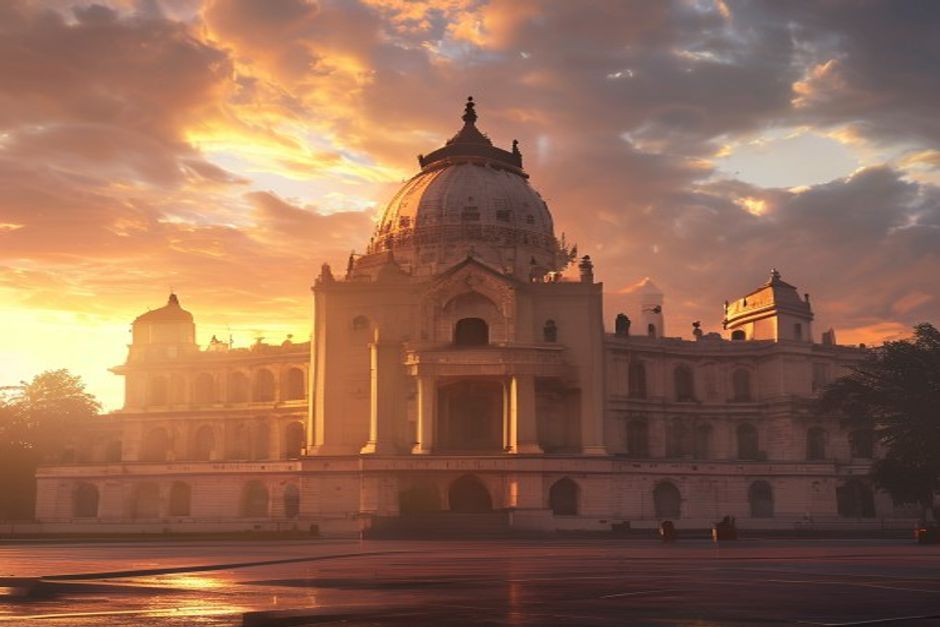
For the first time in over half a century, India finds itself without a Left government in power. This marks a monumental shift from an era where Left parties were dominant forces, ruling states like West Bengal, Kerala, and Tripura. Their journey from commanding significant political influence to near marginalization is a compelling narrative of ideological evolution, strategic missteps, and changing socio-political landscapes.
The Golden Era
In the post-independence decades, India's Left parties, primarily the Communist Party of India (CPI) and the Communist Party of India (Marxist) (CPI(M)), carved out significant political space. Their appeal was rooted in advocating for the working class, farmers, and marginalized communities, promoting secularism, and championing socialist ideals. West Bengal, under Left Front rule for an unbroken 34 years, and Kerala, often a Left bastion, were testaments to their enduring appeal and administrative capabilities. Tripura also witnessed long spells of Left governance.
Factors Leading to Decline
Several factors contributed to this dramatic fall. The collapse of the Soviet Union and the subsequent global discrediting of communism impacted the ideological moorings of Indian Left parties. Their perceived rigidity and inability to adapt to economic liberalization in the 1990s alienated segments of the population, particularly the aspirational middle class. In West Bengal, allegations of political violence, land acquisition controversies, and a failure to keep pace with economic development eroded their support base, leading to their historic defeat in 2011. In Tripura, a similar wave of anti-incumbency and a shift in political alliances led to their downfall. Even in Kerala, while they have managed to retain power through cycles of election, their national presence has diminished significantly.
The Future of the Left
The current political vacuum left by the Left poses questions about its future. Can these parties reinvent themselves to resonate with contemporary India? The challenge lies in adapting their socialist ideology to a more market-oriented economy while retaining their core principles of social justice and equality. Rebuilding trust, engaging with new demographics, and forging relevant alliances will be crucial for any resurgence. The journey from commanding states to struggling for relevance is a stark reminder of the fluid nature of Indian politics.
आधा शताब्दी से अधिक समय में पहली बार, भारत वामपंथी सरकार के बिना है। यह उस युग से एक बड़ा बदलाव का प्रतीक है जब वाम दल शक्तिशाली थे और पश्चिम बंगाल, केरल और त्रिपुरा जैसे राज्यों पर शासन करते थे। प्रभावशाली राजनीतिक स्थिति से लगभग हाशिए पर पहुँचने तक की उनकी यात्रा वैचारिक विकास, रणनीतिक गलतियों और बदलते सामाजिक-राजनीतिक परिदृश्यों की एक सम्मोहक कहानी है।
स्वर्ण युग
स्वतंत्रता के बाद के दशकों में, भारत के वामपंथी दलों, मुख्य रूप से भारतीय कम्युनिस्ट पार्टी (सीपीआई) और भारतीय कम्युनिस्ट पार्टी (मार्क्सवादी) (सीपीआई(एम)), ने महत्वपूर्ण राजनीतिक स्थान बनाया। उनकी अपील श्रमिक वर्ग, किसानों और वंचित समुदायों की वकालत करने, धर्मनिरपेक्षता को बढ़ावा देने और समाजवादी आदर्शों को अपनाने में निहित थी। पश्चिम बंगाल, लगातार 34 वर्षों तक वाम मोर्चा के शासन में रहा, और केरल, जो अक्सर वामपंथी गढ़ रहा, उनकी स्थायी अपील और प्रशासनिक क्षमताओं के प्रमाण थे। त्रिपुरा ने भी वामपंथी शासन के लंबे दौर देखे।
पतन के कारण
इस नाटकीय पतन में कई कारकों का योगदान रहा। सोवियत संघ का विघटन और उसके बाद साम्यवाद की वैश्विक बदनामी ने भारतीय वामपंथी दलों की वैचारिक जड़ों को प्रभावित किया। उनकी कथित कठोरता और 1990 के दशक में आर्थिक उदारीकरण के प्रति अनुकूलन करने में असमर्थता ने जनसंख्या के कुछ वर्गों, विशेष रूप से महत्वाकांक्षी मध्यम वर्ग को अलग-थलग कर दिया। पश्चिम बंगाल में, राजनीतिक हिंसा के आरोप, भूमि अधिग्रहण विवाद और आर्थिक विकास के साथ तालमेल बिठाने में विफलता ने उनके समर्थन आधार को कमजोर कर दिया, जिससे 2011 में उनकी ऐतिहासिक हार हुई। त्रिपुरा में, इसी तरह की सत्ता-विरोधी लहर और राजनीतिक गठबंधनों में बदलाव ने उनके पतन का कारण बना। केरल में भी, जहाँ वे चुनाव के चक्रों के माध्यम से सत्ता बनाए रखने में कामयाब रहे हैं, उनकी राष्ट्रीय उपस्थिति काफी कम हो गई है।
वामपंथ का भविष्य
वाम सरकार के बिना वर्तमान राजनीतिक शून्य, इसके भविष्य के बारे में सवाल खड़े करता है। क्या ये दल समकालीन भारत के साथ तालमेल बिठाने के लिए खुद को नया रूप दे सकते हैं? चुनौती यह है कि सामाजिक न्याय और समानता के अपने मूल सिद्धांतों को बनाए रखते हुए अपनी समाजवादी विचारधारा को अधिक बाजार-उन्मुख अर्थव्यवस्था के अनुकूल बनाया जाए। विश्वास का पुनर्निर्माण, नए जनसांख्यिकी के साथ जुड़ना और प्रासंगिक गठबंधन बनाना किसी भी पुनरुत्थान के लिए महत्वपूर्ण होगा। राज्यों पर हावी होने से लेकर प्रासंगिकता के लिए संघर्ष तक की यात्रा भारतीय राजनीति की तरल प्रकृति की एक स्पष्ट याद दिलाती है।
पन्नास वर्षांहून अधिक काळानंतर प्रथमच, भारतात डाव्या पक्षांचे सरकार सत्तेवर नाही. एकेकाळी केरल, पश्चिम बंगाल आणि त्रिपुरासारख्या राज्यांमध्ये वर्चस्व गाजवणाऱ्या या पक्षांचा राजकीय प्रभाव जवळजवळ संपुष्टात येण्यापर्यंतचा प्रवास हा एक मोठा बदल दर्शवतो. त्यांच्या उदयापासून ते पतनापर्यंत आणि भविष्यापर्यंतचा हा प्रवास अनेक कारणांनी घडला आहे.
सुवर्णकाळ
स्वातंत्र्यानंतरच्या दशकांमध्ये, भारतातील डाव्या पक्षांनी, विशेषतः भारतीय कम्युनिस्ट पक्ष (CPI) आणि भारतीय कम्युनिस्ट पक्ष (मार्क्सवादी) (CPI(M)), एक महत्त्वपूर्ण राजकीय स्थान निर्माण केले होते. कामगार वर्ग, शेतकरी आणि वंचित समुदायांचे प्रतिनिधित्व करणे, धर्मनिरपेक्षता आणि समाजवादी विचारसरणीचा प्रचार करणे या त्यांच्या भूमिकांमुळे त्यांना मोठे समर्थन मिळाले. पश्चिम बंगालमध्ये सलग ३४ वर्षे डाव्या आघाडीचे सरकार होते, तर केरल हे नेहमीच डाव्या पक्षांचे बालेकिल्ला राहिले. त्रिपुरामध्येही डाव्या पक्षांनी दीर्घकाळ सत्ता अनुभवली.
ऱ्हासाची कारणे
या नाट्यमय पतनासाठी अनेक घटक कारणीभूत ठरले. सोव्हिएत युनियनचे विघटन आणि त्यानंतर जागतिक स्तरावर साम्यवादाबद्दल निर्माण झालेली नकारात्मक प्रतिमा यामुळे भारतीय डाव्या पक्षांच्या वैचारिक भूमिकेवर परिणाम झाला. त्यांची कथित काठिण्य वृत्ती आणि १९९० च्या दशकात झालेल्या आर्थिक उदारीकरणाशी जुळवून घेण्यास असमर्थता यामुळे समाजातील काही घटक, विशेषतः मध्यमवर्गाचे, त्यांच्यापासून दुरावले. पश्चिम बंगालमध्ये, राजकीय हिंसाचाराचे आरोप, जमीन अधिग्रहणाचे वाद आणि आर्थिक विकासाच्या गतीशी ताळमेळ राखण्यात आलेले अपयश यामुळे त्यांचा जनाधार कमी झाला, ज्यामुळे २०११ मध्ये त्यांना ऐतिहासिक पराभवाला सामोरे जावे लागले. त्रिपुरामध्येही, सत्ताविरोधी लाट आणि राजकीय युतीमधील बदलांमुळे त्यांचे सरकार कोसळले. केरलमध्येही, जरी ते निवडणुकीच्या फेऱ्यांमध्ये सत्ता राखण्यात यशस्वी झाले असले तरी, त्यांची राष्ट्रीय पातळीवरील उपस्थिती लक्षणीयरीत्या कमी झाली आहे.
डाव्या पक्षांचे भविष्य
सध्याच्या राजकीय परिस्थितीत डाव्या पक्षांचे भविष्य काय असेल, हा प्रश्न आहे. समकालीन भारताशी सुसंगत होण्यासाठी हे पक्ष स्वतःला नव्याने उभे करू शकतील का? समाजवादी विचारसरणीला अधिक बाजार-केंद्रित अर्थव्यवस्थेशी जोडणे, तसेच सामाजिक न्याय आणि समानतेची आपली मूळ तत्त्वे जपणे, हे त्यांच्यासमोरील आव्हान आहे. विश्वासार्हता पुन्हा मिळवणे, नवीन पिढ्यांशी जोडले जाणे आणि योग्य राजकीय आघाड्या करणे हे त्यांच्या कोणत्याही पुनरुत्थानासाठी महत्त्वपूर्ण ठरेल. एकेकाळी राज्यांवर राज्य करण्यापासून ते आज प्रासंगिकतेसाठी संघर्ष करण्यापर्यंतचा त्यांचा प्रवास भारतीय राजकारणाच्या बदलत्या स्वरूपाची एक स्पष्ट आठवण करून देतो.
অর্ধ শতাব্দীরও বেশি সময় পর এই প্রথমবার ভারত বাম সরকার ছাড়াই চলছে। এটি এমন এক সময়ের থেকে এক বিরাট পরিবর্তন যখন বাম দলগুলি পশ্চিমবঙ্গ, কেরালা এবং ত্রিপুরার মতো রাজ্যগুলিতে প্রভাবশালী ছিল। তাদের উত্থান থেকে পতন পর্যন্ত এবং তাদের ভবিষ্যৎ নিয়ে এই আলোচনাটি রাজনৈতিক উত্থান-পতনের এক চিত্তাকর্ষক কাহিনী।
স্বর্ণযুগ
স্বাধীনতার পরের দশকগুলিতে, ভারতের বাম দলগুলি, বিশেষ করে ভারতের কমিউনিস্ট পার্টি (সিপিআই) এবং ভারতের কমিউনিস্ট পার্টি (মার্কসবাদী) (সিপিআই(এম)), একটি উল্লেখযোগ্য রাজনৈতিক ক্ষেত্র তৈরি করেছিল। শ্রমিক শ্রেণি, কৃষক এবং সুবিধাবঞ্চিত সম্প্রদায়ের অধিকারের পক্ষে দাঁড়ানো, ধর্মনিরপেক্ষতা প্রচার করা এবং সমাজতান্ত্রিক আদর্শকে সমর্থন করা - এই বিষয়গুলিই তাদের জনপ্রিয়তার মূল ভিত্তি ছিল। পশ্চিমবঙ্গ একটানা ৩৪ বছর বামফ্রন্টের শাসনাধীন ছিল এবং কেরালা প্রায়শই বামপন্থীদের ঘাঁটি ছিল, যা তাদের স্থায়ী আবেদন এবং প্রশাসনিক ক্ষমতার প্রমাণ দেয়। ত্রিপুরাতেও বাম সরকার দীর্ঘ সময় ধরে ক্ষমতায় ছিল।
পতনের কারণ
এই নাটকীয় পতনের পেছনে একাধিক কারণ রয়েছে। সোভিয়েত ইউনিয়নের পতন এবং পরবর্তীতে বিশ্বজুড়ে কমিউনিজমের প্রতি অনীহা ভারতীয় বাম দলগুলির আদর্শগত ভিত্তিকে প্রভাবিত করেছিল। তাদের কথিত অনমনীয়তা এবং ১৯৯০-এর দশকে অর্থনৈতিক উদারীকরণের সঙ্গে খাপ খাইয়ে নিতে ব্যর্থতা সমাজের কিছু অংশকে, বিশেষ করে উচ্চাকাঙ্ক্ষী মধ্যবিত্ত শ্রেণীকে, তাদের থেকে বিচ্ছিন্ন করে দিয়েছিল। পশ্চিমবঙ্গে, রাজনৈতিক সহিংসতার অভিযোগ, জমি অধিগ্রহণের বিতর্ক এবং অর্থনৈতিক উন্নয়নের সঙ্গে তাল মিলিয়ে চলতে ব্যর্থতা তাদের ভোটব্যাঙ্ককে দুর্বল করে দেয়, যার ফলে ২০১১ সালে ঐতিহাসিক পরাজয় ঘটে। ত্রিপুরাতেও, একই ধরনের অ্যান্টি-ইনকাম্বেন্সি ওয়েভ এবং রাজনৈতিক জোটের পরিবর্তনের কারণে তাদের পতন হয়। এমনকি কেরালার মতো রাজ্যেও, যেখানে তারা নির্বাচনের মাধ্যমে ক্ষমতা ধরে রাখতে সক্ষম হয়েছে, সেখানেও তাদের জাতীয় উপস্থিতি উল্লেখযোগ্যভাবে হ্রাস পেয়েছে।
বামপন্থার ভবিষ্যৎ
বাম সরকার ছাড়া বর্তমান রাজনৈতিক পরিস্থিতি তাদের ভবিষ্যতের প্রশ্ন তোলে। এই দলগুলি কি সমসাময়িক ভারতের সঙ্গে প্রাসঙ্গিক হতে নিজেদের নতুন করে গড়ে তুলতে পারবে? সমাজতান্ত্রিক আদর্শকে একটি বাজার-ভিত্তিক অর্থনীতির সঙ্গে যুক্ত করা, একই সাথে সামাজিক ন্যায়বিচার এবং সাম্যের মূল নীতিগুলি বজায় রাখা - এটিই তাদের প্রধান চ্যালেঞ্জ। বিশ্বাস পুনঃনির্মাণ, নতুন প্রজন্মের সঙ্গে সংযোগ স্থাপন এবং সঠিক জোট গঠন যেকোনো পুনর্জাগরণের জন্য অত্যন্ত গুরুত্বপূর্ণ হবে। রাজ্যগুলিতে আধিপত্য থেকে প্রাসঙ্গিকতার জন্য সংগ্রাম - এই যাত্রাটি ভারতীয় রাজনীতির পরিবর্তনশীল প্রকৃতির এক স্পষ্ট স্মৃতিচারণ।
ஐம்பது ஆண்டுகளுக்கும் மேலாக முதல் முறையாக, இந்தியாவில் தற்போது இடதுசாரி அரசாங்கம் எதுவும் அதிகாரத்தில் இல்லை. கேரளா, மேற்கு வங்கம் மற்றும் திரிபுரா போன்ற மாநிலங்களில் ஆதிக்கம் செலுத்திய ஒரு காலத்தில் இருந்து, அரசியல் ரீதியாக முக்கியத்துவம் இழந்து நிற்கும் நிலைக்கு இந்த வியத்தகு வீழ்ச்சி எவ்வாறு ஏற்பட்டது? இந்தக் காணொளி இந்தியாவில் இடதுசாரிகளின் எழுச்சி, வீழ்ச்சி மற்றும் எதிர்காலத்தை விளக்குகிறது.
பொற்காலம்
சுதந்திரத்திற்குப் பிந்தைய தசாப்தங்களில், இந்தியாவின் முக்கிய இடதுசாரி கட்சிகளான இந்திய கம்யூனிஸ்ட் கட்சி (CPI) மற்றும் இந்திய கம்யூனிஸ்ட் கட்சி (மார்க்சிஸ்ட்) (CPI(M)), குறிப்பிடத்தக்க அரசியல் செல்வாக்கைப் பெற்றிருந்தன. தொழிலாள வர்க்கம், விவசாயிகள் மற்றும் விளிம்புநிலை சமூகங்களின் நலன்களைப் பாதுகாத்தல், மதச்சார்பின்மையை ஊக்குவித்தல் மற்றும் சோசலிசக் கொள்கைகளை ஆதரித்தல் ஆகியவை அவர்களின் கவர்ச்சியின் அடிப்படையாக இருந்தன. மேற்கு வங்கத்தில் தொடர்ச்சியாக 34 ஆண்டுகள் இடது முன்னணி ஆட்சி நடைபெற்றது, கேரளா பெரும்பாலும் இடதுசாரிகளின் கோட்டையாக விளங்கியது. திரிபுராவிலும் நீண்ட காலம் இடதுசாரி ஆட்சி நிலவியது.
வீழ்ச்சிக்கான காரணங்கள்
இந்த வியத்தகு வீழ்ச்சிக்கு பல காரணங்கள் பங்களித்துள்ளன. சோவியத் யூனியனின் வீழ்ச்சி மற்றும் அதன் விளைவாக உலகளவில் கம்யூனிசம் மீதான அவநம்பிக்கை, இந்திய இடதுசாரிகளின் சித்தாந்த அடித்தளங்களைப் பாதித்தது. அவர்களின் விறைப்பான அணுகுமுறை மற்றும் 1990களில் பொருளாதார தாராளமயமாக்கலுடன் தங்களை மாற்றியமைக்கத் தவறியது, குறிப்பாக வளர்ச்சியை விரும்பும் நடுத்தர வர்க்கத்தினரை அவர்களிடம் இருந்து அந்நியப்படுத்தியது. மேற்கு வங்கத்தில், அரசியல் வன்முறை குற்றச்சாட்டுகள், நிலம் கையகப்படுத்தும் சர்ச்சைகள் மற்றும் பொருளாதார வளர்ச்சியுடன் வேகத்தை பராமரிக்கத் தவறியது ஆகியவை அவர்களின் ஆதரவுத் தளத்தை அரித்து, 2011 இல் வரலாற்று சிறப்புமிக்க தோல்விக்கு வழிவகுத்தது. திரிபுராவிலும் இதேபோன்ற அதிருப்தி அலை மற்றும் அரசியல் கூட்டணிகளில் ஏற்பட்ட மாற்றங்கள் அவர்களின் வீழ்ச்சிக்குக் காரணமாயின. கேரளாவில் கூட, அவர்கள் தேர்தல்களில் மாறி மாறி ஆட்சியைத் தக்க வைத்துக் கொள்ள முடிந்தாலும், அவர்களின் தேசிய அளவிலான இருப்பு கணிசமாகக் குறைந்துள்ளது.
இடதுசாரிகளின் எதிர்காலம்
இடதுசாரி அரசாங்கம் இல்லாத தற்போதைய அரசியல் வெற்றிடம், அதன் எதிர்காலம் குறித்த கேள்விகளை எழுப்புகிறது. சமகால இந்தியாவின் எதிர்பார்ப்புகளுக்கு ஏற்ப இந்த கட்சிகள் தங்களை மறுவடிவமைக்க முடியுமா? சமூக நீதி மற்றும் சமத்துவத்தின் அடிப்படைக் கொள்கைகளைப் பாதுகாக்கும் அதே வேளையில், சோசலிச சித்தாந்தத்தை சந்தை சார்ந்த பொருளாதாரத்துடன் ஒருங்கிணைப்பது அவர்களின் சவாலாகும். நம்பிக்கையை மீண்டும் கட்டியெழுப்புதல், புதிய மக்கள் குழுக்களுடன் இணைதல் மற்றும் பொருத்தமான கூட்டணிகளை உருவாக்குதல் ஆகியவை எந்தவொரு மறுமலர்ச்சிக்கும் முக்கியமாக இருக்கும். மாநிலங்களை ஆதிக்கம் செலுத்திய நிலையில் இருந்து, முக்கியத்துவத்திற்காகப் போராடும் நிலைக்கு அவர்களின் பயணம், இந்திய அரசியலின் மாறும் தன்மையின் ஒரு தெளிவான நினைவூட்டலாகும்.
అరవై ఏళ్లలో మొదటిసారిగా, భారతదేశంలో ప్రస్తుతం ఏ వామపక్ష ప్రభుత్వం అధికారంలో లేదు. కేరళ, పశ్చిమ బెంగాల్ మరియు త్రిపుర వంటి రాష్ట్రాలలో ఆధిపత్యం చెలాయించిన ఒక కాలం నుండి, రాజకీయంగా దాదాపు అപ്രస్తుత స్థితికి చేరుకున్న ఈ నాటకీయ పతనం ఎలా సంభవించింది? ఈ వీడియో భారతదేశంలో వామపక్షాల ఎదుగుదల, పతనం మరియు భవిష్యత్తును వివరిస్తుంది.
స్వర్ణయుగం
స్వాతంత్ర్యం అనంతరం దశాబ్దాలలో, భారతదేశంలోని వామపక్ష పార్టీలు, ముఖ్యంగా కమ్యూనిస్ట్ పార్టీ ఆఫ్ ఇండియా (CPI) మరియు కమ్యూనిస్ట్ పార్టీ ఆఫ్ ఇండియా (మార్క్సిస్ట్) (CPI(M)), గణనీయమైన రాజకీయ స్థానాన్ని ఏర్పరచుకున్నాయి. కార్మికవర్గం, రైతులు మరియు అణగారిన వర్గాల ప్రయోజనాల కోసం పోరాడటం, లౌకికవాదాన్ని ప్రోత్సహించడం మరియు సోషలిస్ట్ ఆదర్శాలను సమర్థించడం వంటివి వారి ఆకర్షణకు మూల కారణాలు. పశ్చిమ బెంగాల్లో అఖండమైన 34 సంవత్సరాలు వామపక్ష ప్రభుత్వం కొనసాగింది, కేరళ తరచుగా వామపక్షాల బలమైన కోటగా నిలిచింది. త్రిపుర కూడా వామపక్ష పాలనలో సుదీర్ఘ కాలాలను చూసింది.
పతనానికి దారితీసిన కారణాలు
ఈ నాటకీయ పతనానికి అనేక అంశాలు దోహదపడ్డాయి. సోవియట్ యూనియన్ పతనం మరియు దాని తర్వాత ప్రపంచవ్యాప్తంగా కమ్యూనిజంపై వచ్చిన వ్యతిరేకత, భారతీయ వామపక్ష పార్టీల సిద్ధాంతపరమైన పునాదులను ప్రభావితం చేశాయి. వారి దృఢమైన వైఖరి మరియు 1990లలో ఆర్థిక సరళీకరణకు అనుగుణంగా మారడంలో విఫలమవడం, ముఖ్యంగా ఆశావహ మధ్యతరగతి ప్రజలను వారి నుండి దూరం చేసింది. పశ్చిమ బెంగాల్లో, రాజకీయ హింస ఆరోపణలు, భూసేకరణ వివాదాలు మరియు ఆర్థికాభివృద్ధి వేగాన్ని అందుకోవడంలో వైఫల్యం వారి మద్దతు స్థావరాన్ని బలహీనపరిచాయి, ఇది 2011లో చారిత్రాత్మక పరాజయానికి దారితీసింది. త్రిపురలో కూడా, ఇలాంటి ప్రజా వ్యతిరేకత మరియు రాజకీయ కూటములలో మార్పులు వారి పతనానికి కారణమయ్యాయి. కేరళలో కూడా, వారు ఎన్నికల ద్వారా అధికారాన్ని నిలబెట్టుకోగలిగినప్పటికీ, వారి జాతీయ స్థాయి ఉనికి గణనీయంగా తగ్గింది.
వామపక్షాల భవిష్యత్తు
ప్రస్తుత రాజకీయ శూన్యత, వామపక్షాల భవిష్యత్తు గురించి ప్రశ్నలను లేవనెత్తుతుంది. ఈ పార్టీలు సమకాలీన భారతదేశానికి అనుగుణంగా తమను తాము పునరుద్ధరించుకోగలవా? సామాజిక న్యాయం మరియు సమానత్వం యొక్క తమ మూల సిద్ధాంతాలను నిలుపుకుంటూనే, సోషలిస్ట్ సిద్ధాంతాన్ని మరింత మార్కెట్-ఆధారిత ఆర్థిక వ్యవస్థకు అనుగుణంగా మార్చుకోవడమే వారి ముందున్న సవాలు. విశ్వాసాన్ని తిరిగి పెంపొందించడం, కొత్త జనాభాతో అనుసంధానం కావడం మరియు సంబంధిత కూటములను నిర్మించడం ఏదైనా పునరుజ్జీవనానికి కీలకం. రాష్ట్రాలను ఆధిపత్యం చేసినప్పటి నుండి, ప్రాముఖ్యత కోసం పోరాడుతున్న ప్రస్తుత స్థితి వరకు వారి ప్రయాణం, భారత రాజకీయాల యొక్క ప్రవాహ స్వభావానికి ఒక స్పష్టమైన హెచ్చరిక.
વર્ષોથી, ભારતમાં સામ્યવાદી સરકારોનું વર્ચસ્વ રહ્યું છે, પરંતુ હવે, 50 વર્ષોથી વધુ સમય પછી, દેશમાં કોઈ સામ્યવાદી સરકાર સત્તામાં નથી. કેરળ, પશ્ચિમ બંગાળ અને ત્રિપુરા જેવા રાજ્યોમાં પ્રભુત્વ ધરાવતા પક્ષો લગભગ રાજકીય અપ્રસ્તુતતા સુધી કેવી રીતે પહોંચ્યા? આ વિડિઓ ભારતમાં સામ્યવાદીઓના ઉદય, પતન અને ભવિષ્યનું વિશ્લેષણ કરે છે.
સુવર્ણકાળ
સ્વતંત્રતા પછીના દાયકાઓમાં, ભારતીય સામ્યવાદી પક્ષો, ખાસ કરીને ભારતીય સામ્યવાદી પાર્ટી (CPI) અને ભારતીય સામ્યવાદી પાર્ટી (માર્ક્સવાદી) (CPI(M)), એ નોંધપાત્ર રાજકીય સ્થાન બનાવ્યું હતું. કામદાર વર્ગ, ખેડૂતો અને વંચિત સમુદાયોના હક્કો માટે લડવું, ધર્મનિરપેક્ષતાને પ્રોત્સાહન આપવું અને સમાજવાદી આદર્શોને સમર્થન આપવું એ તેમની લોકપ્રિયતાના મુખ્ય આધાર હતા. પશ્ચિમ બંગાળ સતત 34 વર્ષ સુધી સામ્યવાદી મોરચાના શાસન હેઠળ રહ્યું, અને કેરળ હંમેશા સામ્યવાદીઓનો ગઢ રહ્યું. ત્રિપુરાએ પણ સામ્યવાદી શાસનના લાંબા ગાળા જોયા.
પતનના કારણો
આ નાટકીય પતન પાછળ ઘણા પરિબળો જવાબદાર છે. સોવિયત યુનિયનના પતન અને ત્યારબાદ વૈશ્વિક સ્તરે સામ્યવાદ પ્રત્યેના અવિશ્વાસે ભારતીય સામ્યવાદી પક્ષોના વૈચારિક પાયાને અસર કરી. તેમની કઠોરતા અને 1990ના દાયકામાં આર્થિક ઉદારીકરણ સાથે અનુકૂલન સાધવામાં નિષ્ફળતાએ સમાજના કેટલાક વર્ગો, ખાસ કરીને મહત્વાકાંક્ષી મધ્યમ વર્ગને, તેમનાથી દૂર કર્યા. પશ્ચિમ બંગાળમાં, રાજકીય હિંસાના આરોપો, જમીન સંપાદનના વિવાદો અને આર્થિક વિકાસ સાથે તાલમેલ રાખવામાં નિષ્ફળતાએ તેમના સમર્થન આધારને નબળો પાડ્યો, જેના કારણે 2011માં ઐતિહાસિક પરાજય થયો. ત્રિપુરામાં પણ, સમાન રીતે એન્ટી-ઇન્કમ્બન્સી લહેર અને રાજકીય જોડાણોમાં ફેરફારને કારણે તેમનું પતન થયું. કેરળમાં પણ, જ્યાં તેઓ ચૂંટણી ચક્ર દ્વારા સત્તા જાળવી રાખવામાં સફળ રહ્યા છે, ત્યાં પણ તેમની રાષ્ટ્રીય હાજરી નોંધપાત્ર રીતે ઘટી છે.
સામ્યવાદનું ભવિષ્ય
હાલની રાજકીય પરિસ્થિતિમાં સામ્યવાદીઓની ભૂમિકા તેમના ભવિષ્ય અંગે પ્રશ્નો ઉભા કરે છે. શું આ પક્ષો સમકાલીન ભારત સાથે સુસંગત થવા માટે પોતાને પુનઃશોધ કરી શકે છે? સામાજિક ન્યાય અને સમાનતાના તેમના મૂળ સિદ્ધાંતોને જાળવી રાખીને, સમાજવાદી વિચારધારાને વધુ બજાર-આધારિત અર્થતંત્ર સાથે જોડવાનું તેમનું પડકાર છે. વિશ્વાસ પુનઃનિર્માણ, નવી પેઢીઓ સાથે જોડાણ અને યોગ્ય જોડાણો બનાવવું કોઈપણ પુનરુત્થાન માટે નિર્ણાયક બનશે. રાજ્યો પર પ્રભુત્વ ધરાવવાથી લઈને, આજે અપ્રસ્તુતતા માટે સંઘર્ષ કરવાની તેમની યાત્રા, ભારતીય રાજકારણના બદલાતા સ્વરૂપની સ્પષ્ટ યાદ અપાવે છે.
ਪੰਜਾਹ ਸਾਲਾਂ ਤੋਂ ਵੱਧ ਸਮੇਂ ਬਾਅਦ ਪਹਿਲੀ ਵਾਰ, ਭਾਰਤ ਵਿੱਚ ਹੁਣ ਕੋਈ ਖੱਬੀ ਸਰਕਾਰ ਸੱਤਾ ਵਿੱਚ ਨਹੀਂ ਹੈ। ਪੱਛਮੀ ਬੰਗਾਲ, ਕੇਰਲ ਅਤੇ ਤ੍ਰਿਪੁਰਾ ਵਰਗੇ ਰਾਜਾਂ ਉੱਤੇ ਦਬਦਬਾ ਰੱਖਣ ਵਾਲੀਆਂ ਪਾਰਟੀਆਂ ਤੋਂ ਲਗਭਗ ਰਾਜਨੀਤਿਕ ਅਪ੍ਰਸੰਗਤਾ ਤੱਕ ਪਹੁੰਚਣ ਤੱਕ ਦਾ ਇਹ ਨਾਟਕੀ ਪਤਨ ਕਿਵੇਂ ਹੋਇਆ? ਇਹ ਵੀਡੀਓ ਭਾਰਤ ਵਿੱਚ ਖੱਬੀਆਂ ਪਾਰਟੀਆਂ ਦੇ ਉਭਾਰ, ਪਤਨ ਅਤੇ ਭਵਿੱਖ ਦੀ ਵਿਆਖਿਆ ਕਰਦਾ ਹੈ।
ਸੁਨਹਿਰੀ ਯੁੱਗ
ਸੁਤੰਤਰਤਾ ਤੋਂ ਬਾਅਦ ਦੇ ਦਹਾਕਿਆਂ ਵਿੱਚ, ਭਾਰਤੀ ਖੱਬੀਆਂ ਪਾਰਟੀਆਂ, ਮੁੱਖ ਤੌਰ 'ਤੇ ਭਾਰਤੀ ਕਮਿਊਨਿਸਟ ਪਾਰਟੀ (CPI) ਅਤੇ ਭਾਰਤੀ ਕਮਿਊਨਿਸਟ ਪਾਰਟੀ (ਮਾਰਕਸਵਾਦੀ) (CPI(M)), ਨੇ ਇੱਕ ਮਹੱਤਵਪੂਰਨ ਰਾਜਨੀਤਿਕ ਖੇਤਰ ਬਣਾਇਆ ਸੀ। ਮਜ਼ਦੂਰ ਵਰਗ, ਕਿਸਾਨਾਂ ਅਤੇ ਵਾਂਝੇ ਭਾਈਚਾਰਿਆਂ ਦੇ ਹੱਕਾਂ ਦੀ ਹਮਾਇਤ ਕਰਨਾ, ਧਰਮ ਨਿਰਪੱਖਤਾ ਨੂੰ ਉਤਸ਼ਾਹਿਤ ਕਰਨਾ ਅਤੇ ਸਮਾਜਵਾਦੀ ਆਦਰਸ਼ਾਂ ਨੂੰ ਉਜਾਗਰ ਕਰਨਾ ਉਨ੍ਹਾਂ ਦੀ ਖਿੱਚ ਦੇ ਮੁੱਖ ਕਾਰਨ ਸਨ। ਪੱਛਮੀ ਬੰਗਾਲ 34 ਸਾਲਾਂ ਤੱਕ ਲਗਾਤਾਰ ਖੱਬੀ ਮੋਰਚੇ ਦੇ ਸ਼ਾਸਨ ਅਧੀਨ ਰਿਹਾ, ਅਤੇ ਕੇਰਲ ਅਕਸਰ ਖੱਬੀਆਂ ਦਾ ਗੜ੍ਹ ਰਿਹਾ। ਤ੍ਰਿਪੁਰਾ ਨੇ ਵੀ ਖੱਬੀ ਸਰਕਾਰ ਦੇ ਲੰਬੇ ਸਮੇਂ ਦੇਖੇ।
ਪਤਨ ਦੇ ਕਾਰਨ
ਇਸ ਨਾਟਕੀ ਪਤਨ ਵਿੱਚ ਕਈ ਕਾਰਕਾਂ ਦਾ ਯੋਗਦਾਨ ਰਿਹਾ। ਸੋਵੀਅਤ ਯੂਨੀਅਨ ਦਾ ਪਤਨ ਅਤੇ ਇਸ ਤੋਂ ਬਾਅਦ ਵਿਸ਼ਵ ਪੱਧਰ 'ਤੇ ਕਮਿਊਨਿਜ਼ਮ ਪ੍ਰਤੀ ਆਈ ਨਫ਼ਰਤ ਨੇ ਭਾਰਤੀ ਖੱਬੀਆਂ ਪਾਰਟੀਆਂ ਦੀ ਵਿਚਾਰਧਾਰਕ ਬੁਨਿਆਦ ਨੂੰ ਪ੍ਰਭਾਵਿਤ ਕੀਤਾ। ਉਨ੍ਹਾਂ ਦੀ ਕਥਿਤ ਕਠੋਰਤਾ ਅਤੇ 1990 ਦੇ ਦਹਾਕੇ ਵਿੱਚ ਆਰਥਿਕ ਉਦਾਰੀਕਰਨ ਨਾਲ ਅਨੁਕੂਲਨ ਕਰਨ ਵਿੱਚ ਅਸਫਲਤਾ ਨੇ ਸਮਾਜ ਦੇ ਕੁਝ ਵਰਗਾਂ, ਖਾਸ ਕਰਕੇ ਮਹੱਤਵਪੂਰਨ ਮੱਧ ਵਰਗ ਨੂੰ ਉਨ੍ਹਾਂ ਤੋਂ ਦੂਰ ਕਰ ਦਿੱਤਾ। ਪੱਛਮੀ ਬੰਗਾਲ ਵਿੱਚ, ਰਾਜਨੀਤਿਕ ਹਿੰਸਾ ਦੇ ਦੋਸ਼, ਜ਼ਮੀਨ ਪ੍ਰਾਪਤੀ ਦੇ ਵਿਵਾਦਾਂ ਅਤੇ ਆਰਥਿਕ ਵਿਕਾਸ ਨਾਲ ਤਾਲਮੇਲ ਬਿਠਾਉਣ ਵਿੱਚ ਅਸਫਲਤਾ ਨੇ ਉਨ੍ਹਾਂ ਦੇ ਸਮਰਥਨ ਅਧਾਰ ਨੂੰ ਕਮਜ਼ੋਰ ਕਰ ਦਿੱਤਾ, ਜਿਸ ਨਾਲ 2011 ਵਿੱਚ ਉਨ੍ਹਾਂ ਦੀ ਇਤਿਹਾਸਕ ਹਾਰ ਹੋਈ। ਤ੍ਰਿਪੁਰਾ ਵਿੱਚ ਵੀ, ਇਸੇ ਤਰ੍ਹਾਂ ਦੀ ਵਿਰੋਧੀ ਲਹਿਰ ਅਤੇ ਰਾਜਨੀਤਿਕ ਗਠਜੋੜਾਂ ਵਿੱਚ ਬਦਲਾਅ ਨੇ ਉਨ੍ਹਾਂ ਦੇ ਪਤਨ ਦਾ ਕਾਰਨ ਬਣਿਆ। ਕੇਰਲ ਵਿੱਚ ਵੀ, ਜਿੱਥੇ ਉਹ ਚੋਣਾਂ ਰਾਹੀਂ ਸੱਤਾ ਬਰਕਰਾਰ ਰੱਖਣ ਵਿੱਚ ਸਫਲ ਰਹੇ ਹਨ, ਉੱਥੇ ਵੀ ਉਨ੍ਹਾਂ ਦੀ ਰਾਸ਼ਟਰੀ ਮੌਜੂਦਗੀ ਕਾਫ਼ੀ ਘੱਟ ਗਈ ਹੈ।
ਖੱਬੇਪੱਖ ਦਾ ਭਵਿੱਖ
ਖੱਬੀ ਸਰਕਾਰ ਦੀ ਗੈਰ-ਮੌਜੂਦਗੀ ਵਿੱਚ ਮੌਜੂਦਾ ਰਾਜਨੀਤਿਕ ਸਥਿਤੀ, ਇਸਦੇ ਭਵਿੱਖ ਬਾਰੇ ਸਵਾਲ ਖੜ੍ਹੇ ਕਰਦੀ ਹੈ। ਕੀ ਇਹ ਪਾਰਟੀਆਂ ਸਮਕਾਲੀ ਭਾਰਤ ਨਾਲ ਸੰਬੰਧਿਤ ਹੋਣ ਲਈ ਆਪਣੇ ਆਪ ਨੂੰ ਨਵਿਆ ਸਕਦੀਆਂ ਹਨ? ਸਮਾਜਿਕ ਨਿਆਂ ਅਤੇ ਸਮਾਨਤਾ ਦੇ ਆਪਣੇ ਮੁਢਲੇ ਸਿਧਾਂਤਾਂ ਨੂੰ ਬਰਕਰਾਰ ਰੱਖਦੇ ਹੋਏ, ਸਮਾਜਵਾਦੀ ਵਿਚਾਰਧਾਰਾ ਨੂੰ ਇੱਕ ਹੋਰ ਬਾਜ਼ਾਰ-ਅਧਾਰਤ ਆਰਥਿਕਤਾ ਨਾਲ ਜੋੜਨਾ ਉਨ੍ਹਾਂ ਦਾ ਚੁਣੌਤੀ ਹੈ। ਭਰੋਸਾ ਮੁੜ ਬਣਾਉਣਾ, ਨਵੇਂ ਜਨ-ਸੰਖਿਆ ਨਾਲ ਜੁੜਨਾ ਅਤੇ ਢੁਕਵੇਂ ਗਠਜੋੜ ਬਣਾਉਣਾ ਕਿਸੇ ਵੀ ਮੁੜ-ਉਭਾਰ ਲਈ ਮਹੱਤਵਪੂਰਨ ਹੋਵੇਗਾ। ਰਾਜਾਂ ਉੱਤੇ ਦਬਦਬਾ ਬਣਾਉਣ ਤੋਂ ਲੈ ਕੇ ਅੱਜ ਪ੍ਰਸੰਗਿਕਤਾ ਲਈ ਸੰਘਰਸ਼ ਕਰਨ ਤੱਕ ਦਾ ਉਨ੍ਹਾਂ ਦਾ ਸਫ਼ਰ, ਭਾਰਤੀ ਰਾਜਨੀਤੀ ਦੇ ਬਦਲਦੇ ਸਰੂਪ ਦੀ ਇੱਕ ਸਪੱਸ਼ਟ ਯਾਦ ਦਿਵਾਉਂਦਾ ਹੈ।

💬 Comments