Breaking News
ताज़ा खबर
Trump's Controversial Iran Stance: 'Willing to Suffer' for Freedom Amidst Bombing Threats
ट्रंप का ईरान पर विवादास्पद बयान: बमबारी की धमकियों के बीच 'आजादी के लिए सहने को तैयार' ईरानी
By AI News Desk
🕐 07 April 2026, 04:59 AM
🕐 07 April 2026, 04:59
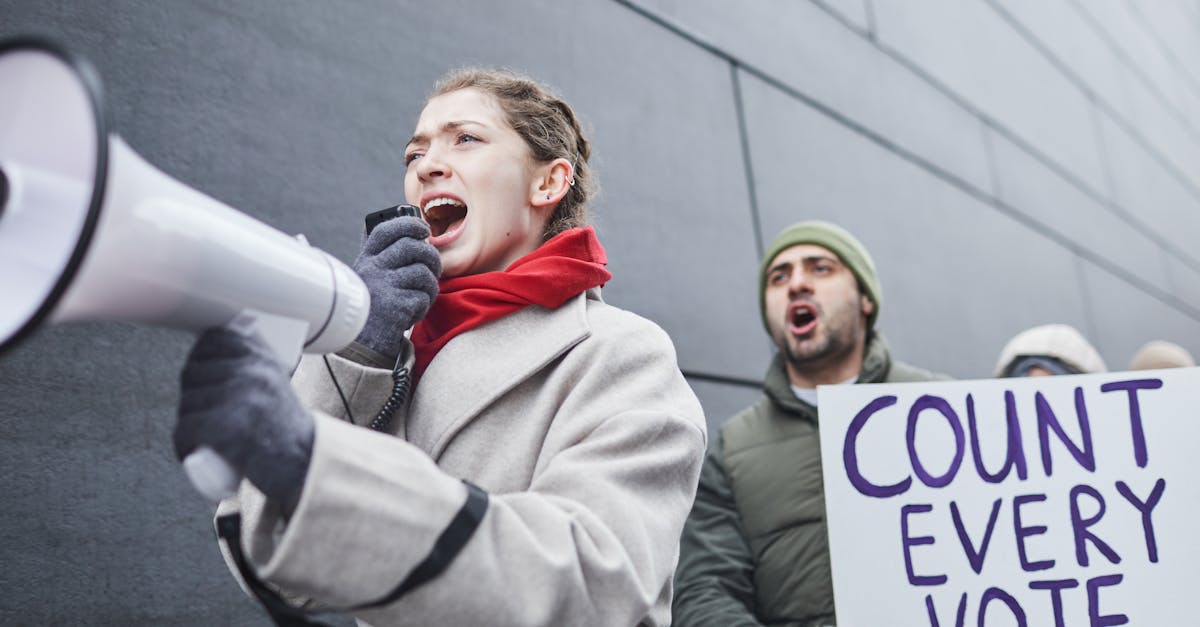
In a series of provocative statements, former US President Donald Trump has reignited debate surrounding the complex and volatile relationship between the United States and Iran. Trump, known for his aggressive foreign policy rhetoric, explicitly threatened to target Iran's critical infrastructure, including its power plants and bridges, should hostilities escalate. These remarks have drawn sharp criticism and raised concerns among international observers about the potential for widespread conflict and humanitarian consequences.
Trump's Controversial View on Iranian Resilience
Adding another layer of controversy to his declarations, Trump asserted his belief that the Iranian populace "would be willing to suffer that in order to have freedom." This particular statement has sparked significant discussion regarding the ethics of military intervention and the perception of a nation's willingness to endure extreme hardship for political change. Critics argue that such a perspective oversimplifies the complex realities of war and the immense toll it takes on civilian populations, potentially misrepresenting the desires and resilience of the Iranian people.
The implications of targeting civilian infrastructure, even indirectly, are far-reaching. International law, particularly the Geneva Conventions, outlines protections for civilian populations and objects during armed conflict. Threats to deliberately destroy power grids and transportation networks could be interpreted as a violation of these principles, leading to severe disruptions in daily life, healthcare, and humanitarian aid for millions.
Geopolitical Tensions and the Search for Resolution
The history of US-Iran relations is fraught with periods of tension, sanctions, and proxy conflicts. Trump's administration previously withdrew from the Joint Comprehensive Plan of Action (JCPOA), commonly known as the Iran nuclear deal, and implemented a "maximum pressure" campaign, which significantly ratcheted up economic sanctions against Tehran. These actions have contributed to an already strained relationship, with both sides frequently engaging in rhetorical exchanges and military posturing.
While advocates for a tougher stance on Iran often point to the regime's regional activities and nuclear ambitions, the prospect of direct military confrontation and the deliberate targeting of civilian assets raises serious questions about de-escalation strategies and the long-term stability of the Middle East. The international community largely emphasizes diplomatic solutions and dialogue to address these complex issues, rather than threats of military force that could lead to unforeseen humanitarian disasters.
Trump's recent comments underscore the persistent challenges in navigating the US-Iran dynamic. They serve as a stark reminder of the potential for escalation and the profound human cost of conflict, prompting renewed calls for caution and a focus on peaceful resolutions from global leaders and humanitarian organizations alike.
पूर्व अमेरिकी राष्ट्रपति डोनाल्ड ट्रंप के भड़काऊ बयानों की एक श्रृंखला ने संयुक्त राज्य अमेरिका और ईरान के बीच जटिल और अस्थिर संबंधों को लेकर फिर से बहस छेड़ दी है। ट्रंप, जो अपनी आक्रामक विदेश नीति के बयानबाजी के लिए जाने जाते हैं, ने स्पष्ट रूप से ईरान के महत्वपूर्ण बुनियादी ढांचे, जिसमें उसके बिजली संयंत्र और पुल शामिल हैं, को निशाना बनाने की धमकी दी है, यदि शत्रुता बढ़ती है। इन टिप्पणियों ने कड़ी आलोचना को जन्म दिया है और अंतरराष्ट्रीय पर्यवेक्षकों के बीच व्यापक संघर्ष और मानवीय परिणामों की संभावना के बारे में चिंताएं बढ़ा दी हैं।
ट्रंप का ईरानी लचीलेपन पर विवादास्पद दृष्टिकोण
अपनी घोषणाओं में विवाद की एक और परत जोड़ते हुए, ट्रंप ने अपने विश्वास पर जोर दिया कि ईरानी आबादी "स्वतंत्रता पाने के लिए यह सब सहने को तैयार होगी।" इस विशेष बयान ने सैन्य हस्तक्षेप की नैतिकता और राजनीतिक परिवर्तन के लिए अत्यधिक कठिनाई सहन करने की राष्ट्र की इच्छा की धारणा के बारे में महत्वपूर्ण चर्चा को जन्म दिया है। आलोचकों का तर्क है कि ऐसा परिप्रेक्ष्य युद्ध की जटिल वास्तविकताओं और नागरिक आबादी पर इसके भारी टोल को बहुत सरल करता है, जिससे ईरानी लोगों की इच्छाओं और लचीलेपन को संभावित रूप से गलत समझा जा सकता है।
नागरिक बुनियादी ढांचे को निशाना बनाने के निहितार्थ, भले ही अप्रत्यक्ष रूप से, दूरगामी हैं। अंतरराष्ट्रीय कानून, विशेष रूप से जिनेवा कन्वेंशन, सशस्त्र संघर्ष के दौरान नागरिक आबादी और वस्तुओं के लिए सुरक्षा की रूपरेखा तैयार करता है। बिजली ग्रिड और परिवहन नेटवर्क को जानबूझकर नष्ट करने की धमकियों को इन सिद्धांतों का उल्लंघन माना जा सकता है, जिससे लाखों लोगों के लिए दैनिक जीवन, स्वास्थ्य सेवा और मानवीय सहायता में गंभीर बाधाएँ आ सकती हैं।
भू-राजनीतिक तनाव और समाधान की खोज
अमेरिका-ईरान संबंधों का इतिहास तनाव, प्रतिबंधों और छद्म संघर्षों के दौर से भरा रहा है। ट्रंप प्रशासन ने पहले संयुक्त व्यापक कार्य योजना (JCPOA), जिसे आमतौर पर ईरान परमाणु समझौते के रूप में जाना जाता है, से वापस ले लिया था, और "अधिकतम दबाव" अभियान लागू किया था, जिसने तेहरान के खिलाफ आर्थिक प्रतिबंधों को काफी बढ़ा दिया था। इन कार्रवाइयों ने पहले से ही तनावपूर्ण संबंधों में योगदान दिया है, जिसमें दोनों पक्ष अक्सर बयानबाजी के आदान-प्रदान और सैन्य आसन में संलग्न होते हैं।
जबकि ईरान पर सख्त रुख के समर्थक अक्सर शासन की क्षेत्रीय गतिविधियों और परमाणु महत्वाकांक्षाओं की ओर इशारा करते हैं, प्रत्यक्ष सैन्य टकराव और नागरिक संपत्तियों को जानबूझकर निशाना बनाने की संभावना से डी-एस्केलेशन रणनीतियों और मध्य पूर्व की दीर्घकालिक स्थिरता के बारे में गंभीर सवाल उठते हैं। अंतरराष्ट्रीय समुदाय इन जटिल मुद्दों को संबोधित करने के लिए बड़े पैमाने पर राजनयिक समाधानों और संवाद पर जोर देता है, न कि सैन्य बल की धमकियों पर जो अप्रत्याशित मानवीय आपदाओं को जन्म दे सकती हैं।
ट्रंप की हालिया टिप्पणियां अमेरिका-ईरान गतिशीलता को नेविगेट करने में लगातार चुनौतियों को रेखांकित करती हैं। वे वृद्धि की क्षमता और संघर्ष की गहरी मानवीय लागत की एक स्पष्ट याद दिलाते हैं, जिससे दुनिया भर के नेताओं और मानवीय संगठनों से सावधानी बरतने और शांतिपूर्ण समाधानों पर ध्यान केंद्रित करने के लिए नए सिरे से आह्वान किया जा रहा है।
