Breaking News
ताज़ा खबर
ताजी बातमी
সর্বশেষ সংবাদ
சமீபத்திய செய்தி
తాజా వార్త
તાજા સમાચાર
ਤਾਜ਼ਾ ਖ਼ਬਰ
US Futures Dip, Dollar Gains as Iran Talks Hit Roadblock
ईरान वार्ता में बाधा के बाद अमेरिकी वायदा गिरे, डॉलर मजबूत
इराण वाटाघाटीतील अडथळ्यानंतर अमेरिकन फ्युचर्स घसरले, डॉलर मजबूत
ইরান talks-এ বাধা, মার্কিন ফিউচার্সে পতন, ডলার শক্তিশালী
ஈரான் பேச்சுவார்த்தை முடக்கம்: அமெரிக்க ஃபியூச்சர்ஸ் சரிவு, டாலர் உயர்வு
ఇరాన్ చర్చల నిరాకరణతో అమెరికన్ ఫ్యూచర్స్ పతనం, డాలర్ బలపడింది
ઈરાન વાટાઘાટોમાં અવરોધ બાદ યુએસ ફ્યુચર્સમાં ઘટાડો, ડૉલર મજબૂત
ਇਰਾਨ ਗੱਲਬਾਤ ਵਿੱਚ ਰੁਕਾਵਟ: ਅਮਰੀਕੀ ਫਿਊਚਰਜ਼ ਡਿੱਗੇ, ਡਾਲਰ ਮਜ਼ਬੂਤ
By AI News Desk
🕐 15 May 2026, 12:55 PM
💹 Finance
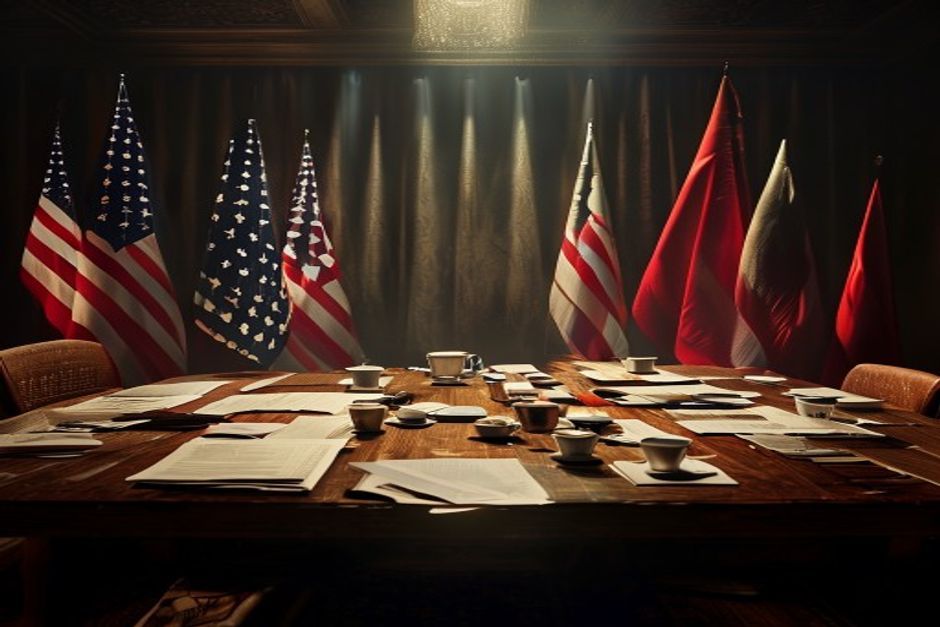
Global financial markets experienced a notable shift in early trading as US equity futures registered a decline, while the US dollar strengthened against a basket of major currencies. This market movement follows President Donald Trump's rejection of Iran’s latest response to a proposal aimed at de-escalating tensions and potentially ending the ongoing conflict. The development has raised concerns about the prolonged closure of the Strait of Hormuz, a critical chokepoint for global oil supply.
Market Reaction to Diplomatic Stalemate
The immediate impact on financial markets was evident. Investors, seeking safer assets, gravitated towards the dollar, pushing its value higher. Simultaneously, futures contracts tied to major US stock indices saw a downward trend, reflecting increased investor caution and a potential aversion to riskier assets. The perceived failure of diplomatic efforts to resolve the Iran standoff introduces a layer of uncertainty that often weighs on equity markets. Analysts suggest that any prolonged disruption to oil shipments from the Strait of Hormuz could lead to upward pressure on oil prices, potentially impacting inflation and corporate earnings across various sectors.
Geopolitical Tensions and Economic Outlook
The rejection of Iran's response signifies a deepening of the diplomatic impasse. The Strait of Hormuz, through which a significant portion of the world's oil passes, remains a focal point of geopolitical risk. If the Strait's closure persists, it could trigger a supply shock, leading to higher energy costs globally. This, in turn, could dampen economic growth prospects and exacerbate inflationary pressures in economies worldwide. Businesses reliant on stable energy prices and smooth supply chains will be particularly vulnerable. The coming days will be crucial in determining the next steps in this high-stakes diplomatic and economic saga, with markets keenly watching for any signs of renewed negotiation or further escalation.
वैश्विक वित्तीय बाजारों में शुरुआती कारोबार में उल्लेखनीय बदलाव देखा गया, क्योंकि अमेरिकी इक्विटी वायदा में गिरावट दर्ज की गई, जबकि अमेरिकी डॉलर प्रमुख मुद्राओं की तुलना में मजबूत हुआ। यह बाजार की हलचल राष्ट्रपति डोनाल्ड ट्रम्प द्वारा ईरान की नवीनतम प्रतिक्रिया को अस्वीकार करने के बाद हुई, जिसका उद्देश्य तनाव को कम करना और संभावित रूप से चल रहे संघर्ष को समाप्त करना था। इस विकास ने होर्मुज जलडमरूमध्य के लंबे समय तक बंद रहने की चिंताओं को बढ़ा दिया है, जो वैश्विक तेल आपूर्ति के लिए एक महत्वपूर्ण मार्ग है।
राजनयिक गतिरोध पर बाजार की प्रतिक्रिया
वित्तीय बाजारों पर तत्काल प्रभाव स्पष्ट था। सुरक्षित संपत्तियों की तलाश करने वाले निवेशकों ने डॉलर की ओर रुख किया, जिससे इसका मूल्य बढ़ गया। साथ ही, प्रमुख अमेरिकी स्टॉक सूचकांकों से जुड़े वायदा अनुबंधों में गिरावट का रुख देखा गया, जो बढ़ी हुई निवेशक सतर्कता और जोखिम भरी संपत्तियों से संभावित परहेज को दर्शाता है। ईरान गतिरोध को हल करने के लिए राजनयिक प्रयासों की कथित विफलता अनिश्चितता की एक परत पेश करती है जो अक्सर इक्विटी बाजारों पर भारी पड़ती है। विश्लेषकों का सुझाव है कि होर्मुज जलडमरूमध्य से तेल शिपमेंट में किसी भी लंबे समय तक व्यवधान से तेल की कीमतों पर ऊपर की ओर दबाव पड़ सकता है, जो संभावित रूप से विभिन्न क्षेत्रों में मुद्रास्फीति और कॉर्पोरेट आय को प्रभावित कर सकता है।
भू-राजनीतिक तनाव और आर्थिक दृष्टिकोण
ईरान की प्रतिक्रिया को अस्वीकार करना राजनयिक गतिरोध के गहराने का संकेत देता है। होर्मुज जलडमरूमध्य, जिससे दुनिया का एक महत्वपूर्ण हिस्सा तेल गुजरता है, भू-राजनीतिक जोखिम का केंद्र बिंदु बना हुआ है। यदि जलडमरूमध्य का बंद रहना जारी रहता है, तो यह आपूर्ति झटके को ट्रिगर कर सकता है, जिससे विश्व स्तर पर ऊर्जा की लागत बढ़ सकती है। यह, बदले में, आर्थिक विकास की संभावनाओं को धूमिल कर सकता है और दुनिया भर की अर्थव्यवस्थाओं में मुद्रास्फीति के दबाव को बढ़ा सकता है। स्थिर ऊर्जा कीमतों और सुचारू आपूर्ति श्रृंखलाओं पर निर्भर व्यवसाय विशेष रूप से कमजोर होंगे। यह उच्च-दांव वाली राजनयिक और आर्थिक गाथा में अगले कदमों को निर्धारित करने में आने वाले दिन महत्वपूर्ण होंगे, जिसमें बाजार किसी भी नई बातचीत या आगे बढ़ने के संकेतों पर बारीकी से नजर रखेंगे।
जागतिक वित्तीय बाजारात सुरुवातीच्या व्यापारात लक्षणीय बदल दिसून आले, कारण अमेरिकेच्या इक्विटी फ्युचर्समध्ये घट झाली, तर अमेरिकन डॉलर प्रमुख चलनांच्या तुलनेत मजबूत झाला. राष्ट्राध्यक्ष डोनाल्ड ट्रम्प यांनी इराणच्या नवीनतम प्रतिसादाला फेटाळल्यानंतर बाजारात ही हालचाल दिसून आली, ज्याचा उद्देश तणाव कमी करणे आणि संभाव्यतः चालू असलेला संघर्ष संपवणे हा होता. या विकासामुळे होर्मुज सामुद्रधुनी सातत्याने बंद राहण्याच्या शक्यतेबद्दल चिंता वाढली आहे, जी जागतिक तेल पुरवठ्यासाठी एक महत्त्वपूर्ण मार्ग आहे.
राजकीय अडथळ्यावर बाजाराची प्रतिक्रिया
जागतिक वित्तीय बाजारात सुरुवातीच्या व्यापारात लक्षणीय बदल दिसून आले, कारण अमेरिकेच्या इक्विटी फ्युचर्समध्ये घट झाली, तर अमेरिकन डॉलर प्रमुख चलनांच्या तुलनेत मजबूत झाला. राष्ट्राध्यक्ष डोनाल्ड ट्रम्प यांनी इराणच्या नवीनतम प्रतिसादाला फेटाळल्यानंतर बाजारात ही हालचाल दिसून आली, ज्याचा उद्देश तणाव कमी करणे आणि संभाव्यतः चालू असलेला संघर्ष संपवणे हा होता. या विकासामुळे होर्मुज सामुद्रधुनी सातत्याने बंद राहण्याच्या शक्यतेबद्दल चिंता वाढली आहे, जी जागतिक तेल पुरवठ्यासाठी एक महत्त्वपूर्ण मार्ग आहे. सुरक्षित मालमत्तेच्या शोधात असलेल्या गुंतवणूकदारांनी डॉलरकडे आपला मोर्चा वळवला, ज्यामुळे त्याचे मूल्य वाढले. त्याच वेळी, प्रमुख अमेरिकन शेअर बाजारांशी संबंधित फ्युचर्स करारांमध्ये घसरण दिसून आली, जी वाढलेली गुंतवणूकदारांची सावधगिरी आणि जोखमीच्या मालमत्तेकडे संभाव्यतः टाळाटाळ दर्शवते. इराणच्या मुद्द्यावर तोडगा काढण्यासाठी झालेल्या राजनयिक प्रयत्नांचे अपयश अनिश्चितता निर्माण करते, ज्याचा परिणाम इक्विटी बाजारांवर अनेकदा होतो. विश्लेषकांच्या मते, होर्मुज सामुद्रधुनीतून होणाऱ्या तेल आयातीत कोणत्याही दीर्घकालीन व्यत्ययामुळे तेलाच्या किमतींवर दबाव येऊ शकतो, ज्यामुळे विविध क्षेत्रांतील महागाई आणि कॉर्पोरेट उत्पन्नावर परिणाम होऊ शकतो.
भू-राजकीय तणाव आणि आर्थिक दृष्टिकोन
इराणच्या प्रतिसादाला दिलेला नकार हा राजनैतिक अडथळा अधिकच तीव्र होत असल्याचे दर्शवितो. होर्मुज सामुद्रधुनी, ज्यातून जगातील मोठ्या प्रमाणात तेल निर्यात होते, ती भू-राजकीय जोखमीचे केंद्र बनली आहे. जर ही सामुद्रधुनी बंद राहिली, तर जागतिक स्तरावर ऊर्जेच्या वाढत्या किमतींना सामोरे जावे लागेल. यामुळे आर्थिक विकासावर परिणाम होऊ शकतो आणि जागतिक अर्थव्यवस्थेतील महागाई वाढू शकते. स्थिर ऊर्जा किमती आणि सुरळीत पुरवठा साखळींवर अवलंबून असलेल्या व्यवसायांना विशेषतः फटका बसेल. पुढील काही दिवस या अत्यंत महत्त्वाच्या राजनैतिक आणि आर्थिक घडामोडींमध्ये पुढील पावले कोणती उचलली जातात यावर लक्ष केंद्रित करतील, आणि बाजारपेठा कोणत्याही नवीन वाटाघाटी किंवा तणावाच्या पुढील वाढीकडे बारकाईने लक्ष ठेवून असतील.
বিশ্ব বাজারে প্রাথমিক লেনদেনে মার্কিন ইকুইটি ফিউচার্সে পতন এবং ডলারের শক্তিশালী অবস্থানে যাওয়ার ফলে উল্লেখযোগ্য পরিবর্তন লক্ষ্য করা গেছে। এই বাজার পরিস্থিতি তৈরি হয়েছে মার্কিন প্রেসিডেন্ট ডোনাল্ড ট্রাম্পের ইরান-প্রস্তাবের সর্বশেষ প্রতিক্রিয়া প্রত্যাখ্যান করার পর, যা হরমুজ প্রণালী বন্ধ থাকার সম্ভাবনাকে আরও দীর্ঘায়িত করতে পারে। এই ঘটনা বিশ্বব্যাপী তেল সরবরাহের জন্য একটি গুরুত্বপূর্ণ জলপথের উপর প্রভাব ফেলবে বলে আশঙ্কা করা হচ্ছে।
কূটনৈতিক অচলাবস্থার প্রতি বাজারের প্রতিক্রিয়া
আর্থিক বাজারে এর তাৎক্ষণিক প্রভাব স্পষ্ট। নিরাপদ সম্পদের খোঁজে বিনিয়োগকারীরা ডলারের দিকে ঝুঁকেছেন, যার ফলে এর মূল্য বৃদ্ধি পেয়েছে। একই সময়ে, প্রধান মার্কিন স্টক সূচকগুলির সাথে যুক্ত ফিউচার চুক্তিতে নিম্নমুখী প্রবণতা দেখা গেছে, যা বিনিয়োগকারীদের মধ্যে বর্ধিত সতর্কতা এবং ঝুঁকিপূর্ণ সম্পদে বিনিয়োগ এড়িয়ে চলার মানসিকতা প্রতিফলিত করে। ইরান সংকট সমাধানের কূটনৈতিক প্রচেষ্টার ব্যর্থতা বাজারে অনিশ্চয়তা বাড়িয়েছে, যা প্রায়শই ইকুইটি বাজারকে প্রভাবিত করে। বিশ্লেষকরা মনে করছেন, হরমুজ প্রণালী দিয়ে তেল সরবরাহ ব্যাহত হলে তেলের দাম বাড়তে পারে, যা বিভিন্ন সেক্টরের মুদ্রাস্ফীতি এবং কর্পোরেট আয়ের উপর প্রভাব ফেলতে পারে।
ভূ-রাজনৈতিক উত্তেজনা এবং অর্থনৈতিক পূর্বাভাস
ইরানের প্রতিক্রিয়া প্রত্যাখ্যান করার ঘটনাটি কূটনৈতিক অচলাবস্থার গভীরতা নির্দেশ করে। হরমুজ প্রণালী, যা বিশ্বব্যাপী তেলের একটি বড় অংশের সরবরাহ পথ, ভূ-রাজনৈতিক ঝুঁকির কেন্দ্রবিন্দুতে রয়েছে। যদি এই প্রণালী বন্ধ থাকে, তবে বিশ্বব্যাপী জ্বালানি খরচ বাড়তে পারে। এটি অর্থনৈতিক প্রবৃদ্ধিকে বাধাগ্রস্ত করতে পারে এবং বিশ্বজুড়ে মুদ্রাস্ফীতির চাপ বাড়াতে পারে। স্থিতিশীল জ্বালানি মূল্য এবং মসৃণ সরবরাহ শৃঙ্খলের উপর নির্ভরশীল ব্যবসাগুলি বিশেষভাবে ক্ষতিগ্রস্ত হবে। সামনের দিনগুলিতে এই উচ্চ-ঝুঁকির কূটনৈতিক এবং অর্থনৈতিক পরিস্থিতির পরবর্তী পদক্ষেপগুলি নির্ধারণে গুরুত্বপূর্ণ হবে, এবং বাজারগুলি যে কোনও নতুন আলোচনা বা উত্তেজনা বৃদ্ধির দিকে সতর্ক দৃষ্টি রাখবে।
உலகளாவிய நிதிச் சந்தைகள் ஆரம்ப வர்த்தகத்தில் குறிப்பிடத்தக்க மாற்றங்களைக் கண்டன. அமெரிக்க ஈக்விட்டி ஃபியூச்சர்கள் சரிந்தன, அதே நேரத்தில் அமெரிக்க டாலர் முக்கிய நாணயங்களுக்கு எதிராக வலுப்பெற்றது. இந்த சந்தை நகர்வு, போரை முடிவுக்குக் கொண்டுவருவதற்கான அதன் சமீபத்திய முன்மொழிவுக்கு ஈரானின் பதிலை அதிபர் டொனால்ட் டிரம்ப் நிராகரித்ததைத் தொடர்ந்து நிகழ்ந்தது. இந்த நிராகரிப்பு, ஹார்முஸ் ஜலசந்தியின் மூடலை நீட்டிக்கக்கூடும் என்று எதிர்பார்க்கப்படுகிறது, இது உலகளாவிய எண்ணெய் விநியோகத்திற்கு ஒரு முக்கிய வழியாகும்.
இராஜதந்திர முட்டுக்கட்டைக்கான சந்தையின் எதிர்வினை
நிதிச் சந்தைகளில் உடனடி தாக்கம் தெளிவாகத் தெரிந்தது. முதலீட்டாளர்கள் பாதுகாப்பான சொத்துக்களை நாடி, டாலரை நோக்கி ஈர்க்கப்பட்டனர், இதனால் அதன் மதிப்பு உயர்ந்தது. அதே நேரத்தில், முக்கிய அமெரிக்க பங்கு குறியீடுகளுடன் தொடர்புடைய ஃபியூச்சர் ஒப்பந்தங்கள் சரிவைக் கண்டன. இது முதலீட்டாளர்களின் எச்சரிக்கையைக் கூட்டியுள்ளதையும், அதிக ஆபத்துள்ள சொத்துக்களைத் தவிர்ப்பதற்கான மனநிலையையும் பிரதிபலிக்கிறது. ஈரானின் நெருக்கடியைத் தீர்ப்பதற்கான இராஜதந்திர முயற்சிகள் தோல்வியடைந்ததாகக் கருதப்படுவது, சந்தைகளில் நிச்சயமற்ற தன்மையை அதிகரிக்கிறது, இது ஈக்விட்டி சந்தைகளை பாதிக்கிறது. ஹார்முஸ் ஜலசந்தி வழியாக எண்ணெய் விநியோகத்தில் நீண்டகால இடையூறு ஏற்பட்டால், அது எண்ணெய் விலைகளில் மேல்நோக்கிய அழுத்தத்தை ஏற்படுத்தும் என்றும், இது பல்வேறு துறைகளில் பணவீக்கம் மற்றும் கார்ப்பரேட் வருவாயைப் பாதிக்கக்கூடும் என்றும் ஆய்வாளர்கள் கருதுகின்றனர்.
புவிசார் அரசியல் பதட்டங்கள் மற்றும் பொருளாதாரக் கண்ணோட்டம்
ஈரானின் பதிலை நிராகரிப்பது இராஜதந்திர முட்டுக்கட்டையின் ஆழத்தைக் குறிக்கிறது. ஹார்முஸ் ஜலசந்தி, உலகின் கணிசமான அளவு எண்ணெய் செல்லும் வழித்தடம், புவிசார் அரசியல் அபாயத்தின் மையமாக உள்ளது. இந்த ஜலசந்தி தொடர்ந்து மூடப்பட்டிருந்தால், அது உலகளவில் எரிசக்தி செலவுகளை அதிகரிக்கக்கூடும். இது, பொருளாதார வளர்ச்சிக்கான வாய்ப்புகளை மந்தப்படுத்தி, உலகெங்கிலும் உள்ள பொருளாதாரங்களில் பணவீக்க அழுத்தத்தை அதிகரிக்கக்கூடும். நிலையான எரிசக்தி விலைகள் மற்றும் சீரான விநியோகச் சங்கிலிகளை நம்பியிருக்கும் வணிகங்கள் குறிப்பாக பாதிக்கப்படக்கூடும். இந்த உயர்-ஆபத்துமிக்க இராஜதந்திர மற்றும் பொருளாதார நாடகத்தில் அடுத்த படிகள் என்னவாக இருக்கும் என்பதைத் தீர்மானிப்பதில் வரும் நாட்கள் முக்கியமானதாக இருக்கும், மேலும் சந்தைகள் எந்தவொரு புதிய பேச்சுவார்த்தை அல்லது மேலதிக பதற்றம் அதிகரிப்பு ஆகியவற்றைக் கூர்ந்து கவனிக்கும்.
ప్రారంభ ట్రేడింగ్లో ప్రపంచ ఆర్థిక మార్కెట్లు ముఖ్యమైన మార్పులకు లోనయ్యాయి. అమెరికన్ ఈక్విటీ ఫ్యూచర్స్ పడిపోయాయి, అదే సమయంలో అమెరికన్ డాలర్ ప్రధాన కరెన్సీలకు వ్యతిరేకంగా బలపడింది. యుద్ధాన్ని ముగించే ప్రతిపాదనకు ఇరాన్ ప్రతిస్పందనను అధ్యక్షుడు డొనాల్డ్ ట్రంప్ తిరస్కరించిన తర్వాత ఈ మార్కెట్ కదలిక జరిగింది. ఈ తిరస్కరణ, ప్రపంచ చమురు సరఫరాకు కీలకమైన హార్ముజ్ జలసంధి మూసివేతను పొడిగించే అవకాశం ఉందని భావిస్తున్నారు.
రాజ దౌత్య ప్రతిష్టంభనకు మార్కెట్ ప్రతిస్పందన
ఆర్థిక మార్కెట్లపై తక్షణ ప్రభావం స్పష్టంగా కనిపించింది. పెట్టుబడిదారులు సురక్షితమైన ఆస్తుల వైపు మొగ్గు చూపడంతో డాలర్ విలువ పెరిగింది. అదే సమయంలో, ప్రధాన US స్టాక్ సూచికలకు సంబంధించిన ఫ్యూచర్స్ కాంట్రాక్టులు పతనాన్ని చవిచూశాయి, ఇది పెట్టుబడిదారుల అప్రమత్తతను మరియు రిస్క్ ఆస్తులను నివారించే ధోరణిని ప్రతిబింబిస్తుంది. ఇరాన్ సంక్షోభాన్ని పరిష్కరించడానికి దౌత్య ప్రయత్నాలు విఫలమైనట్లుగా భావించడం మార్కెట్లలో అనిశ్చితిని పెంచుతుంది, ఇది తరచుగా ఈక్విటీ మార్కెట్లపై ప్రభావం చూపుతుంది. హార్ముజ్ జలసంధి ద్వారా చమురు సరఫరాలో దీర్ఘకాలిక అంతరాయం ఏర్పడితే, అది చమురు ధరలపై ఒత్తిడిని పెంచుతుందని, ఇది వివిధ రంగాలలో ద్రవ్యోల్బణాన్ని మరియు కార్పొరేట్ ఆదాయాలను ప్రభావితం చేయవచ్చని విశ్లేషకులు అభిప్రాయపడుతున్నారు.
భౌగోళిక రాజకీయ ఉద్రిక్తతలు మరియు ఆర్థిక దృక్పథం
ఇరాన్ ప్రతిస్పందనను తిరస్కరించడం దౌత్యపరమైన ప్రతిష్టంభన తీవ్రతను సూచిస్తుంది. ప్రపంచంలో గణనీయమైన చమురు రవాణా అయ్యే హార్ముజ్ జలసంధి, భౌగోళిక రాజకీయ ప్రమాదానికి కేంద్రంగా ఉంది. ఈ జలసంధి మూసివేయబడితే, అది ప్రపంచవ్యాప్తంగా ఇంధన ఖర్చులను పెంచుతుంది. ఇది ఆర్థిక వృద్ధి అవకాశాలను తగ్గించి, ప్రపంచవ్యాప్తంగా ద్రవ్యోల్బణ ఒత్తిళ్లను తీవ్రతరం చేయవచ్చు. స్థిరమైన ఇంధన ధరలు మరియు సజావుగా జరిగే సరఫరా గొలుసులపై ఆధారపడే వ్యాపారాలు ప్రత్యేకంగా ప్రభావితమవుతాయి. ఈ అధిక-ప్రమాదకరమైన దౌత్య మరియు ఆర్థిక నాటకంలో తదుపరి చర్యలను నిర్ణయించడంలో రాబోయే రోజులు కీలకంగా ఉంటాయి, మార్కెట్లు ఏదైనా కొత్త చర్చలు లేదా తదుపరి ఉద్రిక్తతలను నిశితంగా గమనిస్తాయి.
વૈશ્વિક નાણાકીય બજારોમાં પ્રારંભિક વેપારમાં નોંધપાત્ર ફેરફારો જોવા મળ્યા, કારણ કે યુએસ ઇક્વિટી ફ્યુચર્સમાં ઘટાડો થયો, જ્યારે યુએસ ડૉલર મુખ્ય ચલણો સામે મજબૂત બન્યો. આ બજારની ચાલ રાષ્ટ્રપતિ ડોનાલ્ડ ટ્રમ્પે યુદ્ધને સમાપ્ત કરવાના તેમના નવીનતમ પ્રસ્તાવના ઈરાનના પ્રતિભાવને નકારી કાઢ્યા બાદ આવી છે. આ વિકાસે હોર્મુઝ સ્ટ્રેટના લાંબા સમય સુધી બંધ રહેવાની શક્યતાઓ વધારી દીધી છે, જે વૈશ્વિક તેલ પુરવઠા માટે એક નિર્ણાયક માર્ગ છે.
રાજદ્વારી ગતિરોધ પર બજારની પ્રતિક્રિયા
નાણાકીય બજારો પર તાત્કાલિક અસર સ્પષ્ટ હતી. રોકાણકારોએ સુરક્ષિત અસ્કયક્ષિત સંપત્તિઓ તરફ વળ્યા, જેના કારણે ડૉલરનું મૂલ્ય વધ્યું. તે જ સમયે, મુખ્ય યુએસ સ્ટોક ઇન્ડેક્સ સાથે જોડાયેલા ફ્યુચર્સ કરારોમાં ઘટાડો જોવા મળ્યો, જે રોકાણકારોની વધેલી સાવચેતી અને જોખમી સંપત્તિઓથી દૂર રહેવાની વૃત્તિ દર્શાવે છે. ઈરાન સંકટને ઉકેલવાના રાજદ્વારી પ્રયાસોની કથિત નિષ્ફળતા બજારોમાં અનિશ્ચિતતાનો ઉમેરો કરે છે, જે ઘણીવાર ઇક્વિટી બજારો પર દબાણ લાવે છે. વિશ્લેષકો સૂચવે છે કે હોર્મુઝ સ્ટ્રેટમાંથી તેલ પુરવઠામાં કોઈપણ લાંબા ગાળાના વિક્ષેપથી તેલના ભાવમાં વધારો થઈ શકે છે, જે સંભવિતપણે વિવિધ ક્ષેત્રોમાં ફુગાવા અને કોર્પોરેટ આવકને અસર કરી શકે છે.
ભૌગોલિક રાજકીય તણાવ અને આર્થિક દૃષ્ટિકોણ
ઈરાનના પ્રતિભાવને નકારી કાઢવો એ રાજદ્વારી ગતિરોધની ગંભીરતા દર્શાવે છે. હોર્મુઝ સ્ટ્રેટ, જેમાંથી વિશ્વના તેલનો નોંધપાત્ર હિસ્સો પસાર થાય છે, તે ભૌગોલિક રાજકીય જોખમનું કેન્દ્રબિંદુ બની રહ્યું છે. જો આ સ્ટ્રેટ બંધ રહે છે, તો તે વૈશ્વિક સ્તરે ઊર્જા ખર્ચમાં વધારો કરી શકે છે. આના બદલામાં, આર્થિક વૃદ્ધિની સંભાવનાઓને ઘટાડી શકે છે અને વિશ્વભરના અર્થતંત્રોમાં ફુગાવાના દબાણને વધારી શકે છે. સ્થિર ઊર્જા ભાવો અને સરળ પુરવઠા શૃંખલાઓ પર નિર્ભર વ્યવસાયો ખાસ કરીને નબળા પડશે. આ ઉચ્ચ-જોખમી રાજદ્વારી અને આર્થિક ગાથામાં આગામી પગલાં નક્કી કરવામાં આવનારા દિવસો નિર્ણાયક રહેશે, જ્યારે બજારો કોઈપણ નવી વાટાઘાટો અથવા વધુ તણાવ વધારા પર નજીકથી નજર રાખશે.
ਵਿਸ਼ਵ ਵਿੱਤੀ ਬਾਜ਼ਾਰਾਂ ਵਿੱਚ ਸ਼ੁਰੂਆਤੀ ਕਾਰੋਬਾਰ ਦੌਰਾਨ ਕਾਫ਼ੀ ਬਦਲਾਅ ਦੇਖਣ ਨੂੰ ਮਿਲਿਆ, ਕਿਉਂਕਿ ਅਮਰੀਕੀ ਇਕੁਇਟੀ ਫਿਊਚਰਜ਼ ਵਿੱਚ ਗਿਰਾਵਟ ਆਈ, ਜਦੋਂ ਕਿ ਅਮਰੀਕੀ ਡਾਲਰ ਮੁੱਖ ਮੁਦਰਾਵਾਂ ਦੇ ਮੁਕਾਬਲੇ ਮਜ਼ਬੂਤ ਹੋਇਆ। ਇਹ ਬਾਜ਼ਾਰ ਦੀ ਹਲਚਲ ਰਾਸ਼ਟਰਪਤੀ ਡੋਨਾਲਡ ਟਰੰਪ ਦੁਆਰਾ ਇਰਾਨ ਦੇ ਜਵਾਬ ਨੂੰ ਰੱਦ ਕਰਨ ਤੋਂ ਬਾਅਦ ਹੋਈ ਹੈ, ਜਿਸ ਨਾਲ ਹੋਰਮੁਜ਼ ਸਟ੍ਰੇਟ ਦੇ ਬੰਦ ਰਹਿਣ ਦੀ ਸੰਭਾਵਨਾ ਵੱਧ ਗਈ ਹੈ, ਜੋ ਕਿ ਵਿਸ਼ਵ ਤੇਲ ਸਪਲਾਈ ਲਈ ਇੱਕ ਮਹੱਤਵਪੂਰਨ ਮਾਰਗ ਹੈ।
ਰਾਜਨੀਤਿਕ ਰੁਕਾਵਟ 'ਤੇ ਬਾਜ਼ਾਰ ਦੀ ਪ੍ਰਤੀਕਿਰਿਆ
ਵਿੱਤੀ ਬਾਜ਼ਾਰਾਂ 'ਤੇ ਤੁਰੰਤ ਅਸਰ ਸਪੱਸ਼ਟ ਸੀ। ਨਿਵੇਸ਼ਕ ਸੁਰੱਖਿਅਤ ਸੰਪਤੀਆਂ ਵੱਲ ਮੁੜੇ, ਜਿਸ ਨਾਲ ਡਾਲਰ ਦਾ ਮੁੱਲ ਵਧਿਆ। ਇਸ ਦੇ ਨਾਲ ਹੀ, ਪ੍ਰਮੁੱਖ ਅਮਰੀਕੀ ਸਟਾਕ ਸੂਚਕਾਂਕ ਨਾਲ ਜੁੜੇ ਫਿਊਚਰਜ਼ ਕੰਟਰੈਕਟਾਂ ਵਿੱਚ ਗਿਰਾਵਟ ਦੇਖੀ ਗਈ, ਜੋ ਕਿ ਨਿਵੇਸ਼ਕਾਂ ਦੀ ਵਧਦੀ ਸਾਵਧਾਨੀ ਅਤੇ ਜੋਖਮ ਭਰੀਆਂ ਸੰਪਤੀਆਂ ਤੋਂ ਦੂਰ ਰਹਿਣ ਦੀ ਪ੍ਰਵਿਰਤੀ ਨੂੰ ਦਰਸਾਉਂਦਾ ਹੈ। ਇਰਾਨ ਦੇ ਸੰਕਟ ਨੂੰ ਹੱਲ ਕਰਨ ਲਈ ਹੋਏ ਰਾਜਨੀਤਿਕ ਯਤਨਾਂ ਦੀ ਅਸਫਲਤਾ ਬਾਜ਼ਾਰ ਵਿੱਚ ਅਨਿਸ਼ਚਿਤਤਾ ਦਾ ਵਾਧਾ ਕਰਦੀ ਹੈ, ਜੋ ਅਕਸਰ ਇਕੁਇਟੀ ਬਾਜ਼ਾਰਾਂ 'ਤੇ ਭਾਰ ਪਾਉਂਦੀ ਹੈ। ਵਿਸ਼ਲੇਸ਼ਕ ਸੁਝਾਅ ਦਿੰਦੇ ਹਨ ਕਿ ਹੋਰਮੁਜ਼ ਸਟ੍ਰੇਟ ਰਾਹੀਂ ਤੇਲ ਸਪਲਾਈ ਵਿੱਚ ਕਿਸੇ ਵੀ ਲੰਬੇ ਸਮੇਂ ਦੀ ਰੁਕਾਵਟ ਕਾਰਨ ਤੇਲ ਦੀਆਂ ਕੀਮਤਾਂ ਵਿੱਚ ਵਾਧਾ ਹੋ ਸਕਦਾ ਹੈ, ਜੋ ਸੰਭਾਵੀ ਤੌਰ 'ਤੇ ਵੱਖ-ਵੱਖ ਖੇਤਰਾਂ ਵਿੱਚ ਮਹਿੰਗਾਈ ਅਤੇ ਕਾਰਪੋਰੇਟ ਆਮਦਨ ਨੂੰ ਪ੍ਰਭਾਵਤ ਕਰ ਸਕਦਾ ਹੈ।
ਭੂ-ਰਾਜਨੀਤਿਕ ਤਣਾਅ ਅਤੇ ਆਰਥਿਕ ਦ੍ਰਿਸ਼ਟੀਕੋਣ
ਇਰਾਨ ਦੇ ਜਵਾਬ ਨੂੰ ਰੱਦ ਕਰਨਾ ਰਾਜਨੀਤਿਕ ਰੁਕਾਵਟ ਦੀ ਗੰਭੀਰਤਾ ਨੂੰ ਦਰਸਾਉਂਦਾ ਹੈ। ਹੋਰਮੁਜ਼ ਸਟ੍ਰੇਟ, ਜਿਸ ਰਾਹੀਂ ਦੁਨੀਆ ਦਾ ਕਾਫ਼ੀ ਹਿੱਸਾ ਤੇਲ ਨਿਕਲਦਾ ਹੈ, ਭੂ-ਰਾਜਨੀਤਿਕ ਜੋਖਮ ਦਾ ਕੇਂਦਰ ਬਿੰਦੂ ਬਣਿਆ ਹੋਇਆ ਹੈ। ਜੇਕਰ ਇਹ ਸਟ੍ਰੇਟ ਬੰਦ ਰਹਿੰਦਾ ਹੈ, ਤਾਂ ਇਸ ਨਾਲ ਵਿਸ਼ਵ ਪੱਧਰ 'ਤੇ ਊਰਜਾ ਦੀਆਂ ਲਾਗਤਾਂ ਵੱਧ ਸਕਦੀਆਂ ਹਨ। ਇਹ, ਬਦਲੇ ਵਿੱਚ, ਆਰਥਿਕ ਵਿਕਾਸ ਦੀਆਂ ਸੰਭਾਵਨਾਵਾਂ ਨੂੰ ਘਟਾ ਸਕਦਾ ਹੈ ਅਤੇ ਦੁਨੀਆ ਭਰ ਦੀਆਂ ਆਰਥਿਕਤਾਵਾਂ ਵਿੱਚ ਮਹਿੰਗਾਈ ਦੇ ਦਬਾਅ ਨੂੰ ਵਧਾ ਸਕਦਾ ਹੈ। ਸਥਿਰ ਊਰਜਾ ਕੀਮਤਾਂ ਅਤੇ ਸੁਚਾਰੂ ਸਪਲਾਈ ਚੇਨ 'ਤੇ ਨਿਰਭਰ ਕਾਰੋਬਾਰ ਵਿਸ਼ੇਸ਼ ਤੌਰ 'ਤੇ ਕਮਜ਼ੋਰ ਹੋਣਗੇ। ਆਉਣ ਵਾਲੇ ਦਿਨ ਇਹ ਉੱਚ-ਜੋਖਮ ਵਾਲੀ ਰਾਜਨੀਤਿਕ ਅਤੇ ਆਰਥਿਕ ਘਟਨਾਵਾਂ ਵਿੱਚ ਅਗਲੇ ਕਦਮਾਂ ਨੂੰ ਨਿਰਧਾਰਤ ਕਰਨ ਵਿੱਚ ਮਹੱਤਵਪੂਰਨ ਹੋਣਗੇ, ਜਦੋਂ ਕਿ ਬਾਜ਼ਾਰ ਕਿਸੇ ਵੀ ਨਵੀਂ ਗੱਲਬਾਤ ਜਾਂ ਅੱਗੇ ਤਣਾਅ ਵਧਣ ਦੀ ਨਿਗਰਾਨੀ ਕਰਨਗੇ।

💬 Comments