Breaking News
ताज़ा खबर
ताजी बातमी
সর্বশেষ সংবাদ
சமீபத்திய செய்தி
తాజా వార్త
તાજા સમાચાર
ਤਾਜ਼ਾ ਖ਼ਬਰ
Winston Churchill: The Statesman Who Painted for Peace
विंस्टन चर्चिल: वो राजनेता जिन्होंने शांति के लिए पेंटिंग की
विन्स्टन चर्चिल: राजकारणी ज्याने शांततेसाठी चित्रकला केली
উইনস্টন চার্চিল: রাষ্ট্রনায়ক যিনি শান্তির জন্য এঁকেছিলেন
வின்ஸ்டன் சர்ச்சில்: அமைதிக்காக ஓவியம் தீட்டிய தேசத் தலைவர்
విన్స్టన్ చర్చిల్: శాంతి కోసం చిత్రించిన నాయకుడు
વિન્સ્ટન ચર્ચિલ: શાંતિ માટે ચિત્રકામ કરનાર રાજનેતા
ਵਿੰਸਟਨ ਚਰਚਿਲ: ਰਾਜਨੇਤਾ ਜਿਸਨੇ ਸ਼ਾਂਤੀ ਲਈ ਚਿੱਤਰਕਾਰੀ ਕੀਤੀ
By AI News Desk
🕐 22 May 2026, 01:34 PM
🌍 World
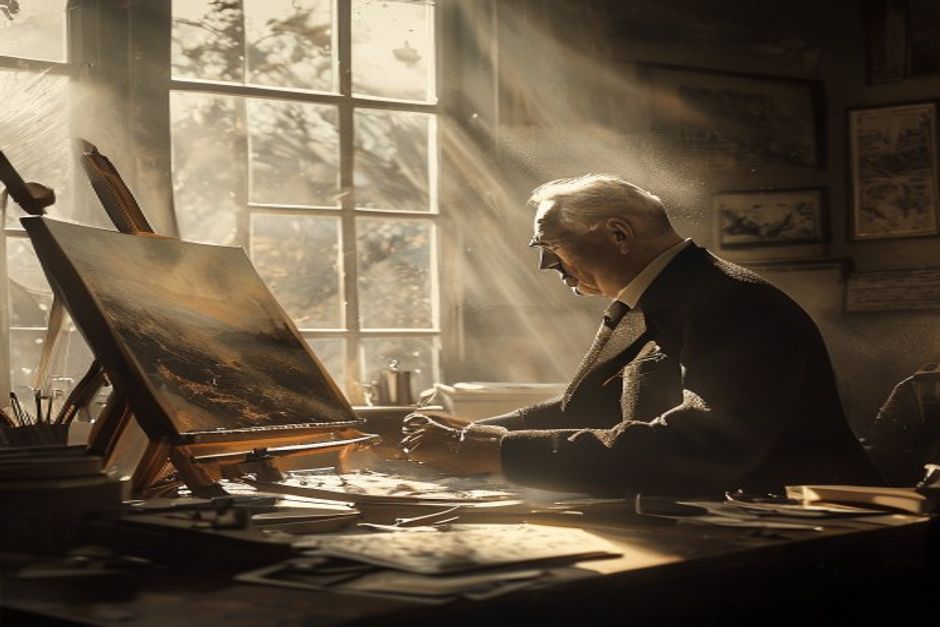
Beyond the indelible mark he left on history as a wartime leader, Winston Churchill harboured a lesser-known passion: painting. The Wallace Collection in London is now showcasing these amateur yet joy-infused works, intended as a balm for the stresses of office, particularly during the tumultuous years of World War II.
A Painter's Purpose
Churchill himself described his paintings as mere "daubs," the humble output of a Sunday painter focused on personal stress relief rather than technical mastery. His belief that "the simplest objects have their beauty" resonated in his encouragement for others to pick up a brush without the pursuit of fame. He exhibited his pieces modestly and anonymously in minor salons during the 1920s.
While a charitable squint might reveal a hint of an impressionist-leaning colourist, the true value of Churchill's art lies not in its place within the historical art canon, but in its provenance and its function as a historical document. These canvases capture moments and places significant to his life: serene country estates, bottles of his favourite spirits, the grandeur of Blenheim Palace, and the sun-drenched French Riviera. They also offer glimpses into his global travels, such as a view of Jerusalem in 1921, shortly after he chaired the Cairo Conference.
Curators Xavier Bray and Lucy Davis navigate these works with a delicate touch, largely avoiding overt political interpretations. Yet, subtle symbolic links are hard to ignore. A cannon pointing seaward in 'The Beach at Walmer' (c. 1938), a family favourite, is noted alongside Churchill's contemporaneous warnings against Nazi Germany, adding a layer of historical poignancy to the visual narrative. These "daubs" offer a unique window into the soul of a man who painted not for acclaim, but for solace and remembrance.
द्वितीय विश्व युद्ध के दौरान एक युद्धकालीन नेता के रूप में इतिहास पर अपनी अमिट छाप छोड़ने के अलावा, विंस्टन चर्चिल का एक अल्पज्ञात जुनून था: पेंटिंग। लंदन के वैलेस कलेक्शन में अब उनकी इन शौकिया, फिर भी आनंद-दायक कृतियों को प्रदर्शित किया जा रहा है, जिन्हें विशेष रूप से द्वितीय विश्व युद्ध के उथल-पुथल भरे वर्षों के दौरान, कार्यालय के तनावों को कम करने के उद्देश्य से बनाया गया था।
एक चित्रकार का उद्देश्य
चर्चिल स्वयं अपनी पेंटिंग्स को केवल "धब्बे" कहते थे, जो एक रविवार के चित्रकार का विनम्र उत्पादन था, जिसका ध्यान तकनीकी महारत के बजाय व्यक्तिगत तनाव से राहत पर केंद्रित था। उनका यह विश्वास कि "सरलतम वस्तुओं में भी उनकी सुंदरता होती है", प्रसिद्धि की चाहत के बिना दूसरों को ब्रश उठाने के लिए प्रोत्साहित करने में झलकता है। उन्होंने 1920 के दशक में छोटे सैलूनों में अपनी कृतियों का मामूली रूप से और गुमनाम रूप से प्रदर्शन किया।
जहां एक उदारतापूर्वक देखने पर शायद एक प्रभाववादी-झुकाव वाले रंगकर्मी का संकेत मिल सकता है, चर्चिल की कला का सच्चा मूल्य ऐतिहासिक कला के कैनन में इसके स्थान में नहीं है, बल्कि इसके मूल और एक ऐतिहासिक दस्तावेज़ के रूप में इसके कार्य में निहित है। ये कैनवस उनके जीवन के महत्वपूर्ण क्षणों और स्थानों को दर्शाते हैं: शांत ग्रामीण एस्टेट, उनकी पसंदीदा शराब की बोतलें, ब्लेंहम पैलेस की भव्यता, और धूप से सराबोर फ्रेंच रिवेरा। वे उनके वैश्विक यात्राओं की झलकियाँ भी प्रदान करते हैं, जैसे कि 1921 में यरूशलेम का एक दृश्य, जब उन्होंने काहिरा सम्मेलन की अध्यक्षता की थी।
क्यूरेटर जेवियर ब्रे और लुसी डेविस इन कृतियों को बड़ी चतुराई से प्रस्तुत करते हैं, जो काफी हद तक स्पष्ट राजनीतिक व्याख्याओं से बचते हैं। फिर भी, सूक्ष्म प्रतीकात्मक कड़ियों को नजरअंदाज करना मुश्किल है। 'द बीच एट वाल्मर' (लगभग 1938) में समुद्र की ओर इशारा करती एक तोप, जो चर्चिल परिवार का पसंदीदा स्थान था, का उल्लेख नाजी जर्मनी के खिलाफ उनके समकालीन चेतावनियों के साथ किया गया है, जो दृश्य कथा में ऐतिहासिक मार्मिकता की एक परत जोड़ता है। ये "धब्बे" एक ऐसे व्यक्ति की आत्मा में एक अनूठी खिड़की प्रदान करते हैं जिसने प्रशंसा के लिए नहीं, बल्कि सांत्वना और स्मृति के लिए पेंटिंग की।
युद्धकाळातील नेते म्हणून इतिहासावर अमिट छाप सोडण्यापलीकडे, विन्स्टन चर्चिल यांची एक कमी ज्ञात आवड होती: चित्रकला. लंडनमधील वॉलेस कलेक्शनमध्ये आता त्यांची ही हौशी, तरीही आनंद-देणारी कामं प्रदर्शित केली जात आहेत, जी विशेषतः दुसऱ्या महायुद्धाच्या धामधुमीच्या काळात, कार्यालयातील तणाव कमी करण्याच्या उद्देशाने तयार केली गेली होती.
एका चित्रकाराचा उद्देश
चर्चिल स्वतः त्यांच्या चित्रांना केवळ "ढिगारे" म्हणत असत, जे एका रविवारच्या चित्रकाराचे नम्र उत्पादन होते, ज्याचे लक्ष तांत्रिक कौशल्यावर नसून वैयक्तिक तणावमुक्तीवर केंद्रित होते. "साध्या वस्तूंमध्येही सौंदर्य असते" हा त्यांचा विश्वास, प्रसिद्धीची लालसा न ठेवता इतरांनाही चित्रकलेसाठी प्रोत्साहित करण्यात दिसून येतो. त्यांनी १९२० च्या दशकात लहान सलूनमध्ये आपली कामं नम्रपणे आणि निनावीपणे प्रदर्शित केली.
जरी बारकाईने पाहिल्यास कदाचित एका प्रभाववादी-कल असलेल्या रंगकर्मीची झलक दिसू शकते, तरीही चर्चिल यांच्या कलेचे खरे मूल्य ऐतिहासिक कला परंपरेतील त्यांच्या स्थानात नाही, तर त्यांच्या उत्पत्तीत आणि ऐतिहासिक दस्तऐवज म्हणून त्यांच्या कार्यामध्ये आहे. हे कॅनव्हास त्यांच्या जीवनातील महत्त्वपूर्ण क्षण आणि स्थळे दर्शवतात: शांत ग्रामीण इस्टेट्स, त्यांच्या आवडत्या मद्याच्या बाटल्या, ब्लेंहॅम पॅलेसची भव्यता आणि सूर्यप्रकाशित फ्रेंच रिव्हिएरा. ते त्यांच्या जागतिक प्रवासाची झलकही देतात, जसे की १९२१ मध्ये जेरुसलेमचे दृश्य, जेव्हा त्यांनी कैरो परिषदेचे अध्यक्षपद भूषवले होते.
क्यूरेटर झेवियर ब्रे आणि लुसी डेव्हिस या कामांना मोठ्या चतुराईने सादर करतात, राजकीय अर्थ लावणे टाळतात. तरीही, सूक्ष्म प्रतीकात्मक दुवे दुर्लक्षित करणे कठीण आहे. 'द बीच ॲट वाल्मर' (अंदाजे १९३८) मधील समुद्राकडे निर्देशित करणारा तोफ, जो चर्चिल कुटुंबाचा आवडता ठिकाण होता, त्याचा उल्लेख नाझी जर्मनीविरुद्धच्या त्यांच्या तत्कालीन इशाऱ्यांबरोबरच केला जातो, ज्यामुळे दृश्य कथनात ऐतिहासिक मार्मिकता येते. ही "ढिगारे" अशा व्यक्तीच्या आत्म्याकडे एक अद्वितीय खिडकी उघडतात ज्याने प्रसिद्धीसाठी नव्हे, तर दिलासा आणि स्मरणासाठी चित्रकला केली.
দ্বিতীয় বিশ্বযুদ্ধের একজন নেতা হিসেবে ইতিহাসে অবিস্মরণীয় ছাপ ফেলার পাশাপাশি, উইনস্টন চার্চিলের একটি কম পরিচিত আবেগ ছিল: চিত্রশিল্প। লন্ডনের ওয়ালেস কালেকশনে এখন তার এই শখের অথচ আনন্দময় কাজগুলি প্রদর্শিত হচ্ছে, যা বিশেষত দ্বিতীয় বিশ্বযুদ্ধের উত্তাল সময়ে অফিসের মানসিক চাপ উপশমের উদ্দেশ্যে তৈরি করা হয়েছিল।
একজন চিত্রকরের উদ্দেশ্য
চার্চিল নিজে তার চিত্রকর্মগুলিকে নিছক "দাগ" বলে বর্ণনা করেছেন, যা একজন অপেশাদার শিল্পীর সৃষ্টি, যার মূল উদ্দেশ্য ছিল কারিগরি দক্ষতার চেয়ে ব্যক্তিগতভাবে মানসিক চাপ মুক্তি। "সাধারণ জিনিসগুলিরও নিজস্ব সৌন্দর্য আছে" – এই বিশ্বাসটি চিত্রকলার মাধ্যমে তার উৎসাহে প্রতিফলিত হয়, যেখানে তিনি খ্যাতি বা স্বীকৃতির অন্বেষণ ছাড়াই অন্যদেরও ছবি আঁকতে উৎসাহিত করতেন। তিনি ১৯২০-এর দশকে ছোটখাটো প্রদর্শনীতে বিনয়ের সাথে এবং বেনামে তার কাজগুলি প্রদর্শন করেছিলেন।
খুব খুঁটিয়ে দেখলে হয়তো একজন প্রভাববাদী ঘরানার চিত্রশিল্পীর রঙের ব্যবহারের ইঙ্গিত পাওয়া যেতে পারে, কিন্তু চার্চিলের শিল্পের আসল মূল্য ঐতিহাসিক শিল্পকলার ধারায় এর অবস্থানে নিহিত নয়, বরং এর উৎস এবং একটি ঐতিহাসিক দলিল হিসেবে এর কার্যকারিতায় রয়েছে। এই ক্যানভাসগুলি তার জীবনের গুরুত্বপূর্ণ মুহূর্ত এবং স্থানগুলিকে ধারণ করে: শান্ত দেশীয় প্রাসাদ, তার প্রিয় পানীয়ের বোতল, ব্লেনহেইম প্রাসাদের জাঁকজমক এবং রৌদ্রোজ্জ্বল ফ্রেঞ্চ রিভিয়েরার দৃশ্য। এগুলি তার বিশ্ব ভ্রমণেরও ঝলক দেখায়, যেমন ১৯২১ সালে জেরুজালেমের একটি দৃশ্য, যখন তিনি কায়রো সম্মেলনের সভাপতিত্ব করেছিলেন।
কিউরেটর জেভিয়ার ব্রে এবং লুসি ডেভিস এই কাজগুলিকে অত্যন্ত বিচক্ষণতার সাথে উপস্থাপন করেছেন, রাজনৈতিক ব্যাখ্যা এড়িয়ে গেছেন। তবুও, সূক্ষ্ম প্রতীকী সংযোগগুলিকে উপেক্ষা করা কঠিন। 'দ্য বিচ অ্যাট ওয়ালমার' (আনুমানিক ১৯৩৮) ছবিতে সমুদ্রের দিকে মুখ করা একটি কামান, যা চার্চিল পরিবারের প্রিয় স্নানের স্থান ছিল, সেটিকে নাৎসি জার্মানির বিরুদ্ধে তার সমসাময়িক সতর্কবার্তার সাথে তুলনা করা হয়েছে, যা দৃশ্যমান বর্ণনায় ঐতিহাসিক বিষাদের একটি স্তর যুক্ত করেছে। এই "দাগ" গুলি এমন একজন ব্যক্তির আত্মার এক অনন্য জানালা খুলে দেয়, যিনি খ্যাতি নয়, বরং স্বস্তি এবং স্মৃতির জন্য এঁকেছিলেন।
இரண்டாம் உலகப் போரின் போது ஒரு போர் கால தலைவராக வரலாற்றில் அழிக்க முடியாத தடத்தை பதித்ததோடு மட்டுமல்லாமல், வின்ஸ்டன் சர்ச்சில் ஒரு குறைவான அறியப்பட்ட ஆர்வத்தையும் கொண்டிருந்தார்: ஓவியம் வரைதல். லண்டனில் உள்ள வாலஸ் சேகரிப்பு, அவரது இந்த அமெச்சூர் ஆனாலும் மகிழ்ச்சி நிறைந்த படைப்புகளை தற்போது காட்சிக்கு வைத்துள்ளது. இவை குறிப்பாக இரண்டாம் உலகப் போரின் கொந்தளிப்பான காலங்களில், அலுவலக அழுத்தங்களைக் குறைக்கும் நோக்கில் உருவாக்கப்பட்டவை.
ஒரு ஓவியரின் நோக்கம்
சர்ச்சில் தனது ஓவியங்களை வெறும் "கோடுகள்" என்று விவரித்தார், ஒரு ஞாயிற்றுக்கிழமை ஓவியரின் எளிய படைப்பு, இது தொழில்நுட்பத் திறனை விட தனிப்பட்ட மன அழுத்த நிவாரணத்தில் கவனம் செலுத்தியது. "எளிமையான பொருட்களுக்கும் அழகு உண்டு" என்ற அவரது நம்பிக்கை, புகழை நாடாமல் மற்றவர்களையும் ஓவியம் வரைய ஊக்குவித்ததில் பிரதிபலித்தது. அவர் 1920களில் சிறிய அரங்குகளின் நிகழ்ச்சிகளில் தனது படைப்புகளை அடக்கமாகவும், அநாமதேயமாகவும் காட்சிப்படுத்தினார்.
மிகக் கவனமாகப் பார்த்தால், ஒரு சிறிய இம்ப்ரஷனிஸ்ட் பாணியிலான வர்ணக் கலைஞரின் சாயல் தென்படலாம். ஆனால் சர்ச்சிலின் கலையின் உண்மையான மதிப்பு, வரலாற்று கலைப் பாரம்பரியத்தில் அதன் இடத்தில் இல்லை, மாறாக அதன் தோற்றம் மற்றும் ஒரு வரலாற்று ஆவணமாக அதன் செயல்பாட்டில் உள்ளது. இந்த ஓவியங்கள் அவரது வாழ்க்கையின் முக்கிய தருணங்களையும் இடங்களையும் சித்தரிக்கின்றன: அமைதியான கிராமப்புற எஸ்டேட்கள், அவரது விருப்பமான மதுபானங்கள், பிளென்ஹெய்ம் அரண்மனையின் பிரமாண்டம் மற்றும் சூரிய ஒளி படர்ந்த பிரெஞ்சு ரிவியேரா. அவை அவரது உலகப் பயணங்களின் காட்சிகளையும் காட்டுகின்றன, உதாரணமாக 1921 இல் எருசலேமின் ஒரு காட்சி, அவர் கெய்ரோ மாநாட்டிற்கு தலைமை தாங்கிய சிறிது காலத்திற்குப் பிறகு.
கியூரேட்டர்கள் சேவியர் பிரே மற்றும் லூசி டேவிஸ் இந்த படைப்புகளை மிகுந்த கவனத்துடன் வழங்குகிறார்கள், அரசியல் விளக்கங்களைத் தவிர்க்கிறார்கள். இருப்பினும், நுட்பமான குறியீட்டு இணைப்புகளைப் புறக்கணிப்பது கடினம். 'தி பீச் அட் வால்மர்' (சுமார் 1938) இல் கடலை நோக்கி சுட்டிக்காட்டும் ஒரு பீரங்கி, சர்ச்சில் குடும்பத்தின் விருப்பமான குளியல் தளம், நாஜி ஜெர்மனிக்கு எதிரான அவரது சமகால எச்சரிக்கைகளுடன் இணைத்துப் பார்க்கப்படுகிறது, இது காட்சி விவரிப்பில் ஒரு வரலாற்று சோகத்தின் அடுக்குகளைச் சேர்க்கிறது. இந்த "கோடுகள்" புகழுக்காக அல்ல, ஆறுதலுக்காகவும் நினைவுகளுக்காகவும் ஓவியம் வரைந்த ஒரு மனிதனின் ஆன்மாவிற்கு ஒரு தனித்துவமான சாளரத்தைத் திறக்கின்றன.
ద్వితీయ ప్రపంచ యుద్ధ సమయంలో యుద్ధకాల నాయకుడిగా చరిత్రలో చెరగని ముద్ర వేయడమే కాకుండా, విన్స్టన్ చర్చిల్ ఒక తక్కువగా తెలిసిన అభిరుచిని కలిగి ఉన్నారు: చిత్రలేఖనం. లండన్లోని వాలెస్ కలెక్షన్లో ఇప్పుడు ఆయన వేసిన ఈ ఔత్సాహిక, అయినా ఆనందంతో నిండిన చిత్రాలు ప్రదర్శింపబడుతున్నాయి. ఇవి ముఖ్యంగా రెండవ ప్రపంచ యుద్ధ కాలపు ఒత్తిడిని తగ్గించే ఉద్దేశ్యంతో సృష్టించబడ్డాయి.
ఒక చిత్రకారుడి ఉద్దేశ్యం
చర్చిల్ స్వయంగా తన చిత్రాలను కేవలం "రంగు పూత" అని వర్ణించారు, ఇవి ఒక ఆదివారం చిత్రకారుడి యొక్క నిరాడంబరమైన సృష్టి, సాంకేతిక నైపుణ్యం కంటే వ్యక్తిగత ఒత్తిడి ఉపశమనంపై దృష్టి సారించాయి. "సరళమైన వస్తువులలో కూడా వాటి అందం ఉంటుంది" అనే ఆయన నమ్మకం, కీర్తి లేదా గుర్తింపు కోసం కాకుండా, ఇతరులను కూడా పెయింటింగ్ చేయడానికి ప్రోత్సహించడంలో ప్రతిఫలించింది. ఆయన 1920లలో చిన్న చిన్న సలోన్లలో తన కళాకృతులను నిరాడంబరంగా మరియు అజ్ఞాతంగా ప్రదర్శించారు.
చాలా జాగ్రత్తగా చూస్తే, బహుశా ఒక ఇంప్రెషనిస్ట్-స్వభావం కలిగిన రంగులకారుడి సూచన కనిపించవచ్చు, కానీ చర్చిల్ కళ యొక్క నిజమైన విలువ చారిత్రక కళా సంప్రదాయంలో దాని స్థానంలో లేదు, దాని మూలం మరియు చారిత్రక పత్రంగా దాని కార్యకలాపాలలో ఉంది. ఈ కాన్వాసులు ఆయన జీవితంలోని ముఖ్యమైన క్షణాలను మరియు ప్రదేశాలను బంధిస్తాయి: ప్రశాంతమైన గ్రామీణ భవనాలు, ఆయన ఇష్టమైన పానీయాల సీసాలు, బ్లెన్హైమ్ ప్యాలెస్ యొక్క వైభవం మరియు సూర్యరశ్మితో నిండిన ఫ్రెంచ్ రివేరా. అవి ఆయన ప్రపంచ పర్యటనల సంగ్రహావలోకనాలను కూడా అందిస్తాయి, ఉదాహరణకు 1921లో కైరో సమావేశానికి అధ్యక్షత వహించిన కొద్దికాలానికే యెరూషలేం యొక్క దృశ్యం.
క్యూరేటర్లు జేవియర్ బ్రే మరియు లూసీ డేవిస్ ఈ కళాకృతులను ఎంతో చాకచక్యంగా అందిస్తున్నారు, రాజకీయ వివరణలకు దూరంగా ఉంటారు. అయినప్పటికీ, సూక్ష్మమైన ప్రతీకాత్మక సంబంధాలను విస్మరించడం కష్టం. 'ది బీచ్ ఎట్ వాల్మర్' (సుమారు 1938) చిత్రంలో సముద్రం వైపు చూపిస్తున్న ఫిరంగి, చర్చిల్ కుటుంబానికి ఇష్టమైన స్నానపు ప్రదేశం, నాజీ జర్మనీకి వ్యతిరేకంగా ఆయన చేసిన సమకాలీన హెచ్చరికలతో ముడిపడి ఉంది. ఇది దృశ్యమాన కథనానికి చారిత్రక విషాద స్పర్శను జోడిస్తుంది. ఈ "రంగు పూతలు" కీర్తి కోసం కాకుండా, ఓదార్పు మరియు జ్ఞాపకం కోసం చిత్రించిన ఒక వ్యక్తి ఆత్మలోకి ఒక ప్రత్యేకమైన కిటికీని తెరుస్తాయి.
બીજા વિશ્વયુદ્ધ દરમિયાન યુદ્ધકાલીન નેતા તરીકે ઇતિહાસમાં અમર છાપ છોડવા ઉપરાંત, વિન્સ્ટન ચર્ચિલનો એક ઓછો જાણીતો શોખ હતો: ચિત્રકામ. લંડનની વેલેસ કલેક્શન હવે તેમની આ શોખીયા, છતાં આનંદથી ભરપૂર કૃતિઓ પ્રદર્શિત કરી રહી છે, જે ખાસ કરીને બીજા વિશ્વયુદ્ધના તોફાની વર્ષો દરમિયાન, ઓફિસના તણાવને ઓછો કરવાના ઉદ્દેશ્યથી બનાવવામાં આવી હતી.
એક ચિત્રકારનો ઉદ્દેશ્ય
ચર્ચિલ પોતે તેમની કૃતિઓને માત્ર "ધબ્બા" તરીકે વર્ણવતા હતા, જે એક રવિવારના ચિત્રકારનું સાધારણ સર્જન હતું, જેનો મુખ્ય ઉદ્દેશ્ય તકનીકી નિપુણતા કરતાં વ્યક્તિગત તણાવ રાહત પર કેન્દ્રિત હતો. "સૌથી સરળ વસ્તુઓમાં પણ તેમનું સૌંદર્ય હોય છે" એવો તેમનો વિશ્વાસ, પ્રસિદ્ધિ કે ઓળખની શોધ વિના, અન્યોને પણ ચિત્રકામ કરવા પ્રોત્સાહિત કરવામાં પ્રતિબિંબિત થાય છે. તેમણે 1920ના દાયકામાં નાની ગેલેરીઓમાં તેમની કૃતિઓને નમ્રતાપૂર્વક અને અજ્ઞાતપણે પ્રદર્શિત કરી હતી.
ખૂબ ધ્યાનથી જોતાં કદાચ કોઈ અલ્પ-પ્રભાવવાદી ચિત્રકારના રંગોનો સંકેત મળી શકે છે, પરંતુ ચર્ચિલની કળાનું સાચું મૂલ્ય ઐતિહાસિક કલાના કેનવાસમાં તેના સ્થાનમાં નથી, પરંતુ તેના મૂળ અને ઐતિહાસિક દસ્તાવેજ તરીકે તેના કાર્યમાં રહેલું છે. આ કેનવાસ તેમના જીવનના મહત્વપૂર્ણ ક્ષણો અને સ્થળોને દર્શાવે છે: શાંત ગ્રામીણ મકાનો, તેમની પ્રિય પીણાંની બોટલો, બ્લેનહેમ પેલેસની ભવ્યતા અને સૂર્યપ્રકાશિત ફ્રેન્ચ રિવેરા. તેઓ તેમની વૈશ્વિક યાત્રાઓની ઝલક પણ આપે છે, જેમ કે 1921 માં જેરૂસલેમનું દ્રશ્ય, જ્યારે તેમણે કૈરો કોન્ફરન્સની અધ્યક્ષતા કરી હતી.
ક્યુરેટર જેવિયર બ્રે અને લ્યુસી ડેવિસ આ કૃતિઓને ખૂબ જ સમજદારીપૂર્વક રજૂ કરે છે, રાજકીય અર્થઘટન ટાળી દે છે. તેમ છતાં, સૂક્ષ્મ પ્રતીકાત્મક જોડાણોને અવગણવા મુશ્કેલ છે. 'ધ બીચ એટ વાલ્મર' (સી. 1938) માં સમુદ્ર તરફ નિર્દેશ કરતું એક તોપ, જે ચર્ચિલ પરિવારનું પ્રિય સ્નાન સ્થળ હતું, તેનો ઉલ્લેખ નાઝી જર્મની સામે તેમની તે સમયની ચેતવણીઓ સાથે કરવામાં આવ્યો છે, જે દ્રશ્ય વર્ણનમાં ઐતિહાસિક ગંભીરતાનો એક સ્તર ઉમેરે છે. આ "ધબ્બા" એક એવા વ્યક્તિના આત્મા તરફ એક અનોખી બારી ખોલે છે જેણે પ્રસિદ્ધિ માટે નહીં, પરંતુ શાંતિ અને સ્મૃતિ માટે ચિત્રકામ કર્યું.
ਦੂਜੇ ਵਿਸ਼ਵ ਯੁੱਧ ਦੌਰਾਨ ਇੱਕ ਜੰਗੀ ਨੇਤਾ ਵਜੋਂ ਇਤਿਹਾਸ 'ਤੇ ਅਮਿੱਟ ਛਾਪ ਛੱਡਣ ਤੋਂ ਇਲਾਵਾ, ਵਿੰਸਟਨ ਚਰਚਿਲ ਦੀ ਇੱਕ ਘੱਟ ਜਾਣੀ-ਪਛਾਣੀ ਸ਼ੌਕ ਸੀ: ਚਿੱਤਰਕਾਰੀ। ਲੰਡਨ ਵਿੱਚ ਵਾਲੇਸ ਕਲੈਕਸ਼ਨ ਹੁਣ ਉਨ੍ਹਾਂ ਦੀਆਂ ਇਹਨਾਂ ਸ਼ੁਕੀਆ, ਫਿਰ ਵੀ ਖੁਸ਼ੀ ਭਰਪੂਰ ਰਚਨਾਵਾਂ ਨੂੰ ਪ੍ਰਦਰਸ਼ਿਤ ਕਰ ਰਿਹਾ ਹੈ, ਜੋ ਖਾਸ ਤੌਰ 'ਤੇ ਦੂਜੇ ਵਿਸ਼ਵ ਯੁੱਧ ਦੇ ਉਥਲ-ਪੁਥਲ ਭਰੇ ਸਾਲਾਂ ਦੌਰਾਨ, ਦਫਤਰੀ ਤਣਾਅ ਨੂੰ ਘੱਟ ਕਰਨ ਦੇ ਉਦੇਸ਼ ਨਾਲ ਬਣਾਈਆਂ ਗਈਆਂ ਸਨ।
ਇੱਕ ਚਿੱਤਰਕਾਰ ਦਾ ਉਦੇਸ਼
ਚਰਚਿਲ ਨੇ ਖੁਦ ਆਪਣੀਆਂ ਪੇਂਟਿੰਗਾਂ ਨੂੰ ਸਿਰਫ਼ "ਡਾੱਬ" ਦੱਸਿਆ, ਜੋ ਇੱਕ ਐਤਵਾਰ ਦੇ ਚਿੱਤਰਕਾਰ ਦਾ ਨਿਮਰ ਉਤਪਾਦਨ ਸੀ, ਜਿਸਦਾ ਧਿਆਨ ਤਕਨੀਕੀ ਮੁਹਾਰਤ ਦੀ ਬਜਾਏ ਨਿੱਜੀ ਤਣਾਅ ਤੋਂ ਰਾਹਤ 'ਤੇ ਕੇਂਦਰਿਤ ਸੀ। "ਸਭ ਤੋਂ ਸਰਲ ਵਸਤੂਆਂ ਵਿੱਚ ਵੀ ਉਨ੍ਹਾਂ ਦੀ ਸੁੰਦਰਤਾ ਹੁੰਦੀ ਹੈ" – ਇਹ ਉਨ੍ਹਾਂ ਦਾ ਵਿਸ਼ਵਾਸ, ਪ੍ਰਸਿੱਧੀ ਜਾਂ ਮਾਨਤਾ ਦੀ ਇੱਛਾ ਤੋਂ ਬਿਨਾਂ, ਹੋਰਨਾਂ ਨੂੰ ਵੀ ਪੇਂਟਿੰਗ ਕਰਨ ਲਈ ਉਤਸ਼ਾਹਿਤ ਕਰਨ ਵਿੱਚ ਝਲਕਦਾ ਹੈ। ਉਨ੍ਹਾਂ ਨੇ 1920 ਦੇ ਦਹਾਕੇ ਵਿੱਚ ਛੋਟੇ ਸੈਲੂਨਾਂ ਵਿੱਚ ਆਪਣੀਆਂ ਰਚਨਾਵਾਂ ਨੂੰ ਨਿਮਰਤਾਪੂਰਵਕ ਅਤੇ ਅਗਿਆਤ ਰੂਪ ਵਿੱਚ ਪ੍ਰਦਰਸ਼ਿਤ ਕੀਤਾ।
ਬਹੁਤ ਬਰੀਕੀ ਨਾਲ ਦੇਖਣ 'ਤੇ ਸ਼ਾਇਦ ਇੱਕ ਪ੍ਰਭਾਵਵਾਦੀ-ਝੁਕਾਅ ਵਾਲੇ ਰੰਗ-ਕਰਤਾ ਦਾ ਸੰਕੇਤ ਮਿਲ ਸਕਦਾ ਹੈ, ਪਰ ਚਰਚਿਲ ਦੀ ਕਲਾ ਦਾ ਅਸਲ ਮੁੱਲ ਇਤਿਹਾਸਕ ਕਲਾ ਦੇ ਕੈਨਨ ਵਿੱਚ ਇਸਦੇ ਸਥਾਨ ਵਿੱਚ ਨਹੀਂ ਹੈ, ਬਲਕਿ ਇਸਦੇ ਮੂਲ ਅਤੇ ਇੱਕ ਇਤਿਹਾਸਕ ਦਸਤਾਵੇਜ਼ ਵਜੋਂ ਇਸਦੇ ਕਾਰਜ ਵਿੱਚ ਹੈ। ਇਹ ਕੈਨਵਸ ਉਨ੍ਹਾਂ ਦੇ ਜੀਵਨ ਦੇ ਮਹੱਤਵਪੂਰਨ ਪਲ ਅਤੇ ਸਥਾਨਾਂ ਨੂੰ ਦਰਸਾਉਂਦੇ ਹਨ: ਸ਼ਾਂਤ ਦੇਸ਼ੀ ਮਹਿਲ, ਉਨ੍ਹਾਂ ਦੀ ਮਨਪਸੰਦ ਸ਼ਰਾਬ ਦੀਆਂ ਬੋਤਲਾਂ, ਬਲੇਨਹਾਈਮ ਪੈਲੇਸ ਦੀ ਸ਼ਾਨ, ਅਤੇ ਧੁੱਪ ਵਾਲੀ ਫ੍ਰੈਂਚ ਰਿਵੀਏਰਾ। ਇਹ ਉਨ੍ਹਾਂ ਦੀਆਂ ਵਿਸ਼ਵ ਯਾਤਰਾਵਾਂ ਦੀਆਂ ਝਲਕੀਆਂ ਵੀ ਪ੍ਰਦਾਨ ਕਰਦੇ ਹਨ, ਜਿਵੇਂ ਕਿ 1921 ਵਿੱਚ ਯੇਰੂਸ਼ਲਮ ਦਾ ਇੱਕ ਦ੍ਰਿਸ਼, ਜਦੋਂ ਉਨ੍ਹਾਂ ਨੇ ਕਾਇਰੋ ਕਾਨਫਰੰਸ ਦੀ ਪ੍ਰਧਾਨਗੀ ਕੀਤੀ ਸੀ।
ਕਿਊਰੇਟਰ ਜ਼ੇਵੀਅਰ ਬ੍ਰੇ ਅਤੇ ਲੂਸੀ ਡੇਵਿਸ ਇਨ੍ਹਾਂ ਰਚਨਾਵਾਂ ਨੂੰ ਬਹੁਤ ਸਾਵਧਾਨੀ ਨਾਲ ਪੇਸ਼ ਕਰਦੇ ਹਨ, ਰਾਜਨੀਤਿਕ ਵਿਆਖਿਆਵਾਂ ਤੋਂ ਬਚਦੇ ਹਨ। ਹਾਲਾਂਕਿ, ਸੂਖਮ ਪ੍ਰਤੀਕਾਤਮਕ ਜੋੜਾਂ ਨੂੰ ਨਜ਼ਰਅੰਦਾਜ਼ ਕਰਨਾ ਮੁਸ਼ਕਲ ਹੈ। 'ਦ ਬੀਚ ਐਟ ਵਾਲਮਰ' (ਸੀ. 1938) ਵਿੱਚ ਸਮੁੰਦਰ ਵੱਲ ਇਸ਼ਾਰਾ ਕਰਦੀ ਇੱਕ ਤੋਪ, ਜੋ ਚਰਚਿਲ ਪਰਿਵਾਰ ਦਾ ਮਨਪਸੰਦ ਨਹਾਉਣ ਵਾਲਾ ਸਥਾਨ ਸੀ, ਦਾ ਜ਼ਿਕਰ ਨਾਜ਼ੀ ਜਰਮਨੀ ਵਿਰੁੱਧ ਉਨ੍ਹਾਂ ਦੀਆਂ ਸਮਕਾਲੀ ਚੇਤਾਵਨੀਆਂ ਦੇ ਨਾਲ ਕੀਤਾ ਗਿਆ ਹੈ, ਜੋ ਦ੍ਰਿਸ਼ਮਈ ਬਿਰਤਾਂਤ ਵਿੱਚ ਇਤਿਹਾਸਕ ਉਦਾਸੀ ਦੀ ਇੱਕ ਪਰਤ ਜੋੜਦਾ ਹੈ। ਇਹ "ਡਾੱਬ" ਇੱਕ ਅਜਿਹੇ ਵਿਅਕਤੀ ਦੀ ਆਤਮਾ ਵਿੱਚ ਇੱਕ ਵਿਲੱਖਣ ਖਿੜਕੀ ਖੋਲ੍ਹਦੇ ਹਨ ਜਿਸਨੇ ਪ੍ਰਸਿੱਧੀ ਲਈ ਨਹੀਂ, ਬਲਕਿ ਆਰਾਮ ਅਤੇ ਯਾਦ ਲਈ ਚਿੱਤਰਕਾਰੀ ਕੀਤੀ।

💬 Comments